
Email: hujin@chinahujin.cn
 English
 русский
 عربى
عربى
Author: HUJIN
Date: May 29, 2026
Circular Saw With Band Saw: Two Ways to Cut, One Workshop
A circular saw and a band saw do different jobs. One is portable. One stays in place. One cuts fast and rough. One cuts slow and smooth. A circular saw with band saw is not one tool. It is two tools that every shop needs. Here is why.
What a Circular Saw Does
A circular saw is portable. You take it to the material. Sheet of plywood on the ground. Cut it down. 2x4 on the saw horses. Trim it to length. A circular saw makes rough cuts fast. The blade spins at high speed. Teeth tear through wood. The cut is straight enough for framing.
The saw is light. You carry it with one hand. You set it down. You pick it up. Job site work is where it shines.
What a Band Saw Does
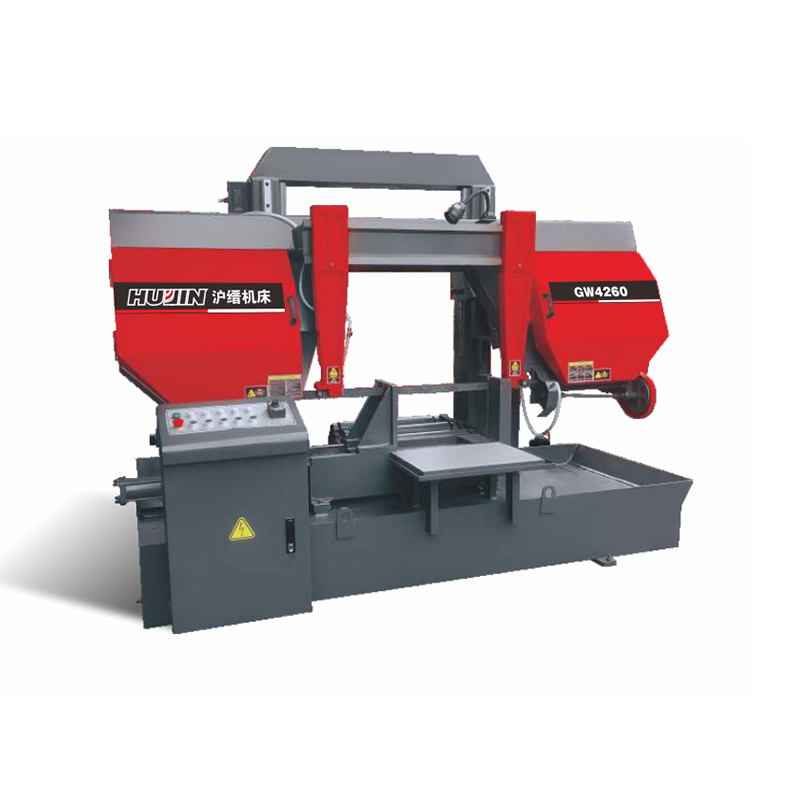
A band saw is stationary. You take the material to the saw. The blade moves in a continuous loop. It cuts through thick wood. It follows curves. A band saw makes smooth cuts. The blade is thin. It removes less material. Less waste.
The saw is heavy. It sits in the shop. You bring the work to it.
Why You Need Both
A circular saw cannot cut curves. It cannot resaw thick boards. It cannot cut intricate shapes. A band saw cannot do rough framing. It is too slow. Too heavy to carry.
A circular saw with band saw gives you both. Rough work on the job site. Fine work in the shop. Each tool does its own job.
Where Each Tool Gets Used
- Circular saw for rough work
- Cutting 2x4s to length
- Breaking down plywood sheets
- Framing walls and roofs
- Decking and siding
- Band saw for precise work
- Cutting curves
- Resawing thick boards into thin ones
- Cutting joinery
- Slicing veneer
What to Look for in a Circular Saw
A 15-amp motor handles most work. More power means you can cut deeper and faster. A circular saw with a 7-1/4 inch blade is standard for framing.
7-1/4 inches is standard. It cuts 2x4s at 45 degrees. Larger blades cut deeper. Smaller blades are lighter.
Corded gives you unlimited run time. Battery gives you freedom. No extension cord. No tripping over cables.
Here is what to check:
- Motor — 15 amp or more
- Blade — 7-1/4 inch standard
- Bevel capacity — 45 degrees minimum
- Weight — under 10 pounds
The wheels determine cutting capacity. A 10-inch wheel cuts 6 inches deep. A 14-inch wheel cuts 8 inches. A band saw with larger wheels handles thicker stock.
1 HP for light work. 1.5 HP for general use. 2 HP for heavy resawing.
Good guides keep the blade from wandering. The blade stays on track. The cut is smooth.
Here is what to check:
- Wheel size — 14 inches for general use
- Motor — 1.5 HP minimum
- Resaw capacity — 6 inches or more
- Table size — large enough for your work
When to Use Each
You are building a deck. You have 50 cuts to make. Each one needs to be close, not perfect. A circular saw is fast. You set the depth. You make the cut. Move on.
You are making furniture. The cut has to be smooth. The curve has to be exact. A band saw follows the line. The cut is clean. Little sanding needed.
A circular saw with band saw is not an either-or choice. You need both. Each does what the other cannot.
Buy a circular saw for job site work. Rough cuts. Framing. Decking. Corded or battery. 7-1/4 inch blade.
Buy a band saw for shop work. Curves. Resawing. Joinery. 14-inch wheels. 1.5 HP motor.
Two different tools. Two different jobs. Both belong in a well-equipped workshop. One for speed. One for precision. Neither replaces the other.

CONTACT
Get in touch
Related Products
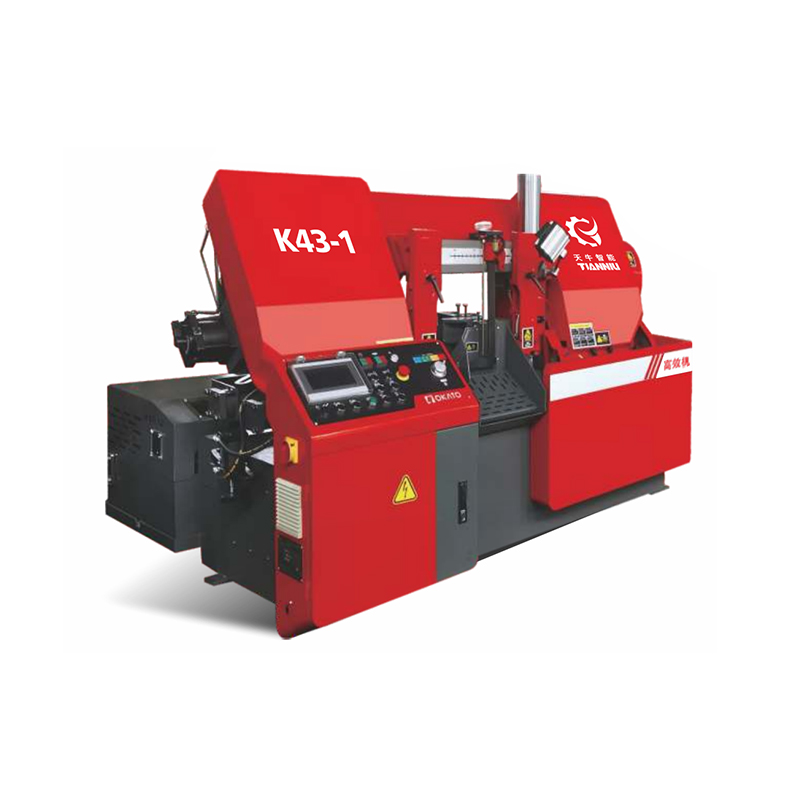
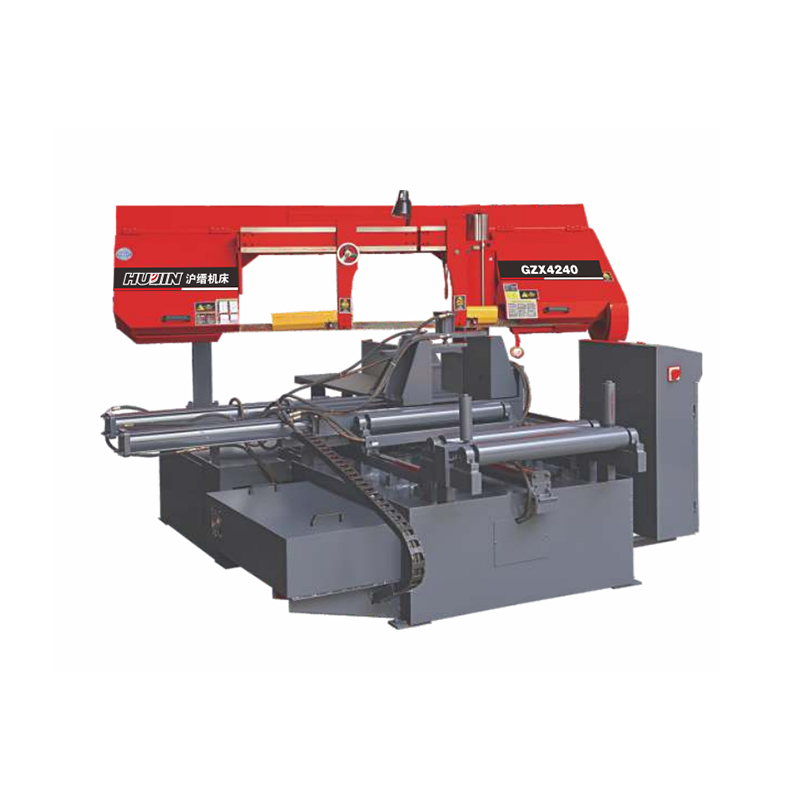
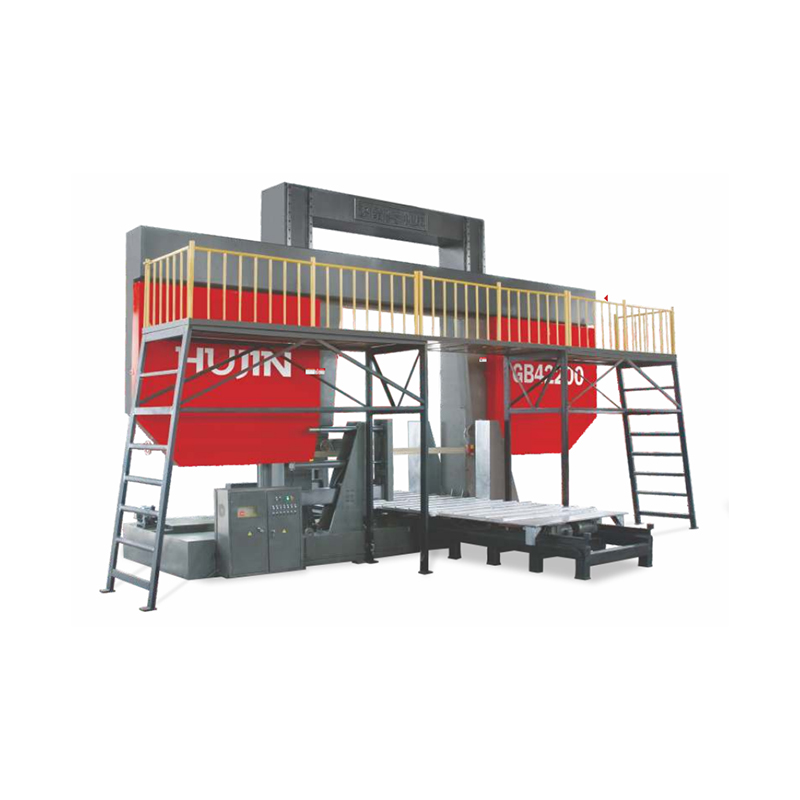
Zhejiang Hujin Machine Tool Co., Ltd. is a professional manufacturer specializing in the production of "Hurein" series hydraulic presses, band saws and milling machines.
Contact Information
phone: +86-18805885558
+86-13395785558
Email: hujin@chinahujin.cn
Add: No. 300, Xingda Road, Jinxiu Industrial Park, Huzhen Town, Jinyun County, Zhejiang Province, China 321404
Mobile Site
© 2023 Zhejiang Hujin Machine Tool Co., Ltd.
Automatic Band Saw Machine Manufacturer
