
Email: hujin@chinahujin.cn
 English
 русский
 عربى
Author: HUJIN
Date: Nov 13, 2026
CNC High Speed Metal Circular Saw: Where Accuracy Is Lost Before the Cut Begins
A CNC high speed metal circular saw is bought for repeatable cuts at speed, and buyers usually judge it on blade diameter, spindle power, and control features. The accuracy that matters, though, is often lost before the blade reaches the material: in the vise that holds the workpiece, in the fence that sets the length, and in the way the machine handles heat and vibration during a long run. A saw that cuts accurately on the first piece and drifts by the hundredth on the fiftieth is a saw that will need constant operator correction.
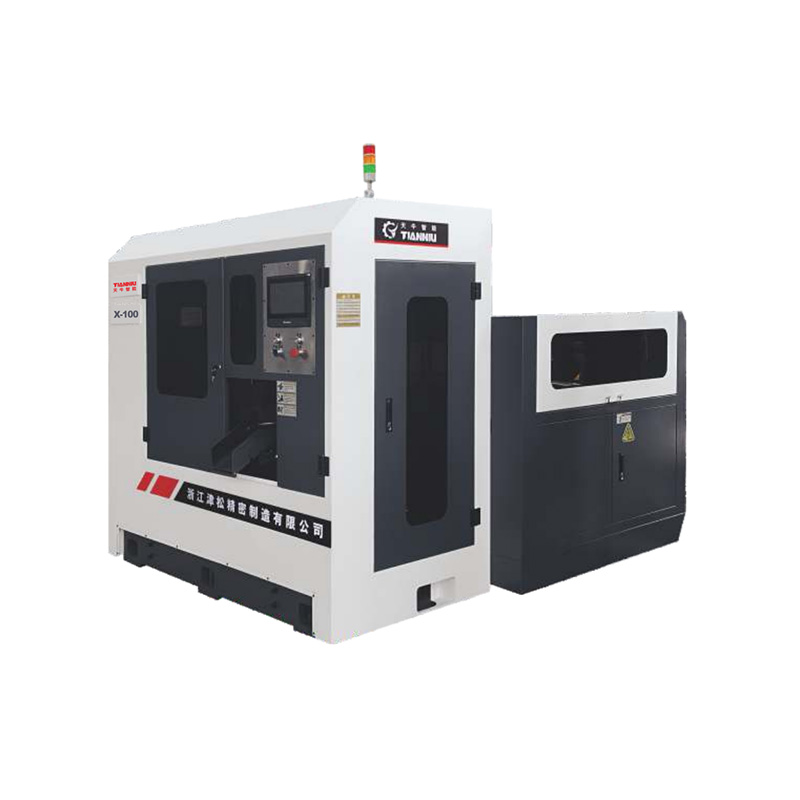
The vise decides whether the cut stays square
A circular saw cuts along a fixed line, and the workpiece has to stay on that line throughout the cut. A vise that clamps unevenly pushes the material slightly out of square, and the error compounds when the saw is run continuously. Two points deserve attention:
- Jaw alignment should be checked against the blade travel, since jaws that are not parallel to the cut line produce angled cuts that vary from piece to piece;
- Clamping pressure should be adjustable, because a vise that grips too hard deforms thin-walled material and one that grips too lightly lets it shift.
Buyers should test a machine by cutting several pieces of the same stock and measuring squareness, not by watching a single demonstration cut.
Heat and vibration build up over a run
High speed cutting generates heat, and heat moves the workpiece, the blade, and the machine itself. A saw that is accurate when cold can drift as the spindle and the material warm up. Buyers should ask how the machine manages heat, whether the control compensates for thermal growth, and how coolant is delivered to the cut. Vibration is the other long-run problem, and a machine with a rigid base and well-damped spindle will hold accuracy longer than one that relies on speed alone.
The control is only as good as the mechanics
CNC features such as program storage, automatic feed, and length compensation are useful, but they cannot correct for a vise that shifts or a spindle that runs out. Buyers should ask how the control interacts with the mechanical systems, whether feed rate is adjusted based on load, and how the machine handles a blade that is wearing. A control that assumes ideal conditions will not help when the mechanics are drifting.
Blade, coolant, and the cut surface
The blade is part of the accuracy system, not an accessory. Blade type, thickness, and tooth geometry should match the material, and a blade that is wrong for the job produces burrs and heat even on a well-built machine. Buyers should confirm how coolant is delivered, whether it can be adjusted for different materials, and how the machine handles dry cutting if that is required. The cut surface is the final check, since a burr-free cut with a consistent finish indicates that the machine, blade, and coolant are working together.
What a buyer can verify
Rather than comparing blade diameter and spindle power, buyers can ask how vise alignment is checked, how thermal growth is managed, how the control responds to blade wear, and how coolant reaches the cut. Suppliers who answer with measured values and test records are easier to trust than those who answer with catalog figures. The saw is a familiar machine; the difference lies in how carefully the vise, the heat path, and the control are matched to continuous production.

CONTACT
Get in touch
Related Products
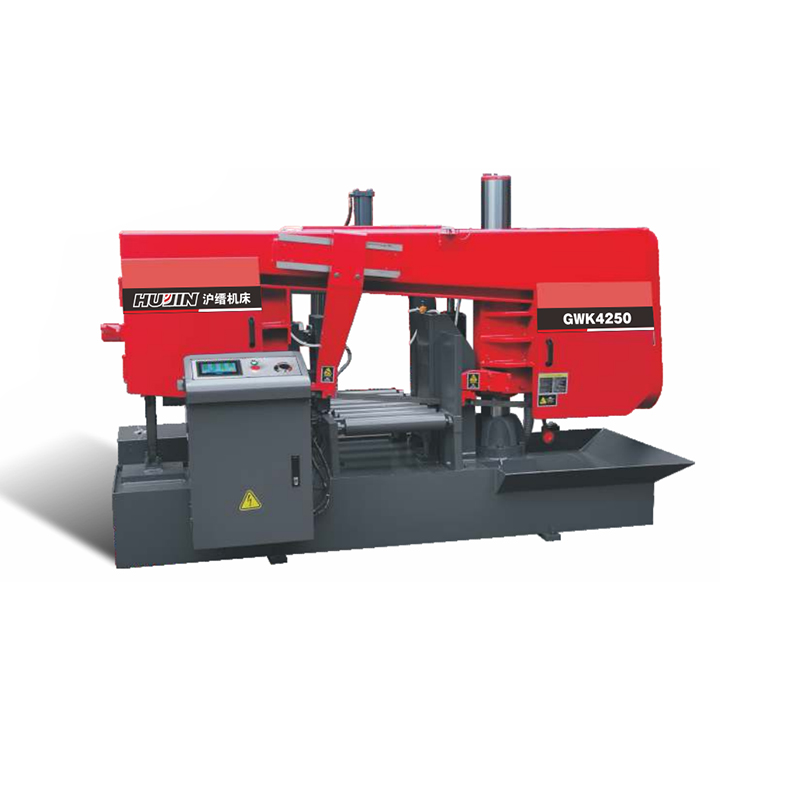
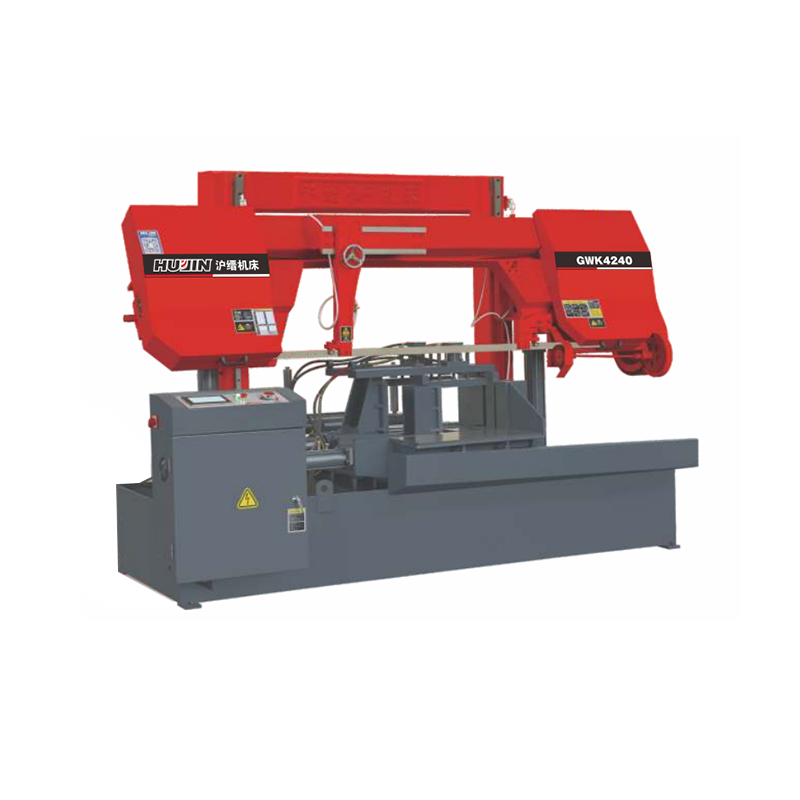
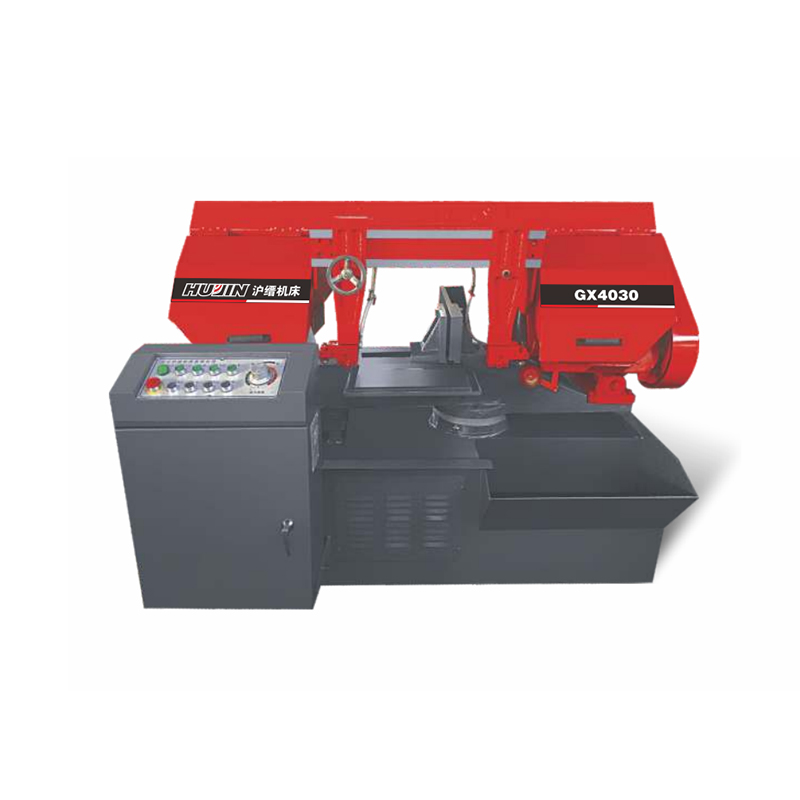
Zhejiang Hujin Machine Tool Co., Ltd. is a professional manufacturer specializing in the production of "Hurein" series hydraulic presses, band saws and milling machines.
Contact Information
phone: +86-18805885558
+86-13395785558
Email: hujin@chinahujin.cn
Add: No. 300, Xingda Road, Jinxiu Industrial Park, Huzhen Town, Jinyun County, Zhejiang Province, China 321404
Mobile Site
© 2023 Zhejiang Hujin Machine Tool Co., Ltd.
Automatic Band Saw Machine Manufacturer
