
Email: hujin@chinahujin.cn
 English
 русский
 عربى
Author: HUJIN
Date: Nov 20, 2026
Efficient Horizontal Band Sawing Machine: The Blade Path and the Vise Set the Real Cutting Cost
An efficient horizontal band sawing machine is bought to cut stock all day without an operator standing over it, and buyers usually compare motor power, maximum capacity, and control features. The cost that matters, though, is not the purchase price but the cost per cut: blade life, cut-off squareness, and how much time is lost between cuts. A machine that cuts fast on a demonstration piece and throws blades after a week is not efficient in any practical sense.
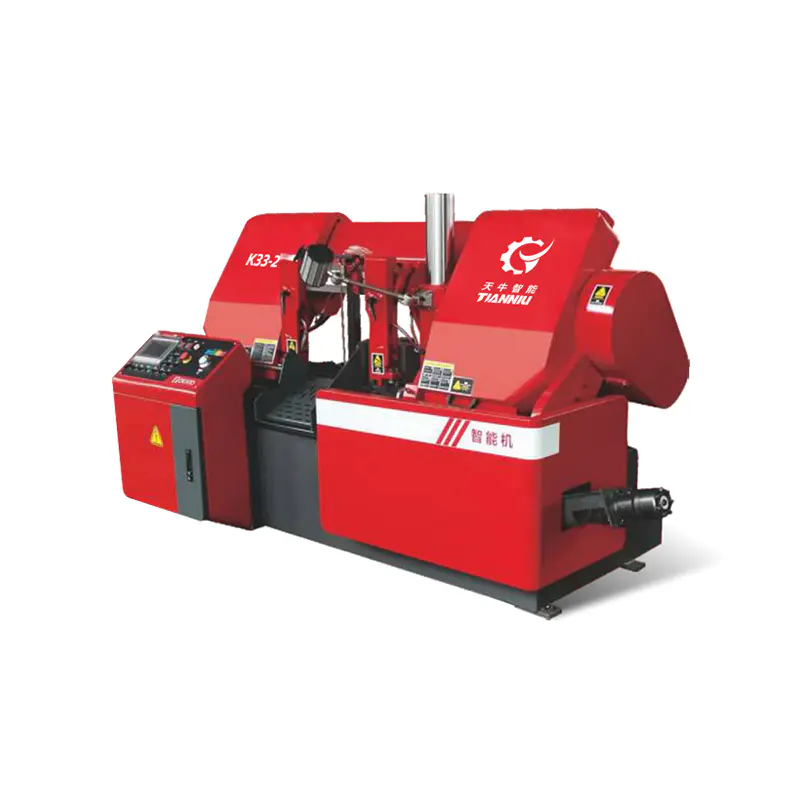
Blade tension and guide spacing decide blade life
A band saw blade fails for predictable reasons, and most of them trace back to how the blade is supported along its path. Two points deserve attention:
- Blade tension should be set and maintained consistently, since a blade that runs loose wanders in the cut and a blade that runs too tight fatigues at the weld;
- Guide arm spacing should close up as the workpiece shrinks, because a blade unsupported near the cut vibrates and loses tooth tips.
Buyers should ask how tension is set, whether the machine indicates tension, and how the guides are adjusted for different stock sizes. These details decide blade life more than the blade brand does.
Vise and feed decide squareness at volume
A horizontal band saw cuts continuously, and the vise has to hold the workpiece on the same line for every cut in a batch. A vise that shifts slightly under feed pressure produces cuts that vary in squareness across a run, which shows up later at the machining stage. Buyers should ask how the vise is actuated, whether it has a pressure control, and how the feed rate is matched to the material. Testing a machine by cutting a batch of the same stock and measuring several pieces is more revealing than measuring one.
Chip removal and coolant affect the cut more than expected
Chips that are not cleared from the cut are re-cut, which raises heat and shortens blade life. Buyers should ask how chips are removed, whether the coolant is directed at the cut or merely flooded over the machine, and how the coolant is filtered. A machine with good chip clearance and targeted coolant cuts cooler and holds size longer, even with the same blade and the same motor.
Automatic cycles and what happens between cuts
Efficiency in this category is often about the time between cuts rather than the cut itself. Buyers should ask how the machine handles the return stroke, whether the feed is programmed per material, and how the machine behaves when the blade dulls. A control that adapts feed to load can extend blade life; one that runs a fixed program regardless of conditions will wear blades faster. The interface should also make it easy to change settings for different stock without stopping production for long.
Where the money actually goes
Efficiency claims are easy to make and hard to check, so the practical question is where cost accumulates over a year of cutting. Blade consumption, coolant use, and the labor tied up in resetting the machine between jobs usually outweigh the difference in purchase price. A machine that is slightly slower but holds tension and squareness will cost less to run than a faster machine that eats blades and needs constant adjustment. Buyers comparing quotes can ask for blade life figures from a comparable material, coolant consumption, and the time needed to change over between stock sizes, then compare those against the price difference.

CONTACT
Get in touch
Related Products
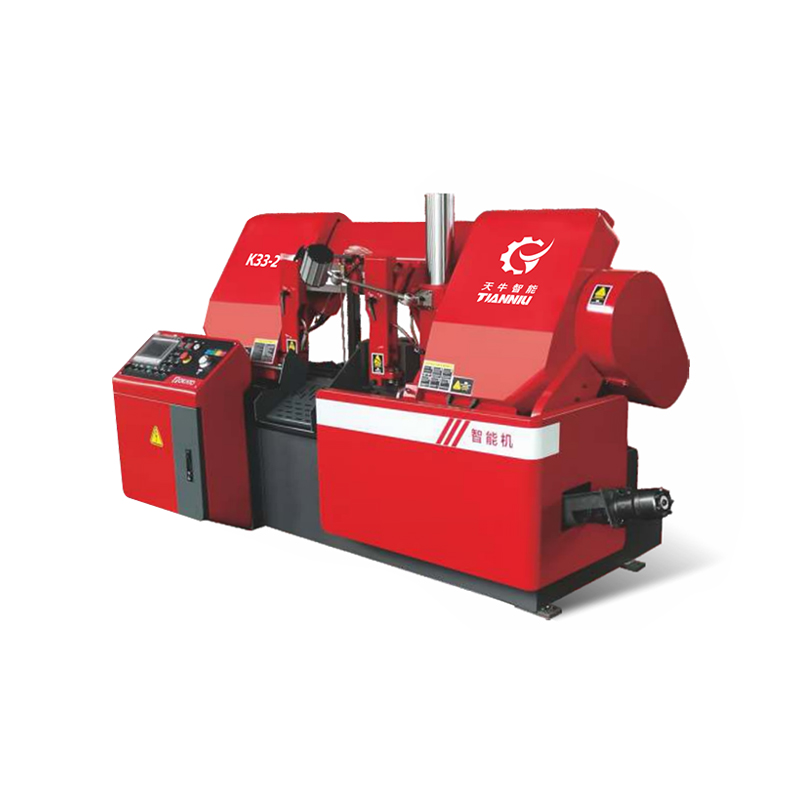
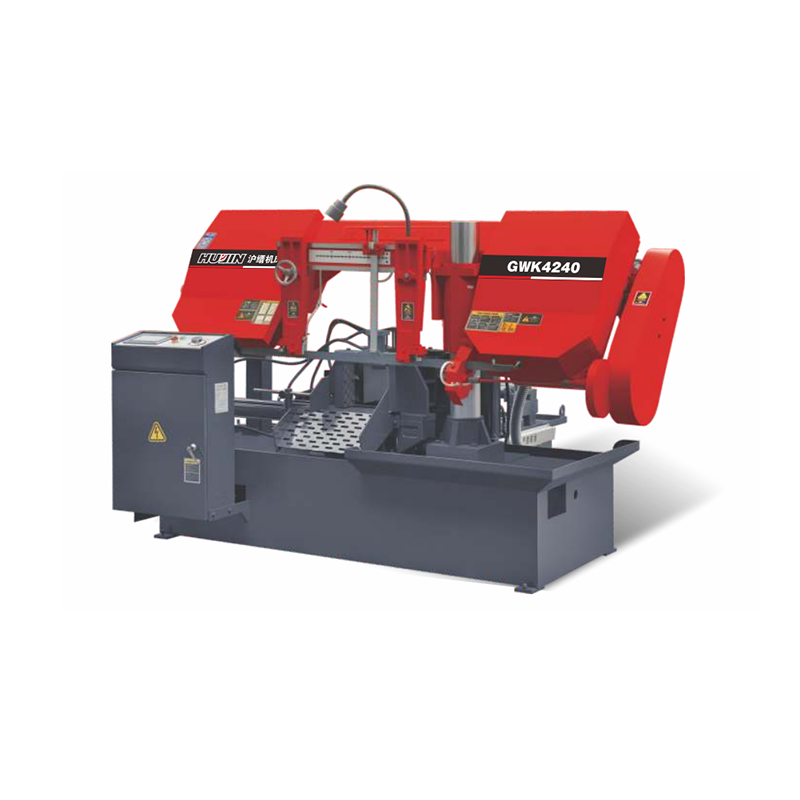
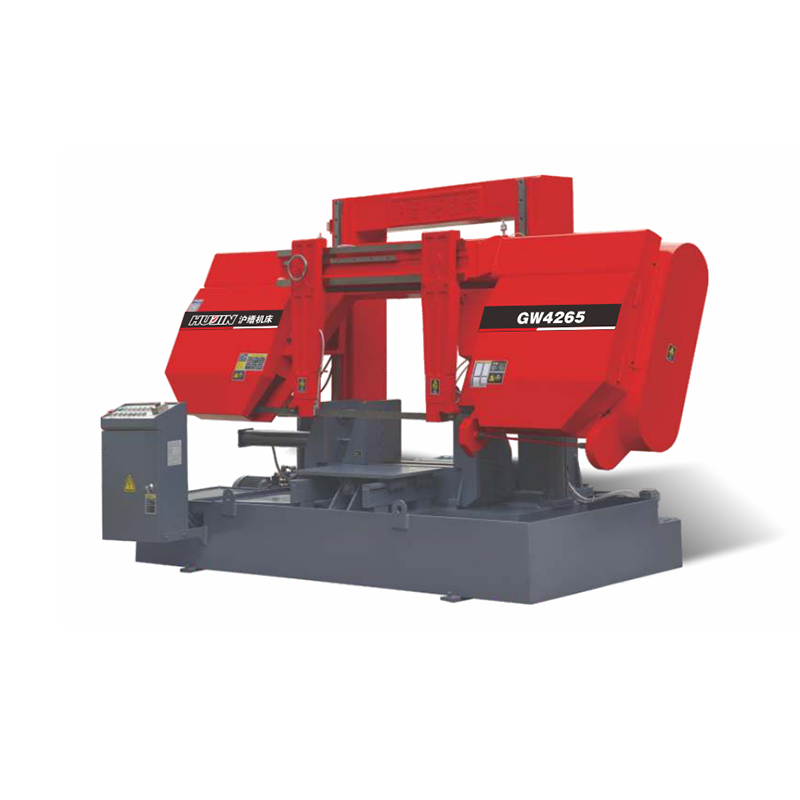
Zhejiang Hujin Machine Tool Co., Ltd. is a professional manufacturer specializing in the production of "Hurein" series hydraulic presses, band saws and milling machines.
Contact Information
phone: +86-18805885558
+86-13395785558
Email: hujin@chinahujin.cn
Add: No. 300, Xingda Road, Jinxiu Industrial Park, Huzhen Town, Jinyun County, Zhejiang Province, China 321404
Mobile Site
© 2023 Zhejiang Hujin Machine Tool Co., Ltd.
Automatic Band Saw Machine Manufacturer
