
Email: hujin@chinahujin.cn
 English
 русский
 عربى
عربى
Author: HUJIN
Date: Jan 27, 2026
Maintaining Sliding and Rotating Tables for Precision
Importance of Accurate Tables in Angle Cut Band Saws
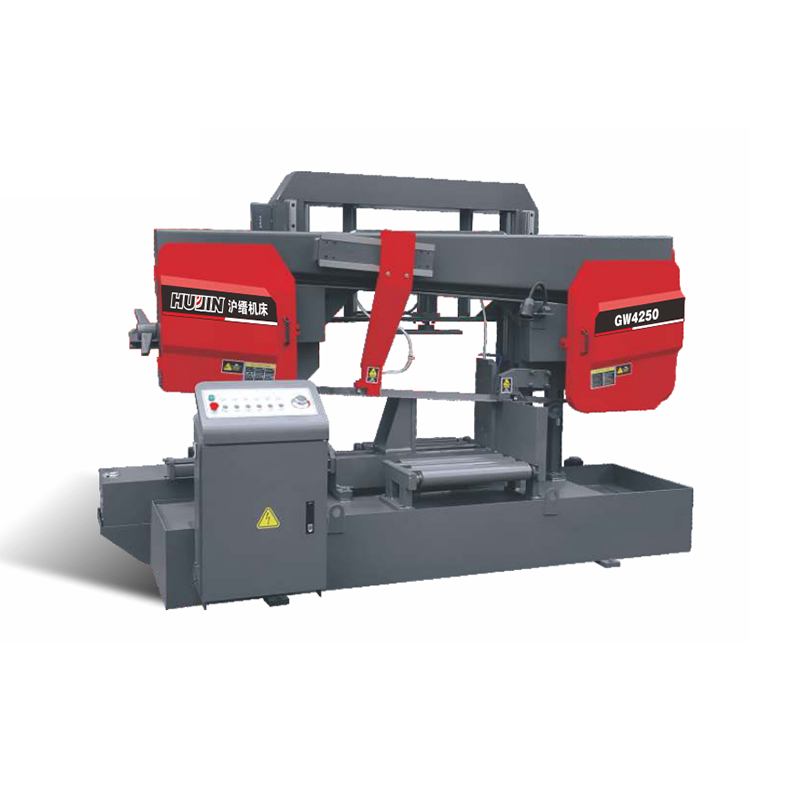
The sliding and rotating worktables of an Angle Cut Band Saw play a critical role in achieving precise angled cuts. These tables allow operators to position and support the workpiece at exact angles, ensuring that each cut meets the required specifications. Any looseness, misalignment, or wear in these tables can compromise cut quality, causing inaccurate angles, rough edges, or wasted material. Proper maintenance of sliding and rotating components is therefore essential for both precision and long-term performance.
Regular Cleaning and Debris Removal
One of the important aspects of maintaining sliding and rotating tables is keeping them clean and free from debris. Metal shavings, dust, and coolant residues can accumulate in the grooves and tracks, causing uneven movement or binding. Regular cleaning with a soft brush or compressed air removes particles that might interfere with smooth operation. Avoid using harsh chemicals that could damage protective coatings or corrode the surface. A clean table surface ensures consistent contact with the workpiece and prevents angle drift during cutting.
Lubrication Practices for Smooth Operation
Proper lubrication of the sliding and rotating mechanisms is crucial to maintain precision. Follow manufacturer guidelines to apply the correct type and amount of lubricant to guide rails, bearings, and pivot points. Over-lubrication can attract dust and metal particles, while under-lubrication can cause increased friction and uneven motion. High-quality machine oils or greases designed for metalworking equipment are typically recommended. Regular lubrication helps the tables move smoothly, reducing the risk of angular errors and wear over time.
Inspection and Adjustment of Guides and Bearings
The condition of guide rails, bearings, and pivot points directly affects table accuracy. Inspect these components periodically for wear, misalignment, or looseness. Worn bearings can cause wobbling or uneven rotation, while misaligned guides may prevent the table from locking at precise angles. Tightening screws, adjusting guide spacing, and replacing worn components as needed ensures that the tables maintain their intended alignment. Routine inspections allow early detection of potential issues before they affect cut quality.
Calibration and Angle Verification
Even with proper cleaning and lubrication, tables can gradually drift from their intended settings. Periodic calibration is essential to verify that both sliding and rotating tables maintain the correct angles. Use precision measuring tools such as digital angle gauges, protractors, or calibration blocks to check the accuracy of table positions. Recalibrate the locking mechanisms and angle indicators as necessary to restore precise alignment. Consistent verification ensures that every cut produced by the Angle Cut Band Saw meets specifications.
Preventing Excessive Load and Misuse
Avoid placing excessive loads on the sliding or rotating tables, as this can stress the mechanisms and cause permanent deformation. Always use appropriate supports for long or heavy workpieces, and avoid forcing the table beyond its designed range of motion. Misuse or improper handling can cause uneven wear, reduced precision, and even damage to the locking mechanisms. Following recommended operational practices extends the life of the tables and preserves cutting accuracy.
Sustaining Precision Through Maintenance
Maintaining the sliding and rotating tables of an Angle Cut Band Saw is essential for accurate and reliable angled cuts. Regular cleaning, proper lubrication, inspection of guides and bearings, calibration, and careful handling all contribute to sustained precision. By implementing these maintenance practices, operators can ensure that their saw delivers consistent performance, reduces material waste, and prolongs the life of both the machine and its critical components. Proper table care is an investment in both safety and quality for all cutting operations.

CONTACT
Get in touch
Related Products
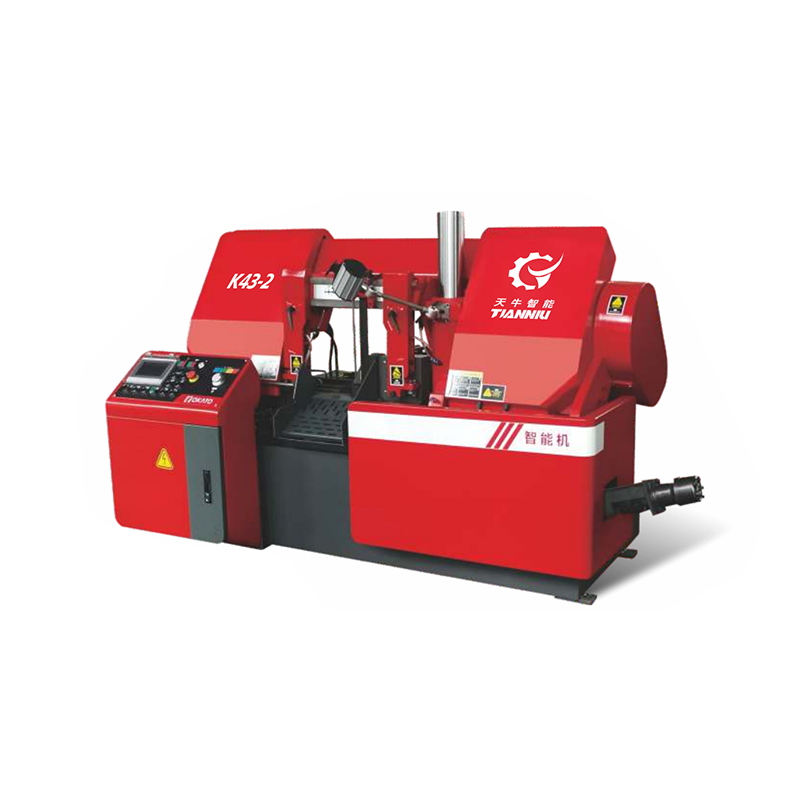
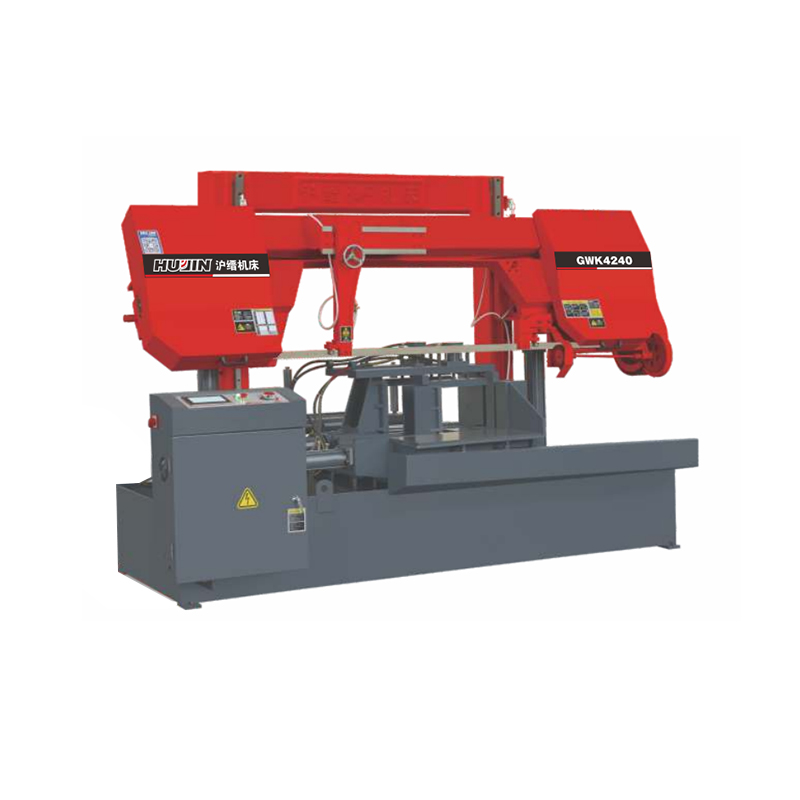
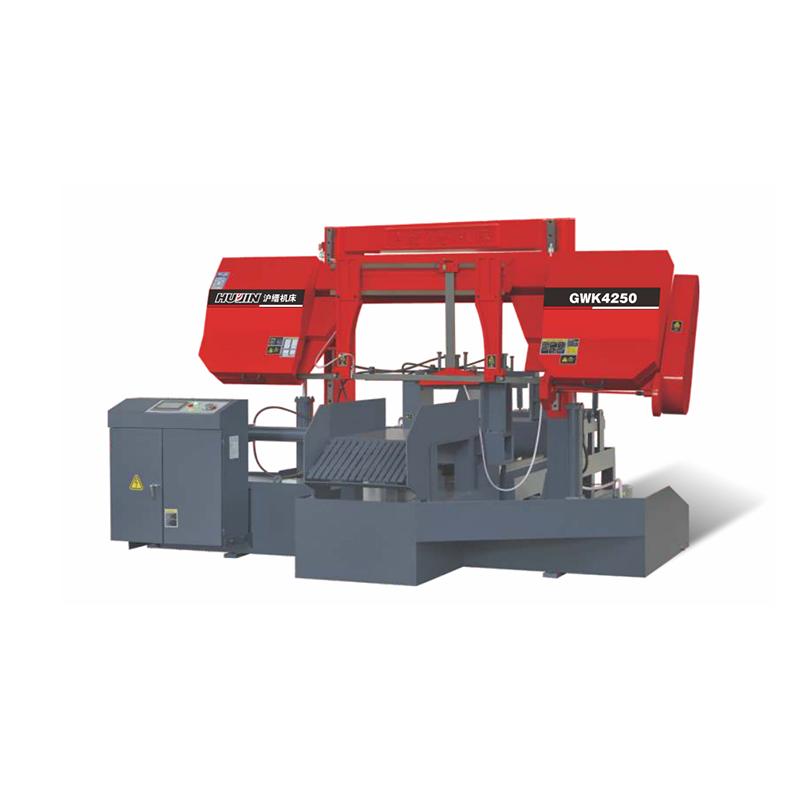
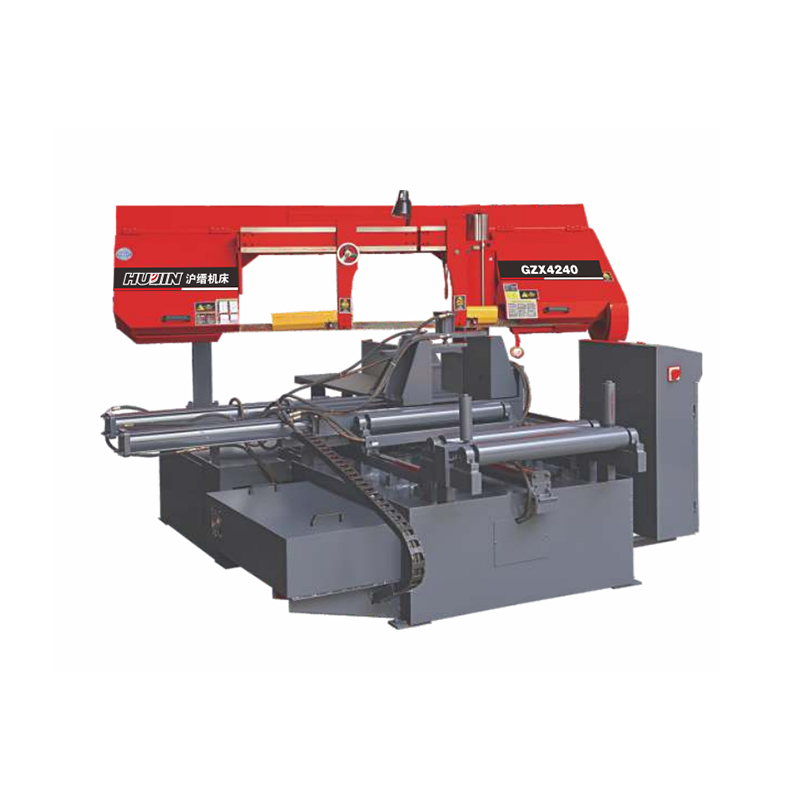
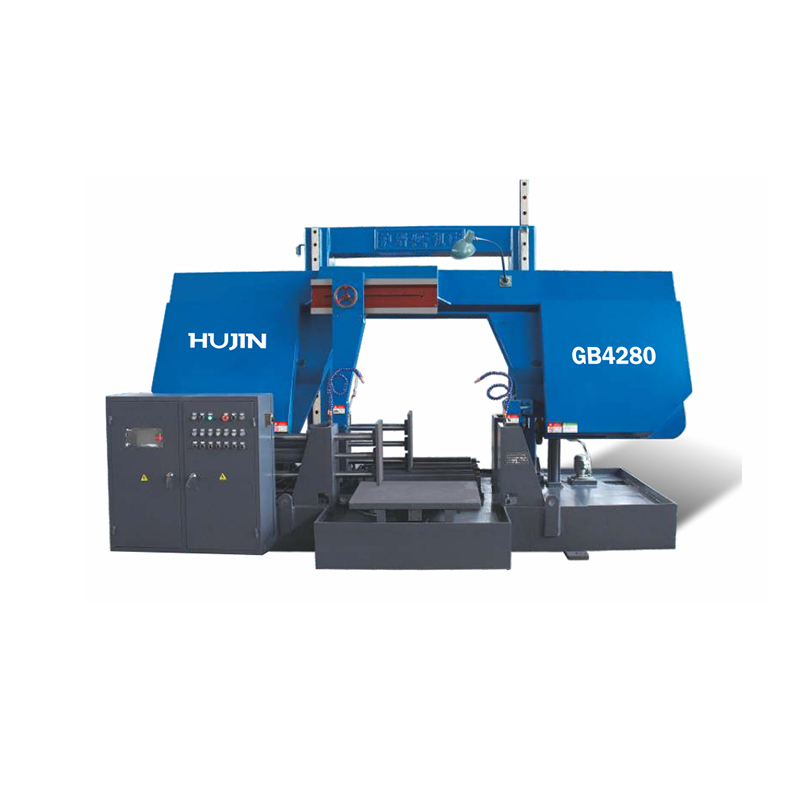
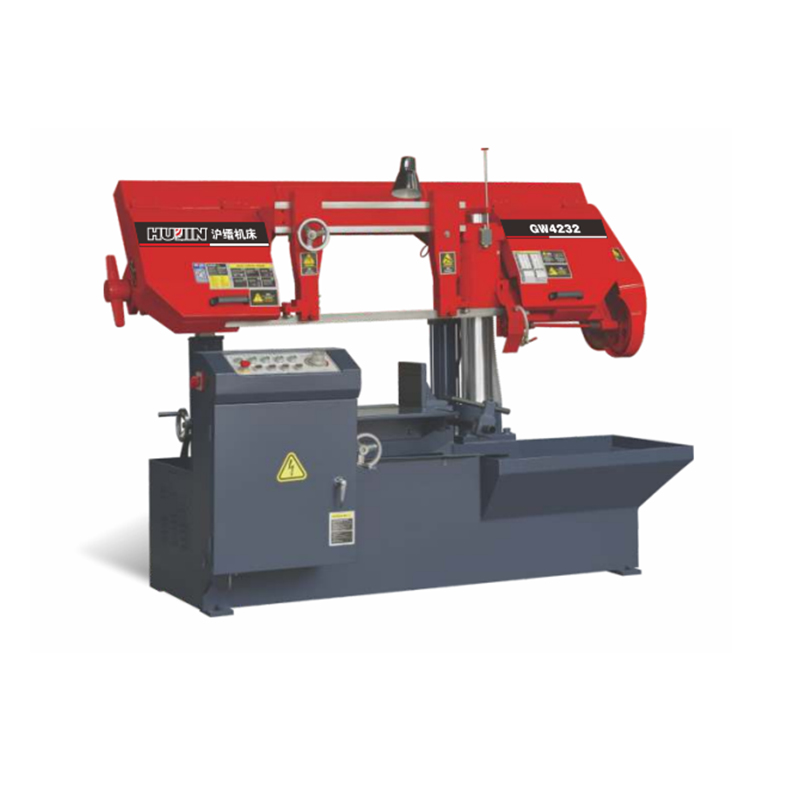
Zhejiang Hujin Machine Tool Co., Ltd. is a professional manufacturer specializing in the production of "Hurein" series hydraulic presses, band saws and milling machines.
Contact Information
phone: +86-18805885558
+86-13395785558
Email: hujin@chinahujin.cn
Add: No. 300, Xingda Road, Jinxiu Industrial Park, Huzhen Town, Jinyun County, Zhejiang Province, China 321404
Mobile Site
© 2023 Zhejiang Hujin Machine Tool Co., Ltd.
Automatic Band Saw Machine Manufacturer
