
Email: hujin@chinahujin.cn
 English
 русский
 عربى
Author: HUJIN
Date: Nov 27, 2026
Metal Band Type Sawing Machine: Frame Rigidity and Blade Tracking Decide the Cut
A metal band type sawing machine is often compared on motor power, maximum cutting capacity, and price, but the cuts that matter are decided by the frame and the blade path. A machine with a flexible frame and poor blade tracking will cut accurately when new and drift as the blade wears, and the operator ends up compensating for the machine instead of the machine doing its job. Buyers who look at the structure before the specifications tend to get more consistent results over the life of the saw.
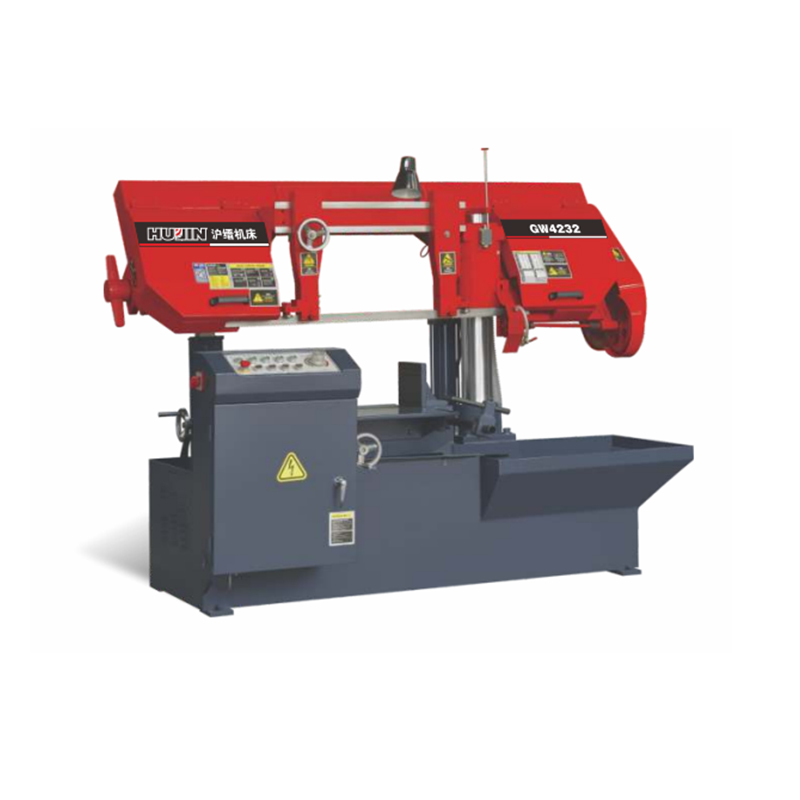
Frame rigidity shows up in the cut, not the brochure
The frame carries the blade tension and absorbs the cutting force, and any flex in the frame translates into blade wander. Frame construction should be stiff enough that blade tension does not distort it, since a frame that bows under tension changes the blade path as the cut progresses. The pivot or hinge should also be sized for the load, because a hinge with play lets the saw head move sideways and produces cuts that are not square. Buyers should ask how the frame is constructed, whether it is a welded fabrication or a casting, and how the hinge is machined and fitted. A demonstration cut on a small piece tells little about how the frame behaves under a full-capacity cut.
Blade tracking and wheel alignment
The blade runs on two wheels, and the alignment of those wheels decides whether the blade stays on track. Two points deserve attention:
- Wheel alignment should be checked under tension, since a wheel that is aligned when the blade is slack may sit differently once the machine is running;
- Blade guides should be adjusted close to the workpiece, because a blade that is unsupported near the cut vibrates and wears unevenly.
Checking the blade position after a long cut is more revealing than checking it when the machine is idle.
Vise and material support
A band saw cuts through the full width of the material, and the vise has to hold it steady from start to finish. Buyers should check how the vise clamps, whether it can hold irregular shapes, and how the material is supported on the outfeed side. A long piece that is unsupported on the outfeed side can sag and pinch the blade, which is a common cause of blade damage.
Coolant and chip evacuation
Band sawing generates chips continuously, and chips that stay in the cut are re-cut, which raises heat and shortens blade life. Two points matter here:
- Coolant should be directed at the cut rather than flooded over the machine, since coolant that misses the cut does little for blade life;
- Chip evacuation should keep the cutting area clear, because a build-up of chips near the guides causes the blade to wander and wear unevenly.
A machine with good chip evacuation cuts cooler and holds size longer.
What the numbers do not tell you
Motor power and capacity figures describe what a machine can attempt, not how well it performs over a shift. Two saws with the same motor rating can behave very differently depending on frame stiffness, blade tracking, and coolant delivery. Buyers comparing machines can ask for cut samples from full-capacity stock, blade life figures from a comparable material, and the time needed to change the blade and reset the guides. Those answers say more about long-term cost than the specification sheet does.

CONTACT
Get in touch
Related Products
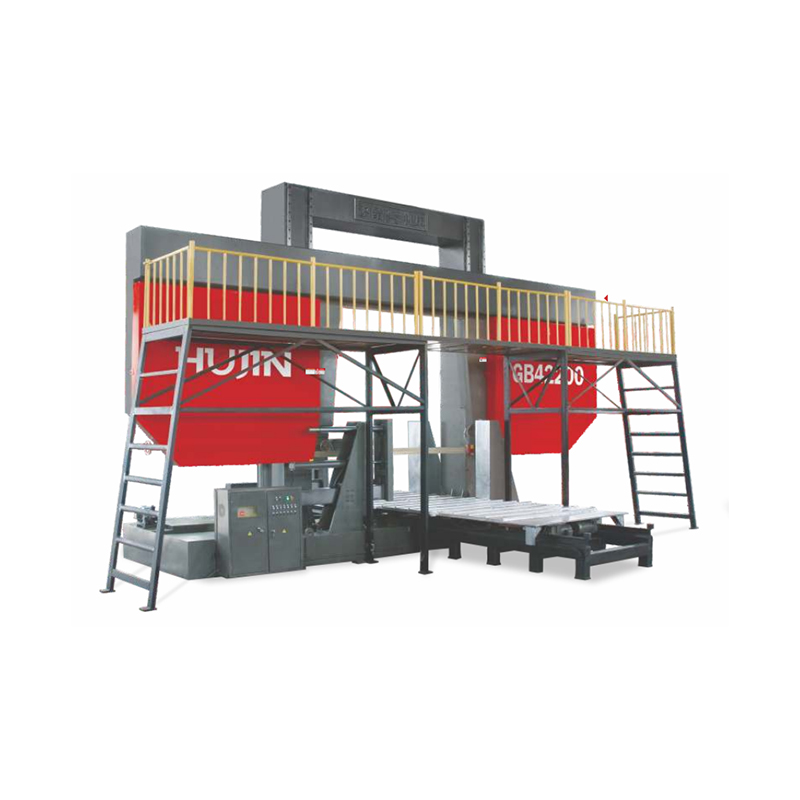
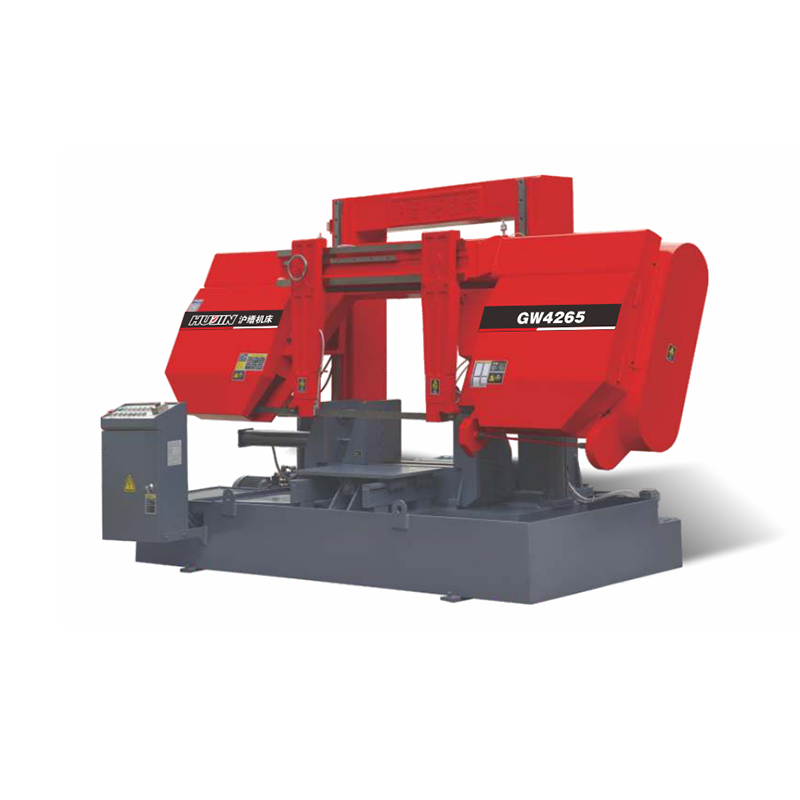
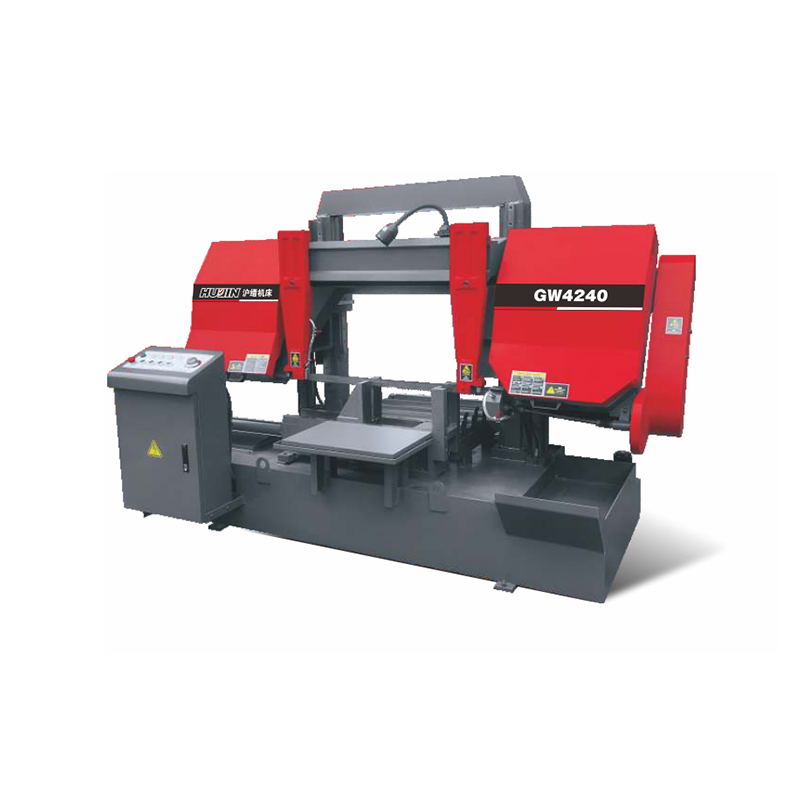
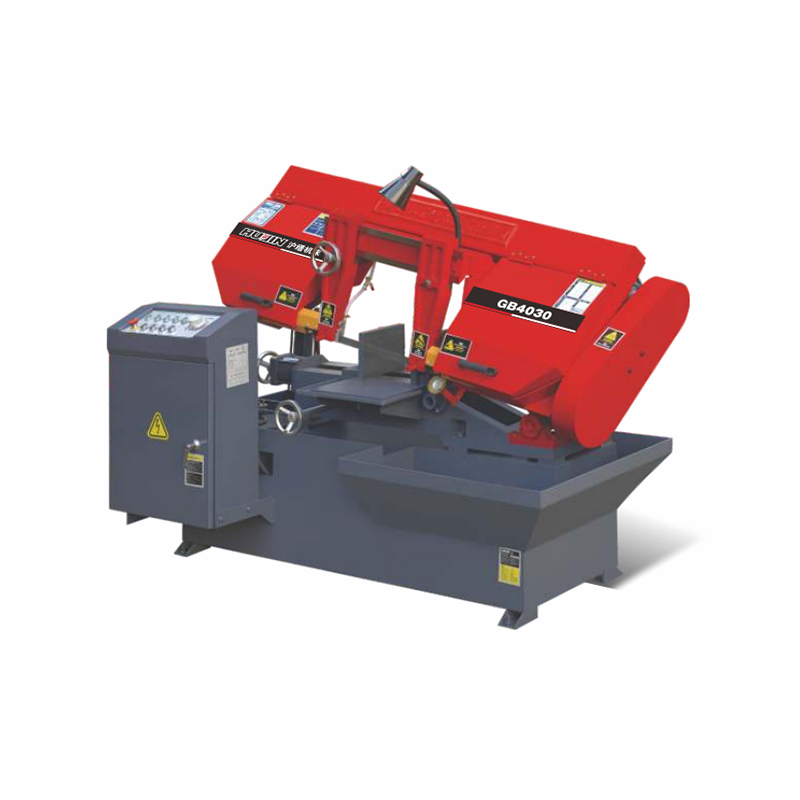
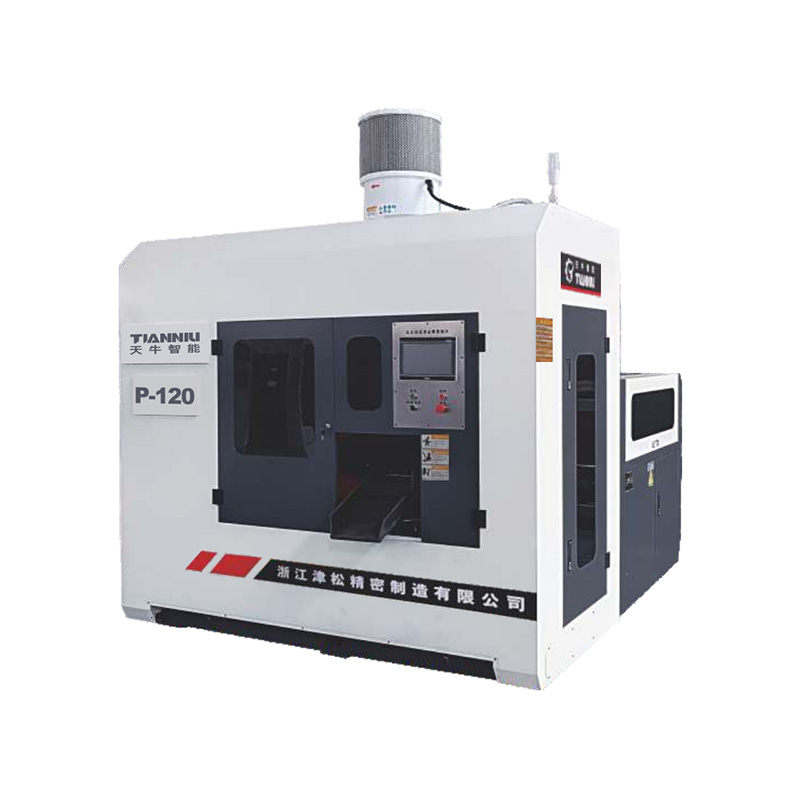
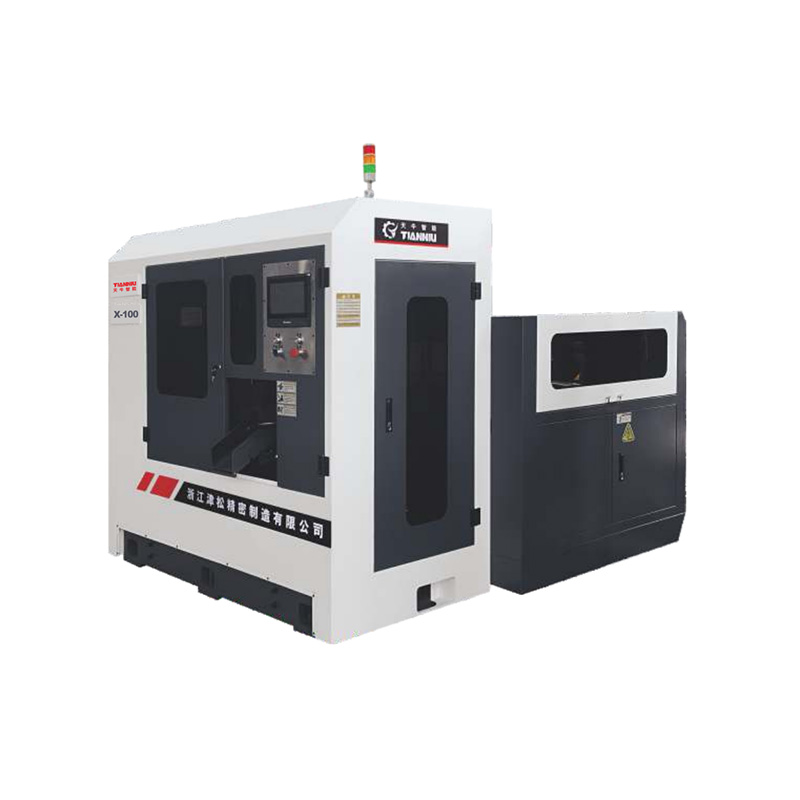
Zhejiang Hujin Machine Tool Co., Ltd. is a professional manufacturer specializing in the production of "Hurein" series hydraulic presses, band saws and milling machines.
Contact Information
phone: +86-18805885558
+86-13395785558
Email: hujin@chinahujin.cn
Add: No. 300, Xingda Road, Jinxiu Industrial Park, Huzhen Town, Jinyun County, Zhejiang Province, China 321404
Mobile Site
© 2023 Zhejiang Hujin Machine Tool Co., Ltd.
Automatic Band Saw Machine Manufacturer
