
Email: hujin@chinahujin.cn
 English
 русский
 عربى
عربى
Author: HUJIN
Date: Apr 10, 2026
Stability Advantages of Semi-Automatic Band Saw
Understanding Stability in Cutting Operations
A Semi-Automatic Band Saw is widely used in metalworking and fabrication industries due to its balance between manual control and automated functions. Stability plays a crucial role in determining the quality of cuts, machine lifespan, and overall operational safety. Compared to fully manual machines, semi-automatic band saws offer improved consistency, while still allowing operators to maintain control over key processes. This combination makes them a reliable choice for businesses seeking both precision and efficiency.
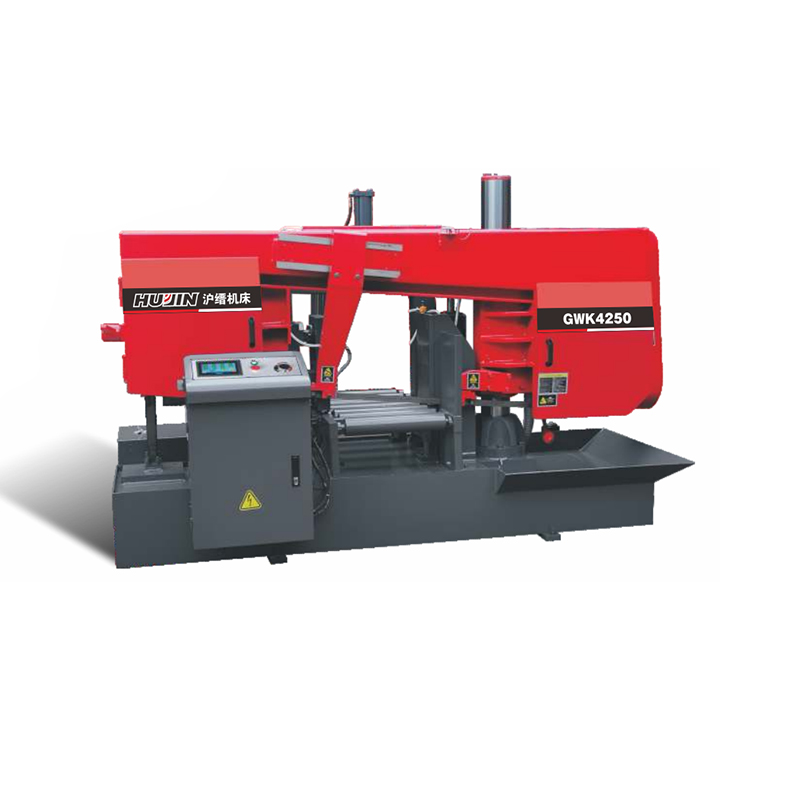
Rigid Machine Structure
One of the primary stability advantages of a semi-automatic band saw lies in its rigid structural design. These machines are typically built with heavy-duty frames, reinforced bases, and precision-engineered components that reduce flexing during operation. The solid construction reduces unwanted movement when cutting through dense materials such as steel or alloys. As a result, the blade remains steady, ensuring clean and accurate cuts even under demanding conditions. This structural rigidity is a significant improvement over lighter, fully manual machines.
Controlled Feed System
The controlled feed system is another key factor contributing to stability. In a semi-automatic band saw, the cutting feed is often regulated by hydraulic or mechanical systems rather than relying solely on operator force. This ensures a consistent downward pressure on the material, preventing sudden movements or uneven cutting speeds. A steady feed rate reduces blade stress and vibration, which directly enhances cutting precision. By maintaining uniform pressure throughout the process, the machine delivers smoother and more reliable results.
Reduced Vibration and Noise
Vibration is a major issue in cutting operations, as it can cause inaccuracies, blade wear, and even machine damage. Semi-automatic band saws are designed to reduce vibration through balanced components and advanced damping mechanisms. The combination of a stable frame and controlled feed system helps absorb and distribute cutting forces evenly. Lower vibration not only improves cutting quality but also reduces noise levels, creating a more comfortable working environment for operators. This stability advantage is particularly valuable in high-volume production settings.
Enhanced Blade Tracking and Alignment
Accurate blade tracking is essential for maintaining stability during cutting. Semi-automatic band saws are equipped with precision blade guides and tensioning systems that keep the blade properly aligned. This prevents deviation and ensures that the blade follows a straight cutting path. Improved alignment reduces the likelihood of blade breakage and enhances the overall efficiency of the machine. Consistent blade tracking also contributes to better surface finishes on the cut material, which is important for downstream processing.
Operator Safety and Control
Stability is closely linked to safety, and semi-automatic band saws provide a safer working environment compared to fully manual machines. The automated features, such as controlled feed and automatic shut-off, reduce the need for constant operator intervention. This reduces the risk of human error and ensures that the machine operates within safe parameters. At the same time, operators retain enough control to adjust settings and respond to specific cutting requirements. This balance between automation and manual input enhances both safety and stability.
Consistent Performance Over Time
The stability advantages of a Semi-Automatic Band Saw are evident in its rigid structure, controlled feed system, reduced vibration, and precise blade alignment. These features work together to deliver accurate cuts, enhance safety, and extend machine lifespan. By combining automation with operator control, semi-automatic band saws provide a balanced solution for industries that require both efficiency and precision. Their consistent performance and reliable operation make them an essential tool in modern manufacturing and metalworking processes.

CONTACT
Get in touch
Related Products
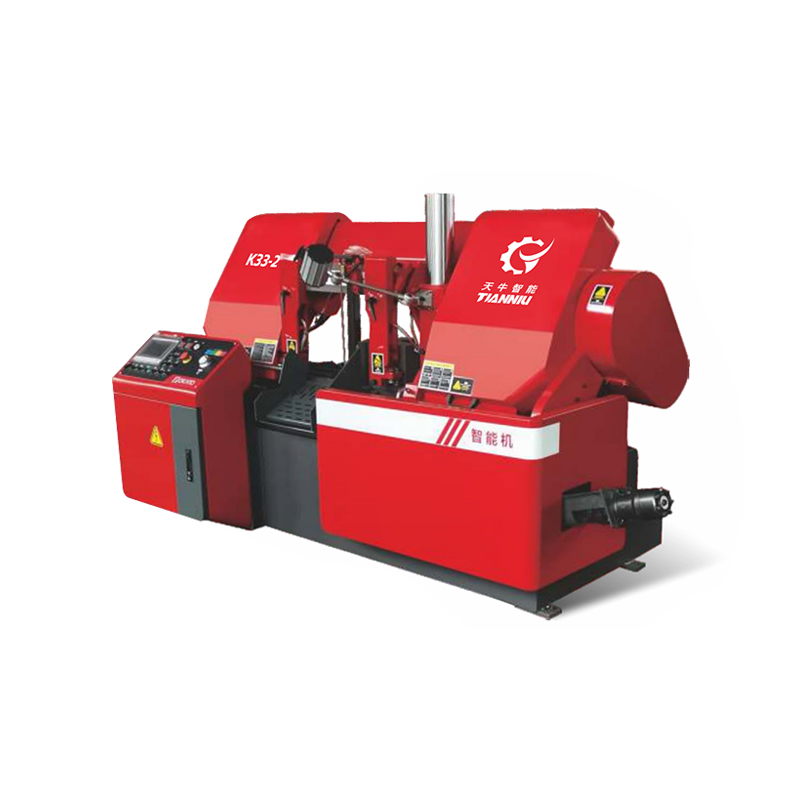
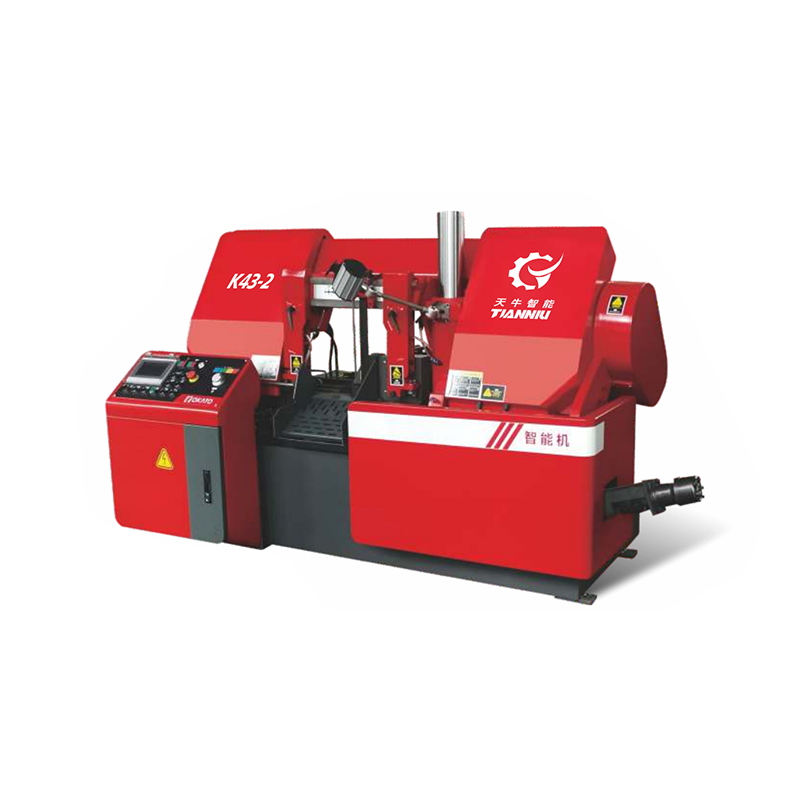
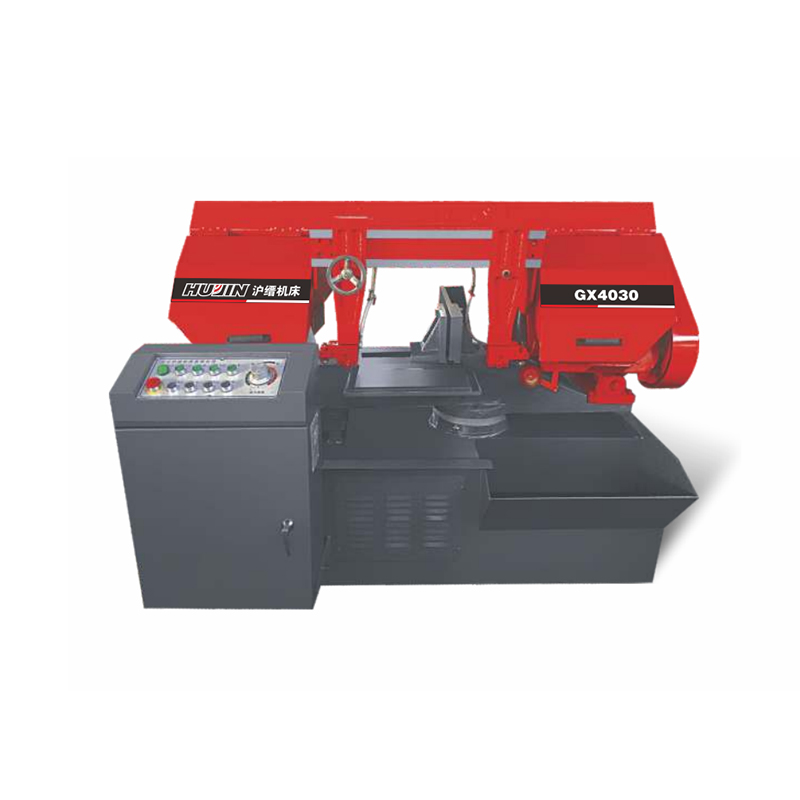
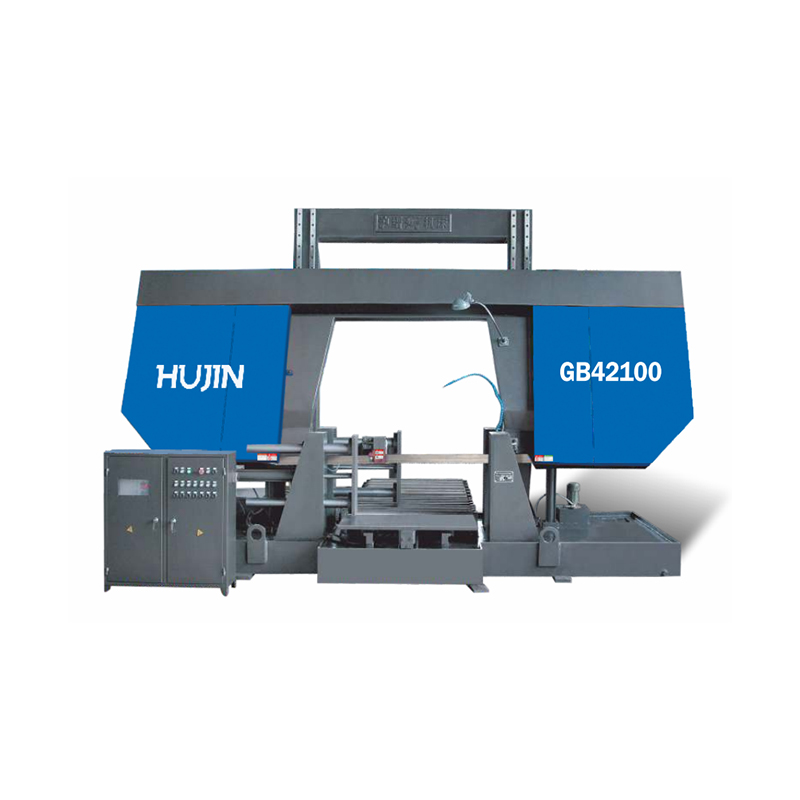
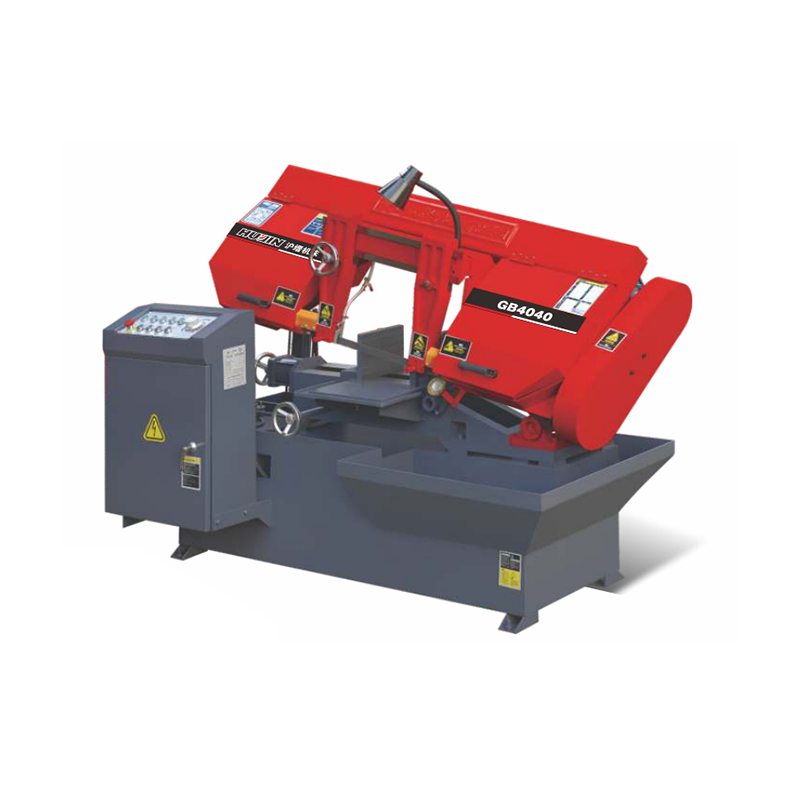
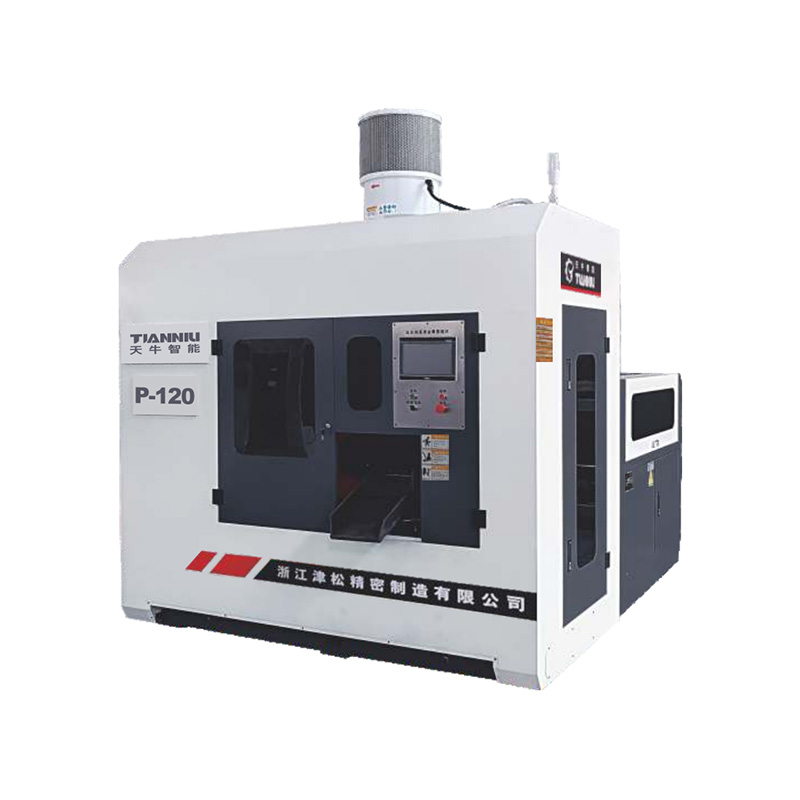
Zhejiang Hujin Machine Tool Co., Ltd. is a professional manufacturer specializing in the production of "Hurein" series hydraulic presses, band saws and milling machines.
Contact Information
phone: +86-18805885558
+86-13395785558
Email: hujin@chinahujin.cn
Add: No. 300, Xingda Road, Jinxiu Industrial Park, Huzhen Town, Jinyun County, Zhejiang Province, China 321404
Mobile Site
© 2023 Zhejiang Hujin Machine Tool Co., Ltd.
Automatic Band Saw Machine Manufacturer
