
Email: hujin@chinahujin.cn
 English
 русский
 عربى
عربى
Author: HUJIN
Date: Apr 17, 2026
Metals Suitable for Angle Cut Band Saw
Understanding Angle Cut Band Saw Applications
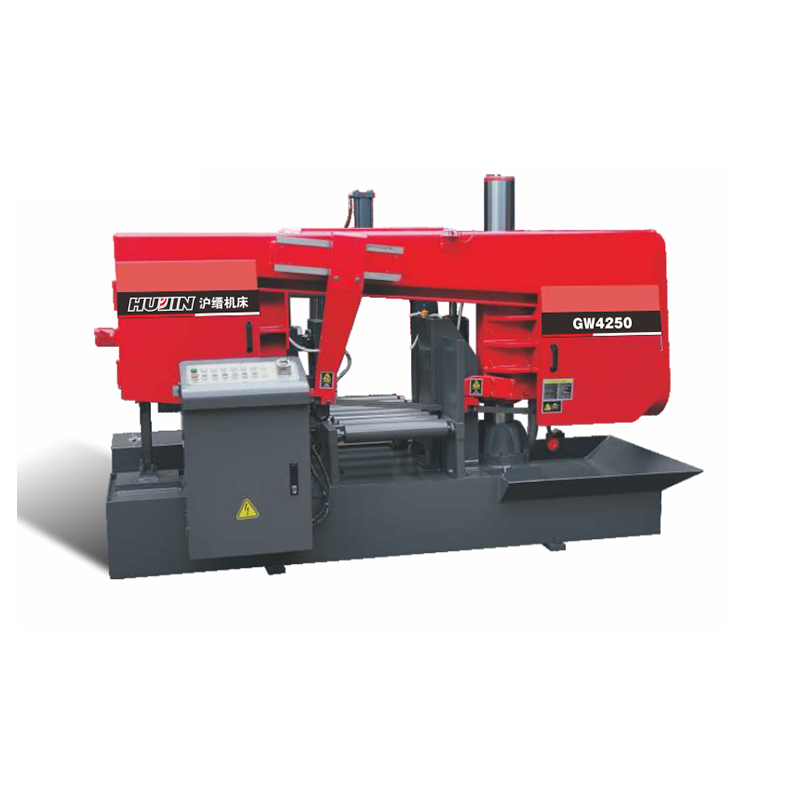
An Angle Cut Band Saw is a specialized cutting machine designed to perform precise angled cuts on a wide range of metal materials. Its adjustable cutting head or vise allows operators to cut at specific angles, making it essential for fabrication, construction, and manufacturing industries. Unlike standard band saws, this type of machine is particularly useful for producing beveled edges, miter cuts, and complex joints. Understanding which metals are good suited for this equipment helps improve efficiency, extend blade life, and ensure high-quality results.
Cutting Carbon Steel and Alloy Steel
Carbon steel is one of the commonly processed materials using an angle cut band saw. Its versatility and availability make it a standard choice in construction and mechanical applications. The machine can handle various grades of carbon steel, from low-carbon to high-carbon types, depending on blade selection and cutting parameters. Alloy steels, which contain elements such as chromium, molybdenum, or nickel, are also suitable for cutting. These materials are often harder and require optimized blade speed and feed rates, but the stability of the band saw ensures consistent performance and accurate angled cuts.
Processing Stainless Steel
Stainless steel is another metal frequently cut using an angle cut band saw. Known for its corrosion resistance and strength, stainless steel is widely used in industries such as food processing, medical equipment, and architecture. However, it can be more challenging to cut due to its hardness and tendency to work-harden. The use of appropriate blades, coolant, and controlled feed rates allows the machine to handle stainless steel effectively. The ability to perform precise angle cuts is particularly beneficial when fabricating frames, pipes, and structural components.
Working with Aluminum and Non-Ferrous Metals
Aluminum is a lightweight metal that is easy to cut and widely used in transportation, aerospace, and construction. An angle-cut band saw can efficiently process aluminum profiles, sheets, and extrusions while maintaining clean edges and accurate angles. In addition to aluminum, other non-ferrous metals such as copper, brass, and bronze can also be cut with this machine. These materials are softer compared to steel, allowing for faster cutting speeds and reduced tool wear. Proper blade selection ensures smooth finishes and prevents material deformation during cutting.
Cutting High-Strength and Tool Steels
High-strength steels and tool steels are often used in demanding applications where durability and wear resistance are critical. These materials can be more difficult to cut due to their hardness and toughness. An angle cut band saw, equipped with high-quality blades and proper settings, can handle these materials effectively. The machine’s stable structure and controlled cutting process help maintain precision even when working with challenging metals. This makes it a valuable tool for industries that require accurate cutting of hardened components.
Handling Pipes, Tubes, and Structural Metals
Angle cut band saws are particularly well-suited for cutting pipes, tubes, and structural metal components. These materials often require precisely angled cuts for assembly and welding purposes. Whether working with steel pipes, aluminum tubes, or mixed-material structures, the machine provides the flexibility needed to achieve accurate results. The ability to adjust angles easily allows operators to create joints that fit well, reducing the need for additional finishing work and improving overall efficiency.
Factors Influencing Metal Selection
An Angle Cut Band Saw is a versatile machine capable of cutting a variety of metal materials, including carbon steel, stainless steel, aluminum, and high-strength alloys. Its ability to perform precise angled cuts makes it indispensable in many industries, from construction to manufacturing. By selecting the appropriate blade and adjusting cutting parameters, operators can achieve efficient, accurate, and high-quality results across different types of metals. This versatility ensures that the machine remains a valuable asset for both small workshops and large-scale production environments.

CONTACT
Get in touch
Related Products
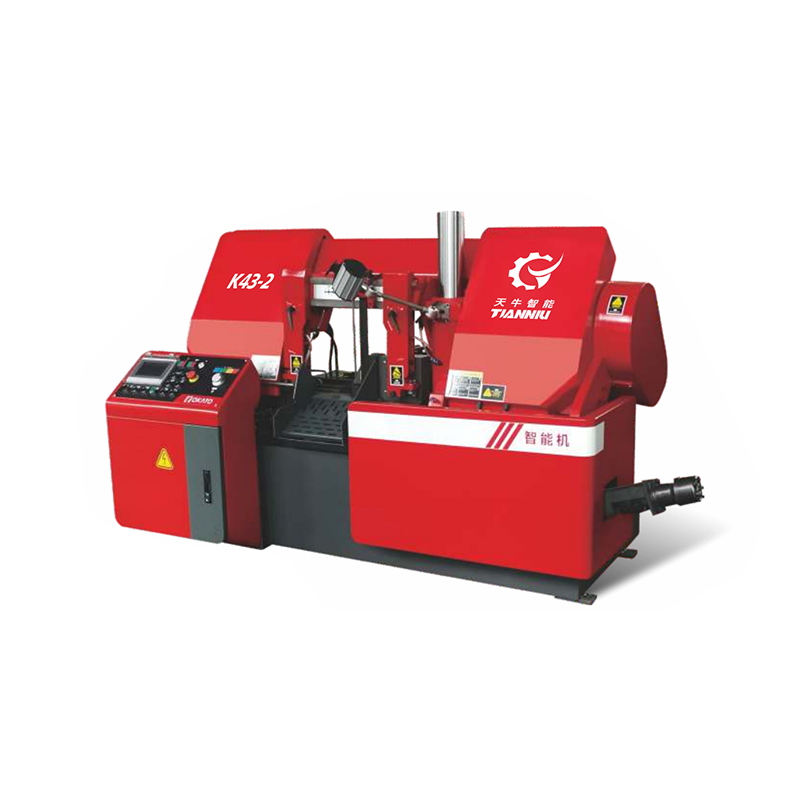
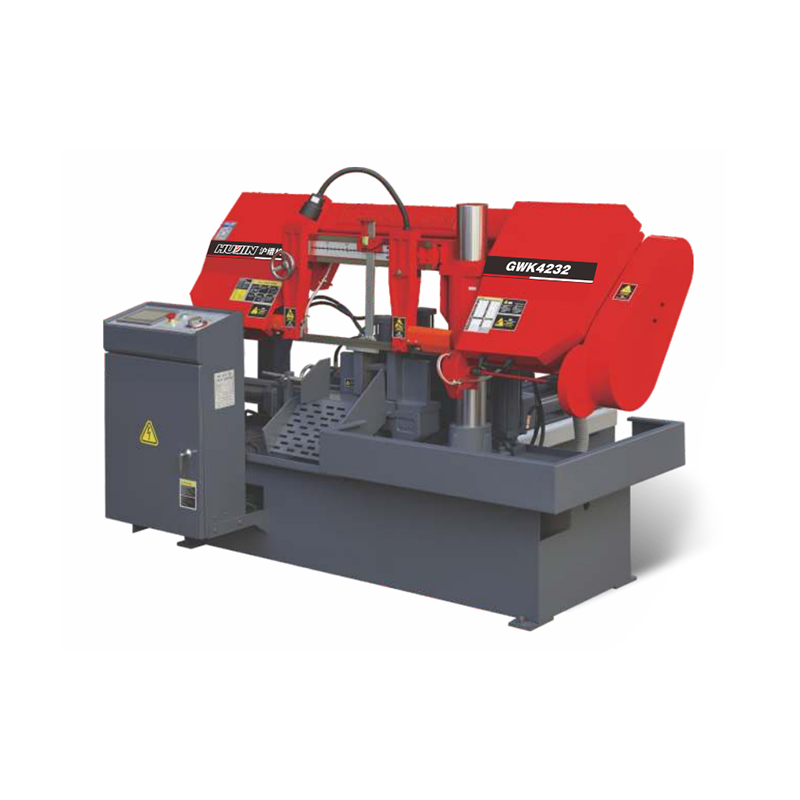
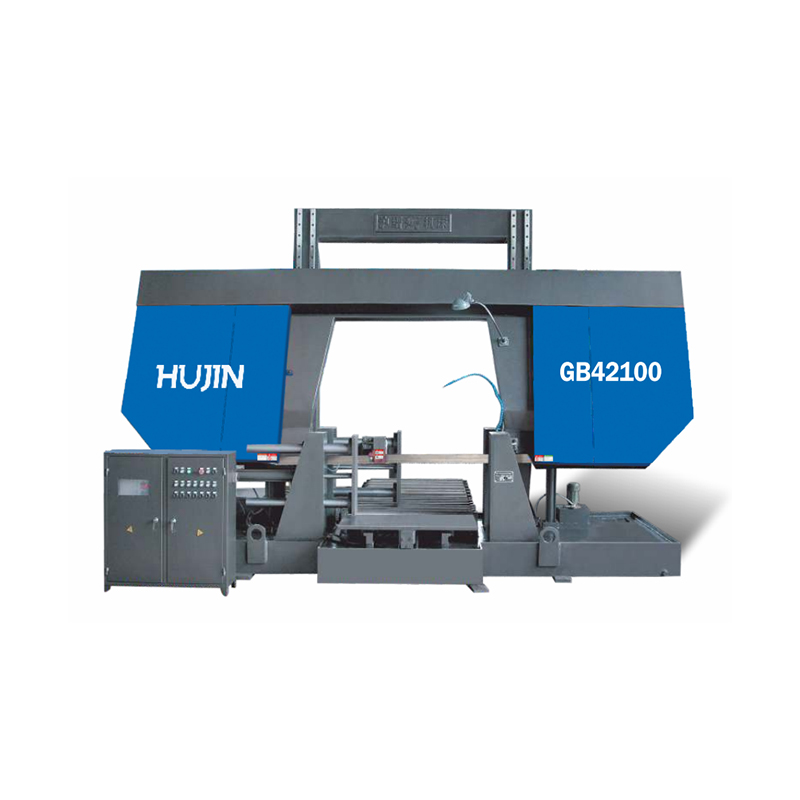
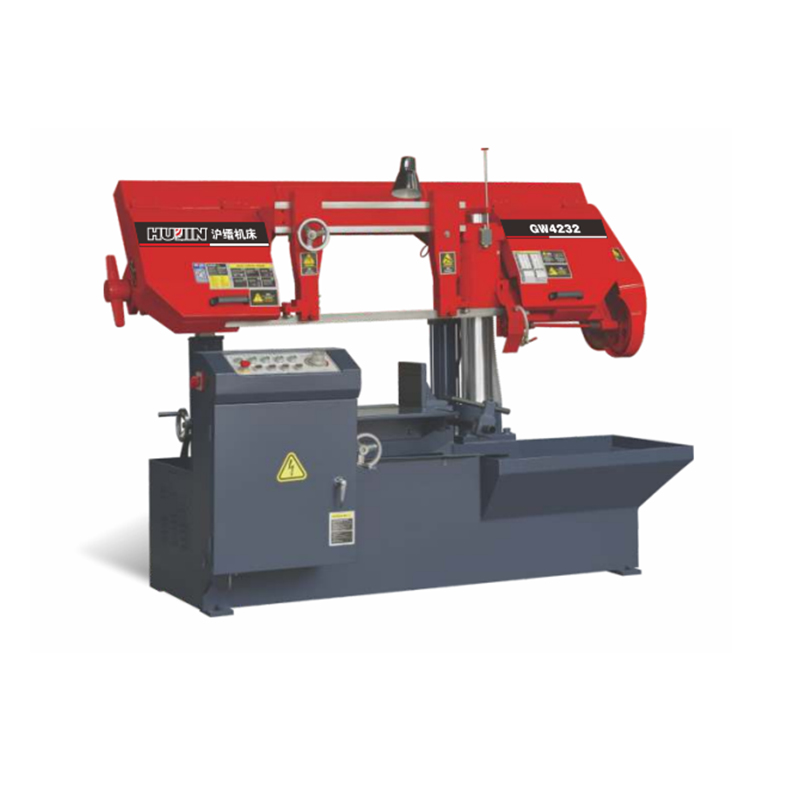
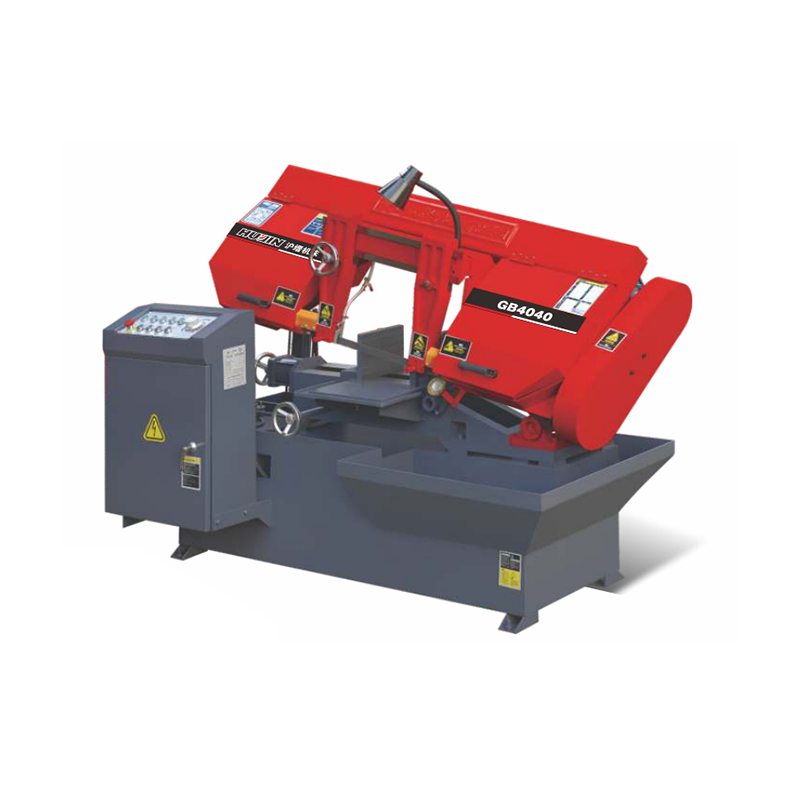
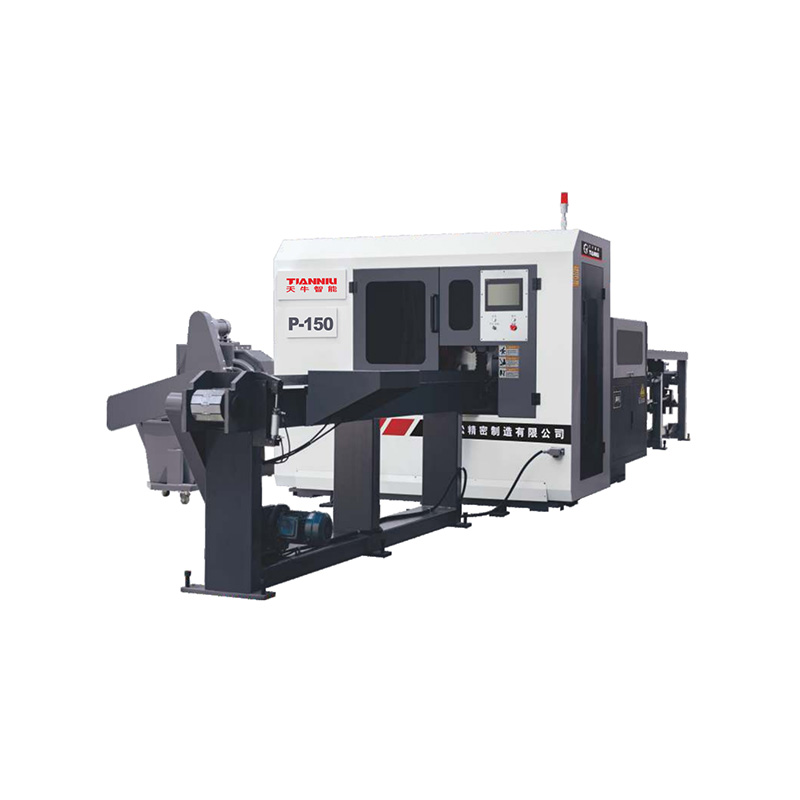
Zhejiang Hujin Machine Tool Co., Ltd. is a professional manufacturer specializing in the production of "Hurein" series hydraulic presses, band saws and milling machines.
Contact Information
phone: +86-18805885558
+86-13395785558
Email: hujin@chinahujin.cn
Add: No. 300, Xingda Road, Jinxiu Industrial Park, Huzhen Town, Jinyun County, Zhejiang Province, China 321404
Mobile Site
© 2023 Zhejiang Hujin Machine Tool Co., Ltd.
Automatic Band Saw Machine Manufacturer
