
Email: hujin@chinahujin.cn
 English
 русский
 عربى
عربى
Author: HUJIN
Date: Mar 25, 2026
Advantages of Scissor Structure in Band Saws
Compact Structural Configuration
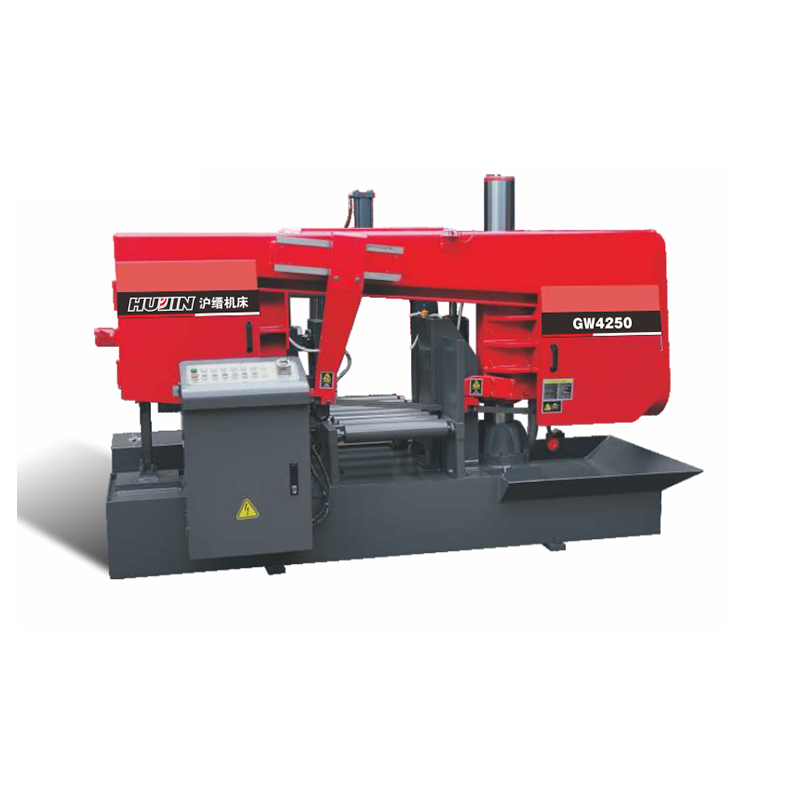
The scissor-style design is one of the defining features of a Scissor Band Saw, offering a compact and efficient structural configuration. Unlike column-type machines that require vertical guide systems, the scissor structure uses a pivoting arm that swings downward during the cutting process. This design reduces the overall footprint of the machine, making it suitable for workshops where space is limited.
The compact arrangement also simplifies installation and layout planning. Manufacturers and metalworking shops can integrate the machine into existing production lines without major modifications. The structural simplicity of the scissor mechanism allows for easier transportation and assembly compared with more complex systems. These advantages make the Scissor Band Saw a practical choice for small and medium-sized production environments.
Efficient Cutting Motion
The scissor mechanism provides a natural and efficient cutting motion. As the saw arm pivots downward, the blade gradually engages the material with consistent pressure. This movement helps maintain stable cutting conditions and improves overall efficiency.
The pivoting action allows operators to control cutting speed more effectively. Smooth downward movement reduces sudden impacts between the blade and the material, which helps protect the saw blade from excessive wear. A well-balanced scissor structure enables steady feeding, ensuring that cutting performance remains consistent even during long operations.
This efficient motion also contributes to reduced energy consumption because the machine requires less force to maintain the cutting process.
Structural Simplicity and Reliability
One of the major advantages of the scissor structure is its mechanical simplicity. Fewer moving parts reduce the likelihood of mechanical failure and make the system easier to maintain. The pivoting arm and base frame form the main structural elements, which simplifies both manufacturing and servicing.
Because of this straightforward design, maintenance procedures are usually less complicated. Technicians can easily access key components such as the pivot shaft and hydraulic cylinder. Reduced mechanical complexity also improves reliability, allowing the machine to operate continuously without downtime.
The Scissor Band Saw benefits from this reliability, especially in environments where machines must operate for long hours.
Flexibility in Angle Cutting
The scissor structure offers good flexibility when performing angled cuts. The pivoting saw arm can be adjusted to different angles, allowing operators to produce various shapes and profiles. This flexibility is particularly useful in metal fabrication and structural steel processing.
Angle adjustment mechanisms are usually integrated into the base or pivot assembly. The scissor structure allows these adjustments to be made smoothly and accurately. Once the desired angle is set, the machine can perform consistent cuts without frequent repositioning.
This flexibility increases productivity by enabling multiple cutting tasks to be completed on a single machine.
Suitable for General Industrial Applications
The scissor structure is well-suited for general industrial cutting applications. It can handle a variety of materials such as steel bars, pipes, and profiles. The design provides sufficient strength for routine cutting tasks while maintaining ease of operation.
Operators appreciate the straightforward control and predictable performance offered by scissor-style machines. The design allows for quick setup and efficient workflow, which is important in busy production environments.
A properly designed structure ensures consistent cutting results and dependable performance. This balance of practicality, efficiency, and reliability explains why the scissor-style configuration remains widely used in modern metalworking industries.

CONTACT
Get in touch
Related Products
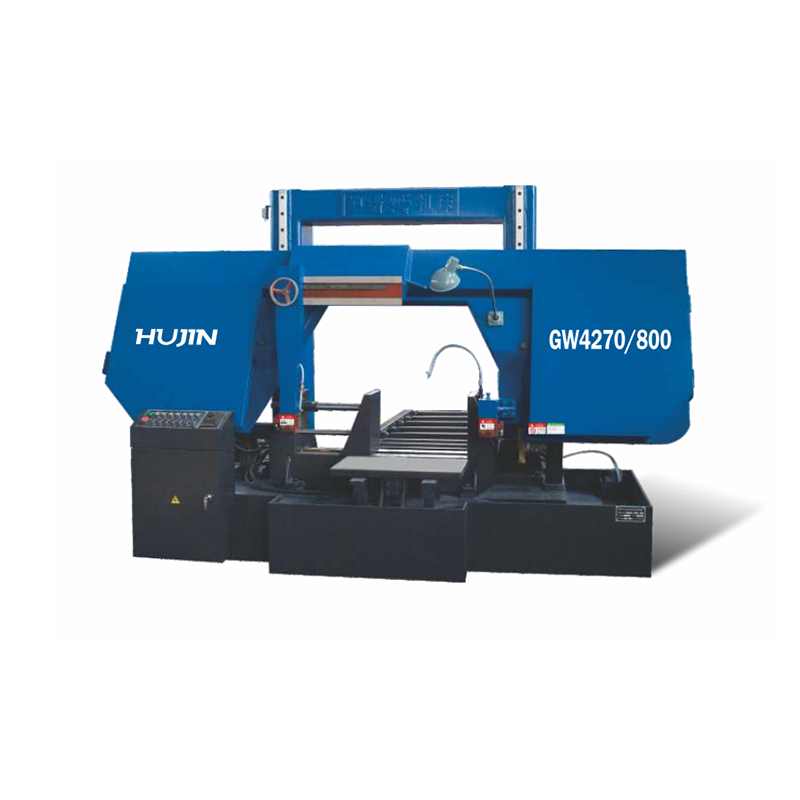
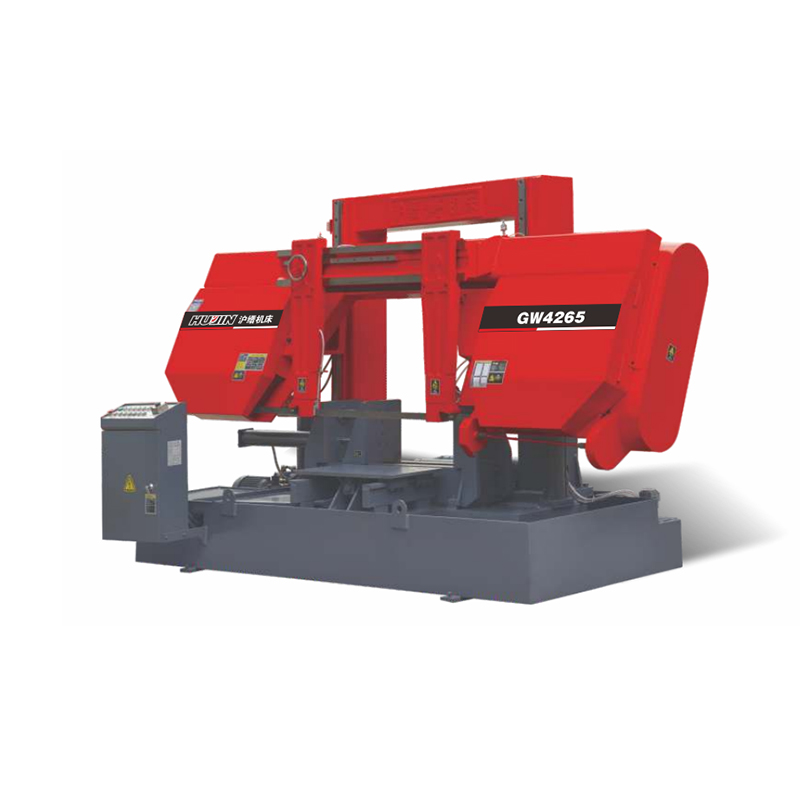
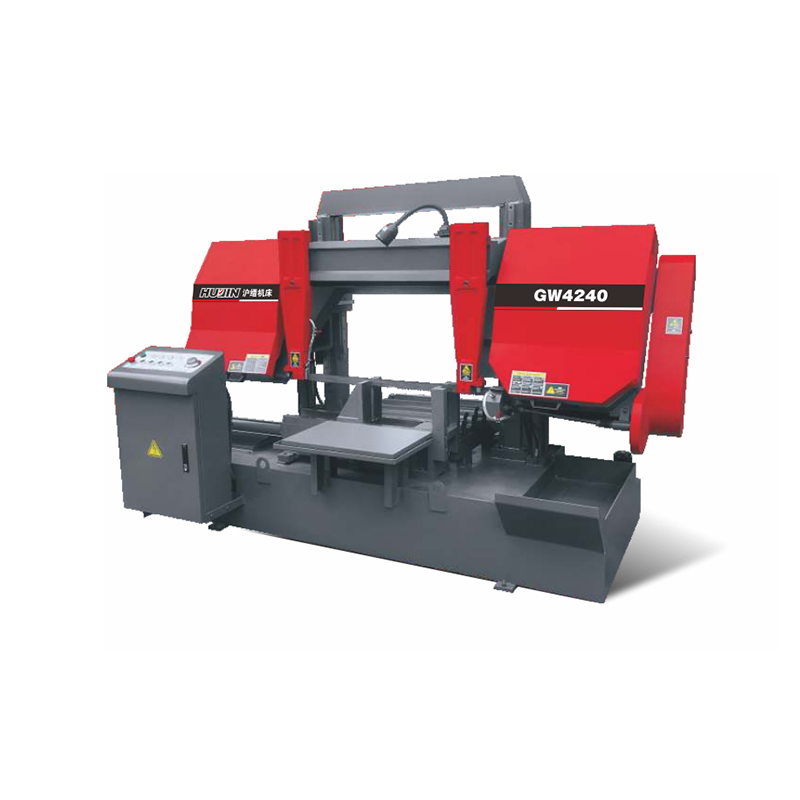
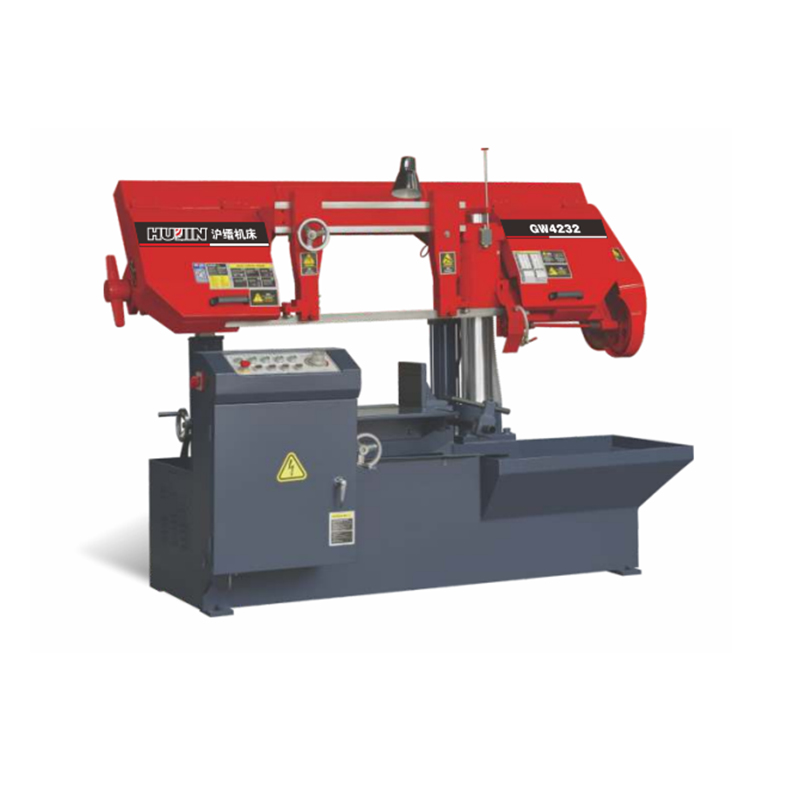
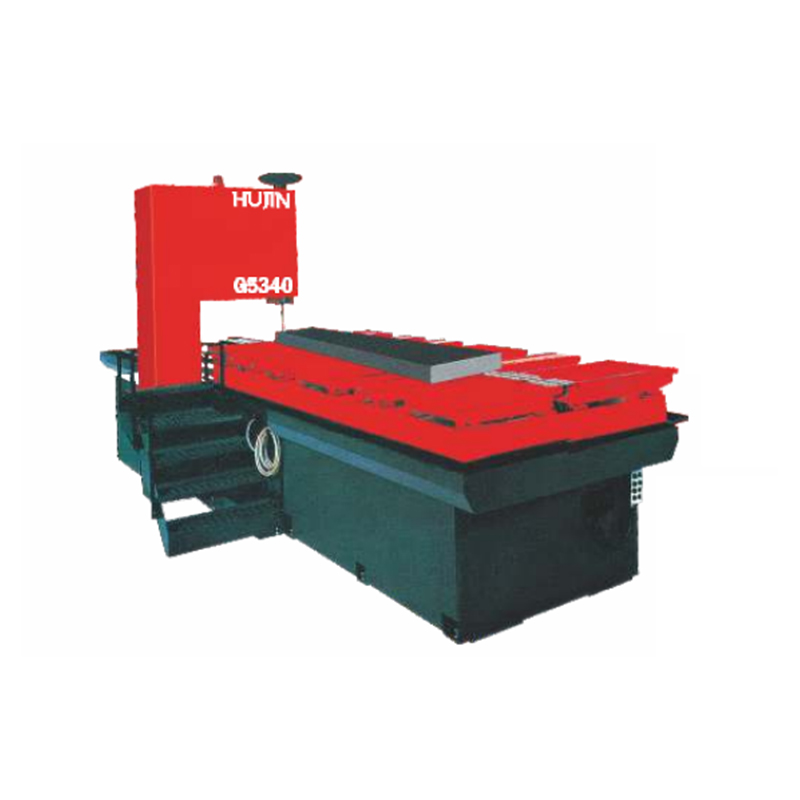
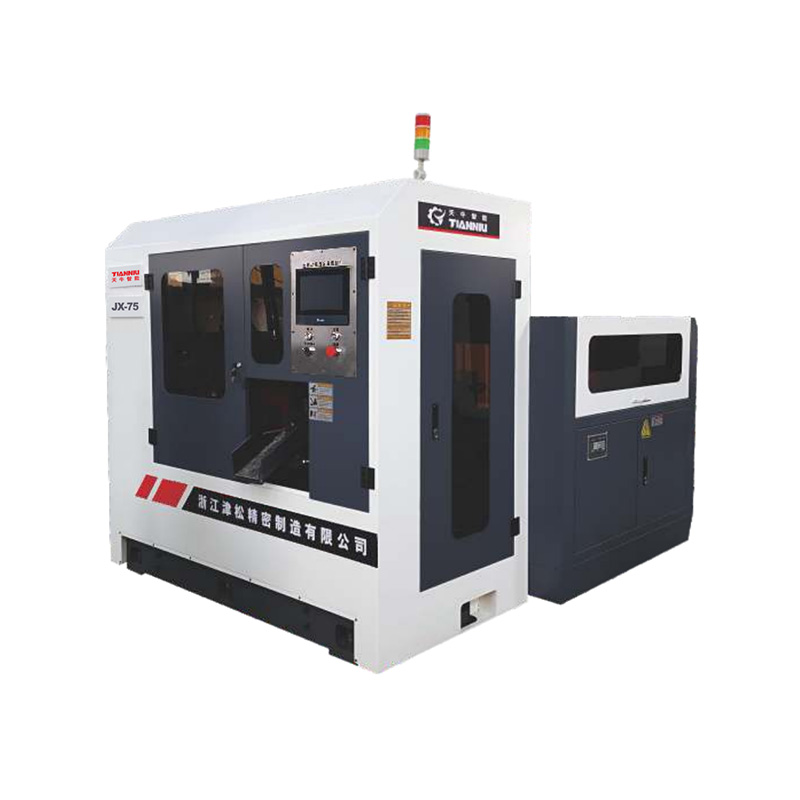
Zhejiang Hujin Machine Tool Co., Ltd. is a professional manufacturer specializing in the production of "Hurein" series hydraulic presses, band saws and milling machines.
Contact Information
phone: +86-18805885558
+86-13395785558
Email: hujin@chinahujin.cn
Add: No. 300, Xingda Road, Jinxiu Industrial Park, Huzhen Town, Jinyun County, Zhejiang Province, China 321404
Mobile Site
© 2023 Zhejiang Hujin Machine Tool Co., Ltd.
Automatic Band Saw Machine Manufacturer
