
Email: hujin@chinahujin.cn
 English
 русский
 عربى
عربى
Author: HUJIN
Date: Mar 20, 2026
Designing Stable Angle Adjustment Systems for Precision Cutting
Importance of a Stable Angle Adjustment Mechanism
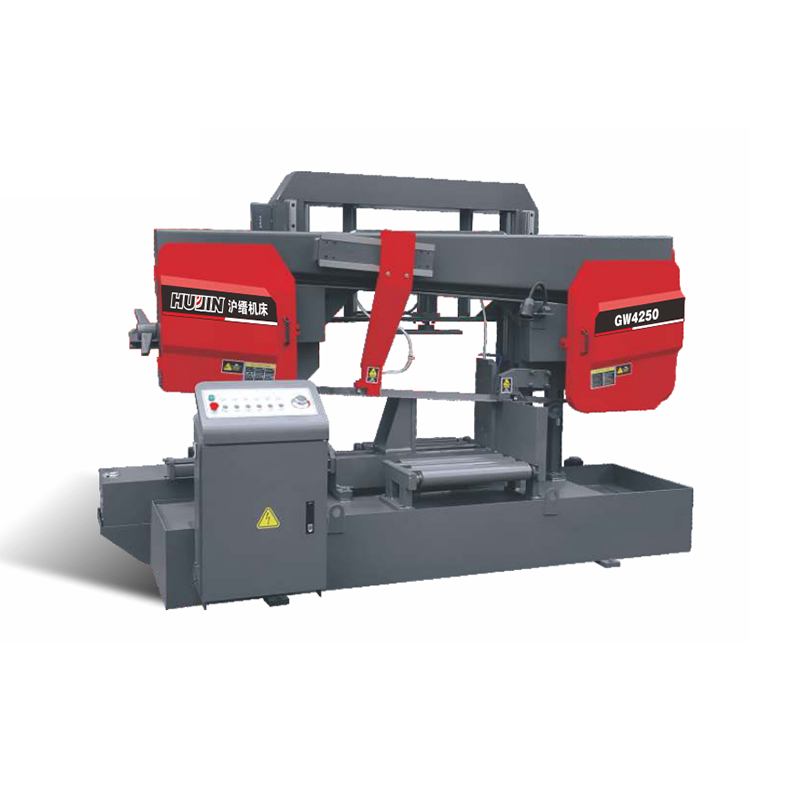
The angle adjustment mechanism is one of the critical components in an Angle Cut Band Saw because it directly determines cutting accuracy and repeatability. When performing angled cuts on metal profiles or structural materials, even a slight deviation in the adjustment system can cause dimensional errors. A well-designed adjustment structure ensures that the selected angle remains consistent throughout the cutting process, preventing shifts caused by vibration or cutting resistance.
Stability begins with the mechanical layout of the adjustment system. The pivot point, locking device, and support structure must work together to maintain rigidity. If the pivot assembly lacks precision or strength, the cutting angle may change during operation. Reliable structural design allows the operator to achieve accurate results without constant recalibration, which improves productivity and reduces material waste.
Precision Pivot and Bearing Design
The pivot mechanism is the foundation of a stable angle adjustment system. A precisely machined pivot ensures smooth rotation and accurate positioning when changing cutting angles. High-quality bearings or bushings help reduce friction and prevent irregular movement during adjustment.
Proper pivot alignment also prevents unwanted movement while cutting. When the pivot axis is well aligned with the saw frame, mechanical stress is distributed evenly. This reduces wear and helps maintain long-term accuracy. Oversized pivot shafts and reinforced mounting points can further enhance stability by preventing deformation under load.
A well-designed pivot system ensures that the Angle Cut Band Saw can maintain precise angular positioning even during heavy-duty cutting tasks.
Rigid Structural Support
Structural rigidity is essential for maintaining angle accuracy. The adjustment mechanism must be supported by a strong frame that resists bending and deformation. Thick steel plates or reinforced frames help maintain alignment under heavy loads.
A rigid structure also improves vibration resistance. Cutting forces generated during operation can cause flexible structures to move slightly, which affects angle accuracy. Strong structural support allows the machine to absorb cutting forces without losing alignment.
Good structural integration ensures that the angle adjustment mechanism works as part of a unified system rather than as an isolated component. This improves overall performance and extends machine life.
Accurate Angle Measurement Systems
Angle measurement systems are another important factor in stability. Clear and precise angle indicators help operators set the correct angle quickly and accurately. Scales should be easy to read and positioned where they are protected from damage.
Advanced machines may include digital angle measurement systems that provide higher accuracy than traditional scales. Digital displays reduce human error and make angle adjustments more reliable. Accurate measurement systems also make it easier to repeat the same settings in future operations.
Consistent measurement contributes to stable cutting performance and reduces setup time in production environments.
Vibration Reduction and Mechanical Balance
Vibration can negatively affect the stability of the angle adjustment mechanism. A well-balanced machine reduces the amount of vibration transmitted to the adjustment components. This helps maintain the selected angle during cutting.
Balanced saw frames and smooth feeding systems reduce mechanical shock. When vibration levels are low, the adjustment mechanism experiences less stress and maintains accuracy for longer periods. Proper mechanical balance also improves blade life and cutting quality.
Reducing vibration is particularly important when working with large workpieces or hard materials, where cutting forces are greater.

CONTACT
Get in touch
Related Products
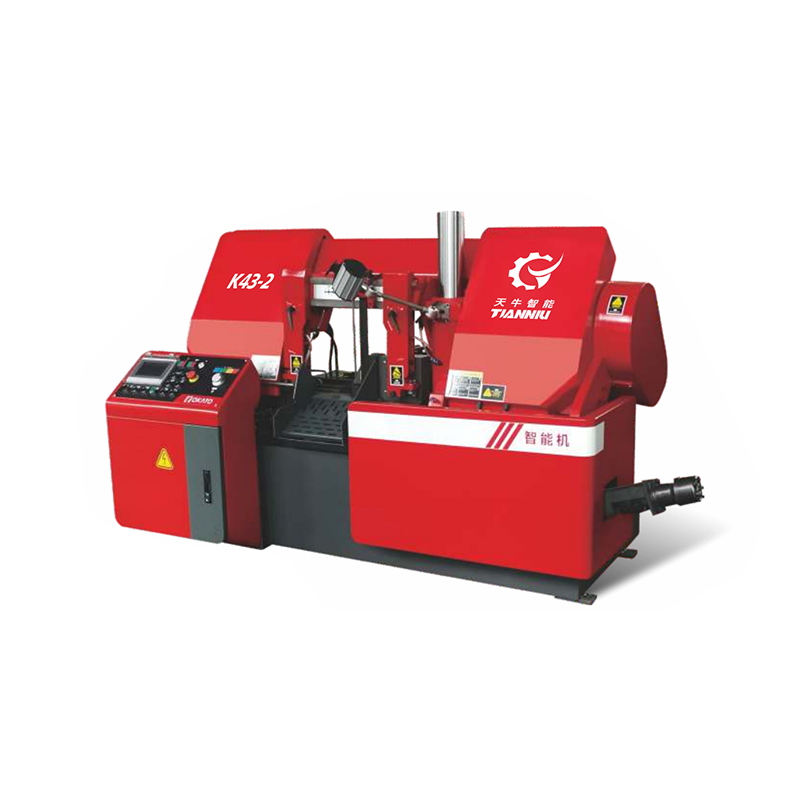
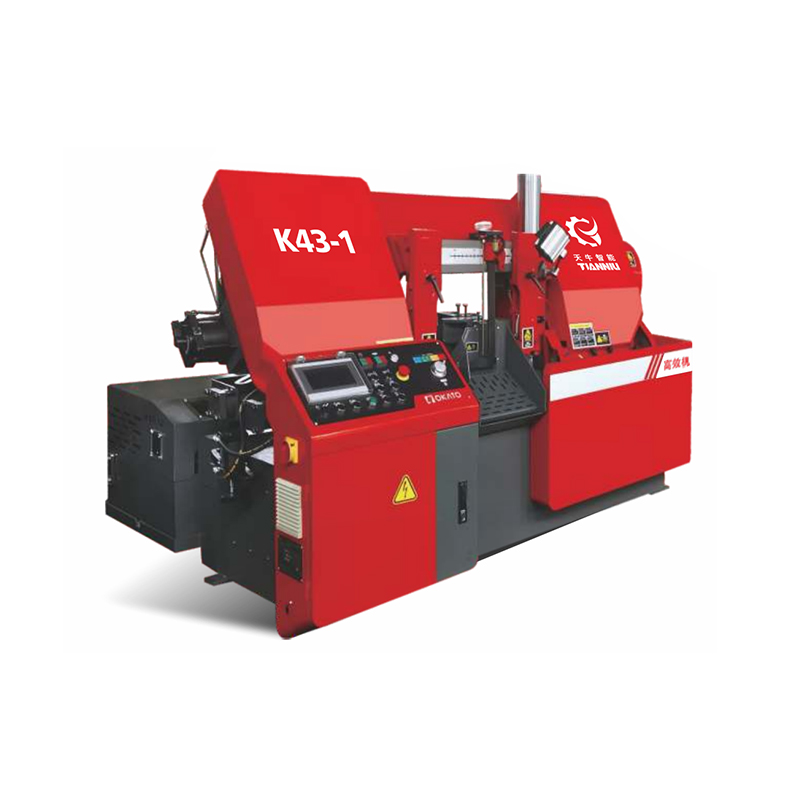
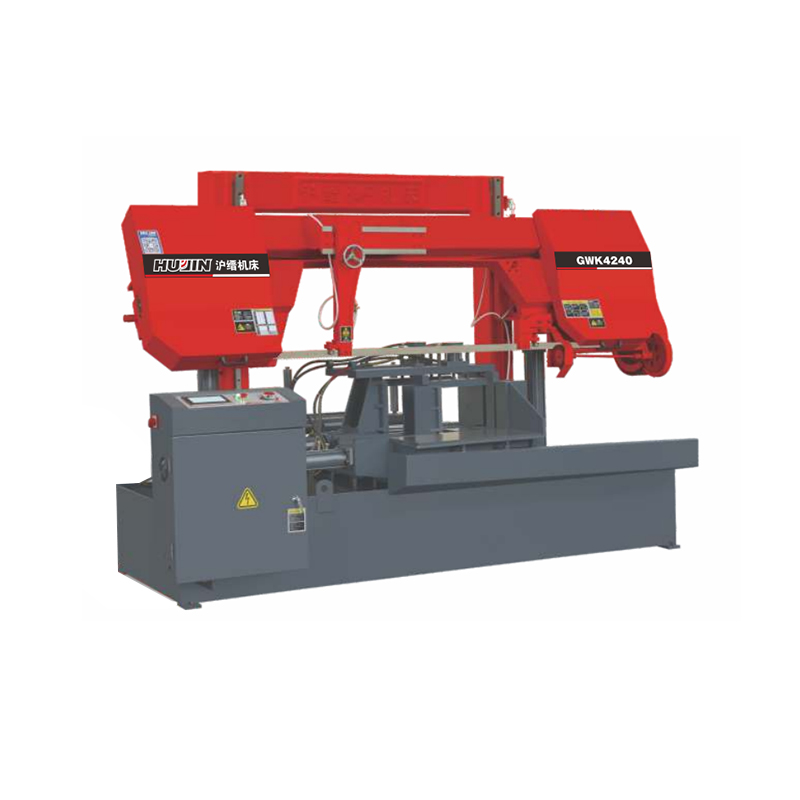
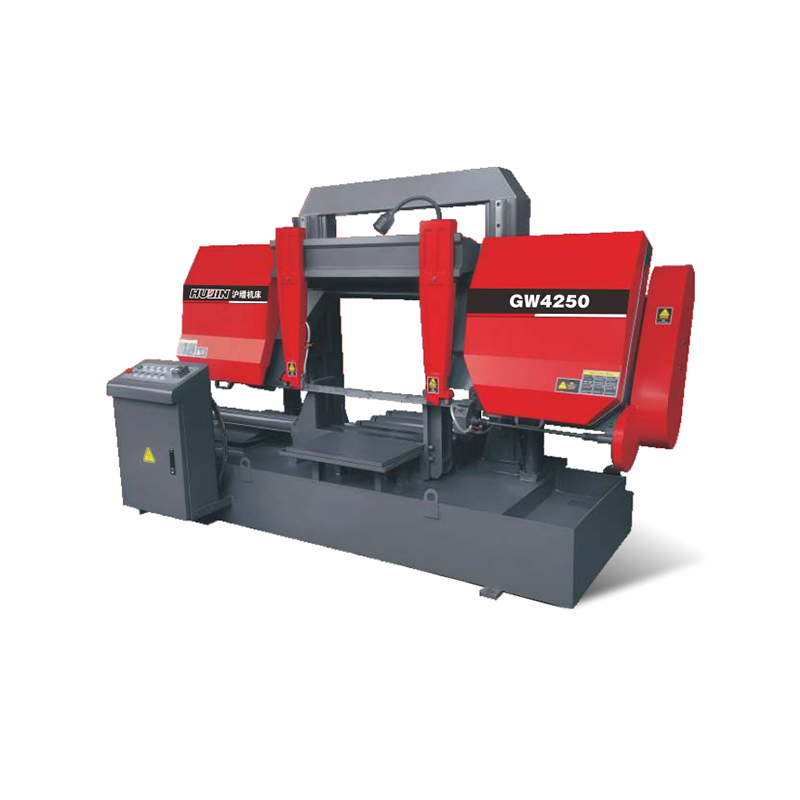
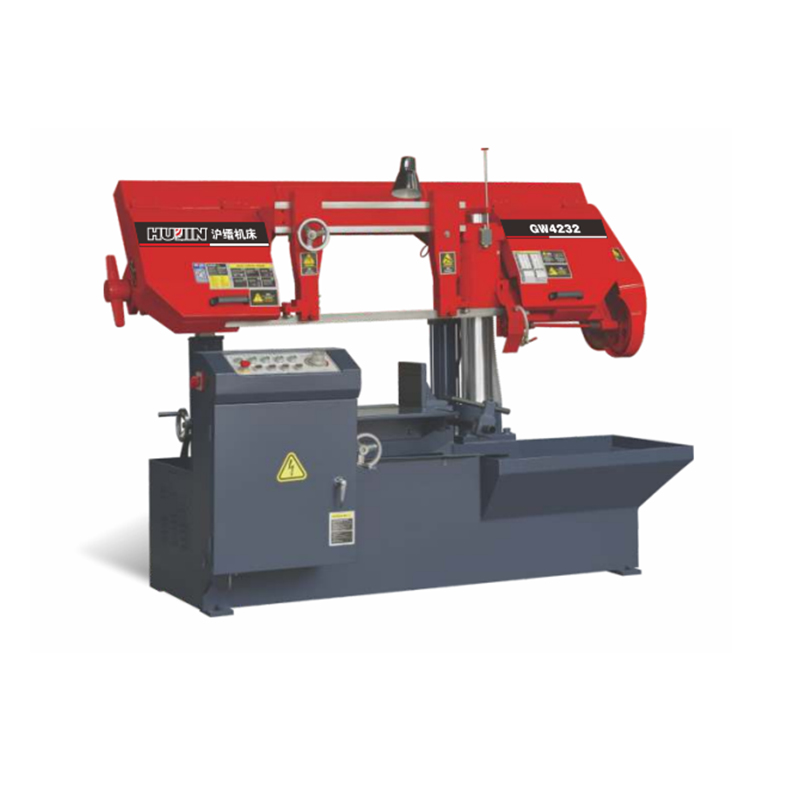
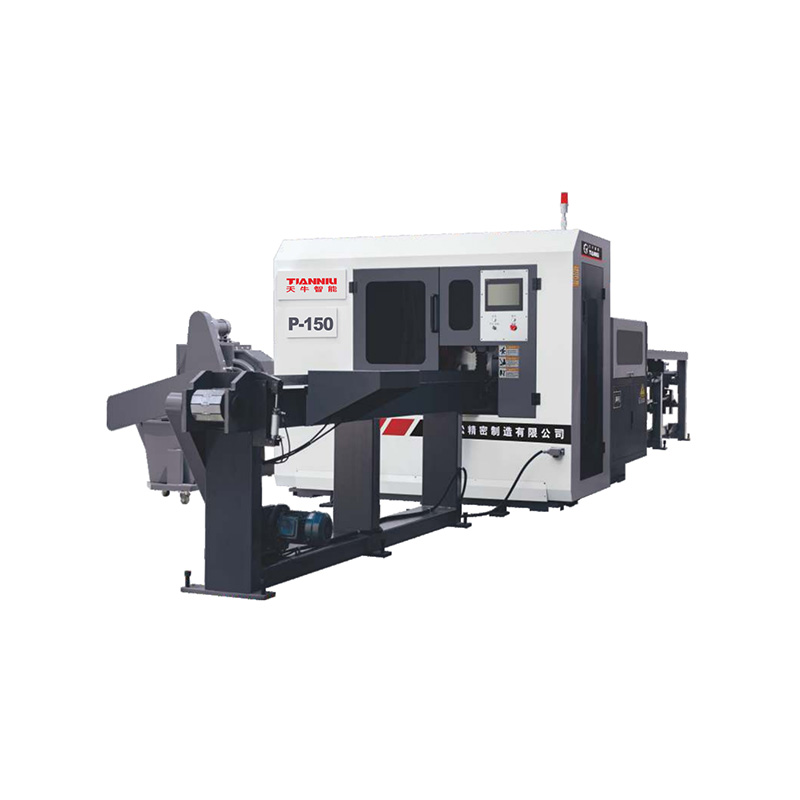
Zhejiang Hujin Machine Tool Co., Ltd. is a professional manufacturer specializing in the production of "Hurein" series hydraulic presses, band saws and milling machines.
Contact Information
phone: +86-18805885558
+86-13395785558
Email: hujin@chinahujin.cn
Add: No. 300, Xingda Road, Jinxiu Industrial Park, Huzhen Town, Jinyun County, Zhejiang Province, China 321404
Mobile Site
© 2023 Zhejiang Hujin Machine Tool Co., Ltd.
Automatic Band Saw Machine Manufacturer
