
Email: hujin@chinahujin.cn
 English
 русский
 عربى
عربى
Author: HUJIN
Date: May 01, 2026
Automatic Feeding in Double Column Band Saw
Introduction to Automatic Feeding
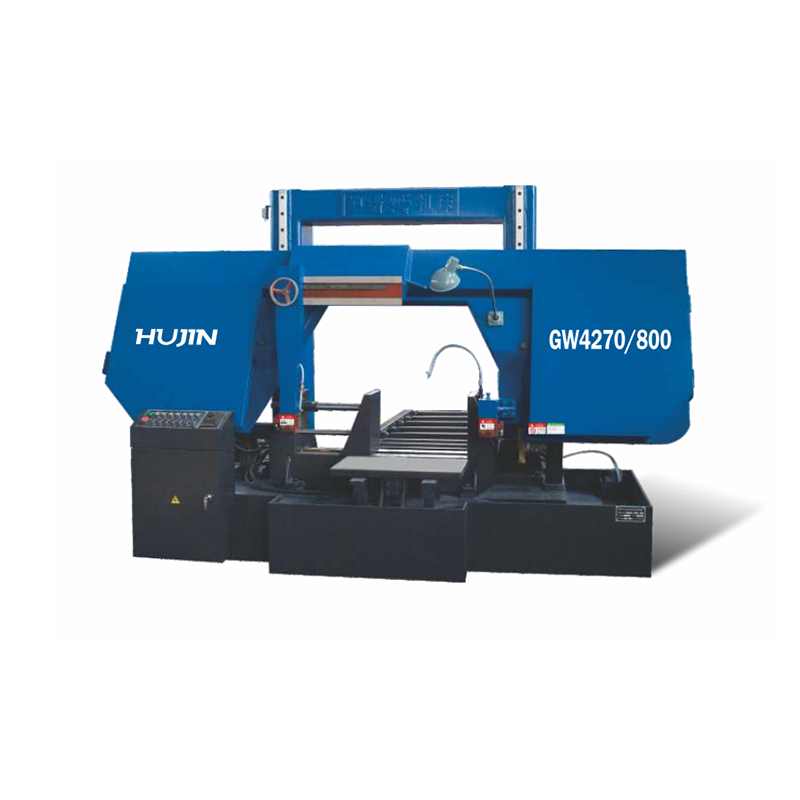
A Double Column Band Saw Factory often highlights automatic feeding as one of the key features of modern double-column band saw machines. Automatic feeding allows the saw to move the workpiece consistently into the cutting area without requiring manual intervention. This functionality improves productivity, reduces labor costs, and ensures more precise and uniform cuts. Understanding how automatic feeding works is essential for operators and manufacturers aiming to improve the machine’s efficiency and accuracy.
Components of the Automatic Feeding System
The automatic feeding system in a double-column band saw consists of several critical components. These typically include a hydraulic or servo-driven feed mechanism, adjustable clamps or vices to hold the workpiece, sensors to detect material position, and a control unit to regulate the feed speed. The hydraulic system provides the force needed to push the workpiece steadily, while the control unit allows the operator to set precise feed rates according to material type and size. Sensors ensure that the workpiece is aligned correctly before entering the cutting area, reducing errors and the risk of blade damage.
How Automatic Feeding Works
Automatic feeding works by combining movement control with material clamping and sensor feedback. The workpiece is secured in the machine’s vise or clamps. Once the cutting cycle begins, the hydraulic or servo system gradually advances the material toward the blade at a consistent rate. Sensors monitor the position of the workpiece to ensure proper alignment and prevent overfeeding. The control system adjusts the feed speed automatically, optimizing cutting efficiency and blade performance. After the cut is complete, the machine may automatically retract the workpiece or prepare for the next cut, allowing continuous operation with operator input.
Benefits of Automatic Feeding
The advantages of automatic feeding in a double-column band saw are numerous. Consistent feed rates reduce uneven wear on the blade and improve cut quality, producing smoother surfaces and more precise dimensions. Automatic feeding also reduces operator fatigue and human error, as manual pushing or alignment is no longer necessary. In high-volume production environments, this feature increases throughput, reduces cycle time, and enhances overall efficiency. Additionally, automatic feeding helps maintain safety by keeping the operator away from the moving blade and workpiece during operation.
Customization and Adjustments
Modern double-column band saws offer adjustable automatic feeding parameters. Feed speed can be modified to suit different material hardness or thickness, and the distance of feed per stroke can be optimized for efficiency and accuracy. Some machines include programmable logic controllers (PLCs) that allow operators to store settings for repetitive cuts, reducing setup time for production runs. By adjusting these parameters, operators can balance cutting speed, blade life, and surface finish quality to match specific production requirements.
Maintenance Considerations
To ensure the smooth operation of the automatic feeding system, regular maintenance is required. Hydraulic components need periodic inspection for leaks or pressure loss, while sensors must be kept clean and calibrated to maintain accuracy. Lubrication of moving parts reduces friction and prolongs system life. Following a proper maintenance schedule ensures that automatic feeding continues to function reliably, reducing downtime and maintaining consistent cutting performance.
Automatic feeding in a Double Column Band Saw Factory setting significantly enhances productivity, accuracy, and safety. By integrating hydraulic or servo-driven feed mechanisms, precise sensors, and advanced control systems, these machines provide consistent and efficient material handling during cutting operations. Proper use, adjustment, and maintenance of the feeding system enable operators to maximize the benefits of automation, achieving higher throughput, reduced labor, and improved cut quality in various industrial applications.

CONTACT
Get in touch
Related Products
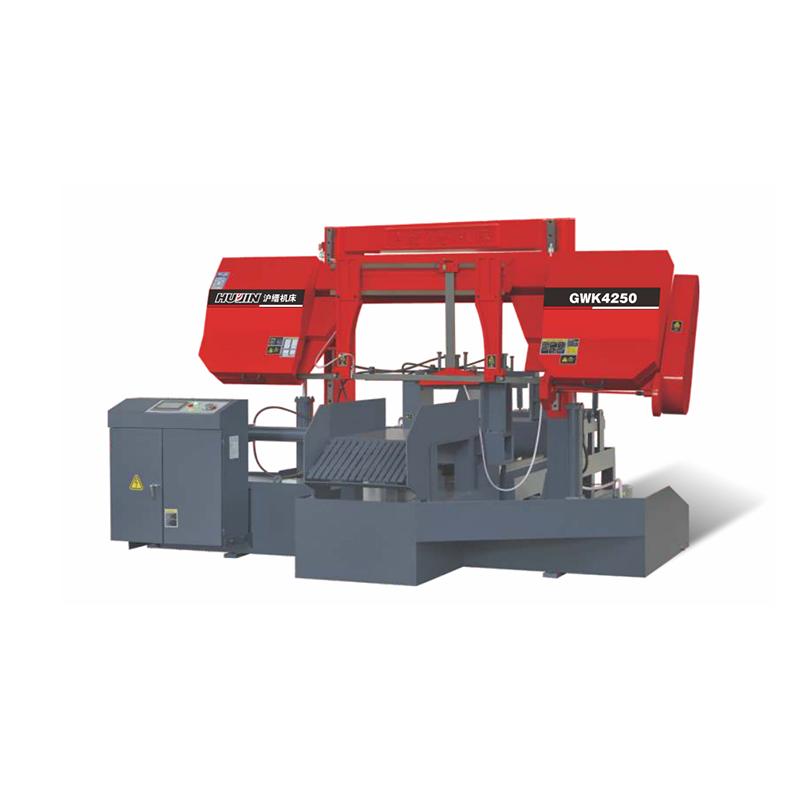
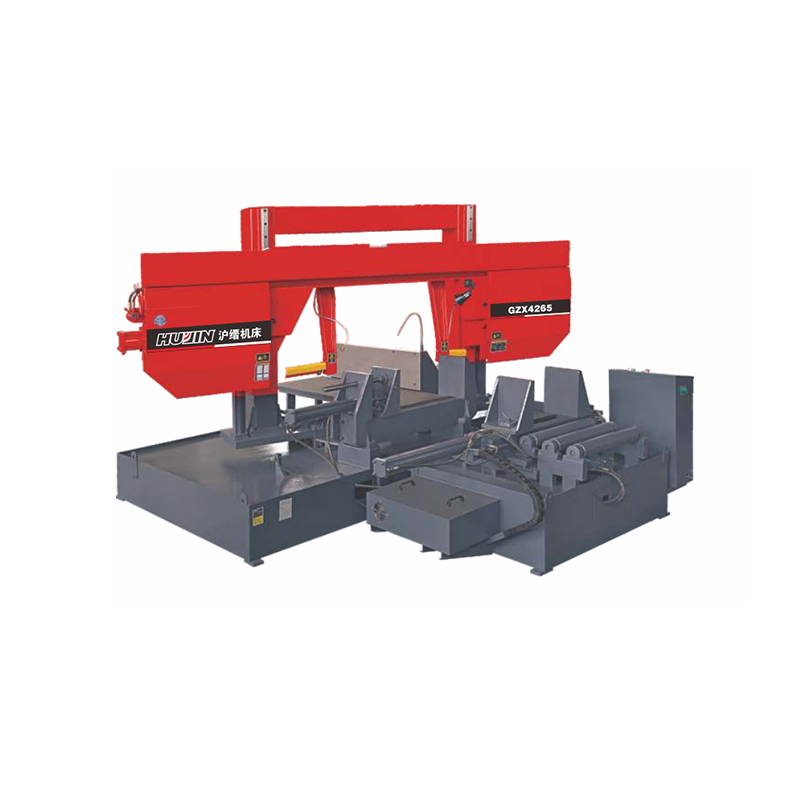
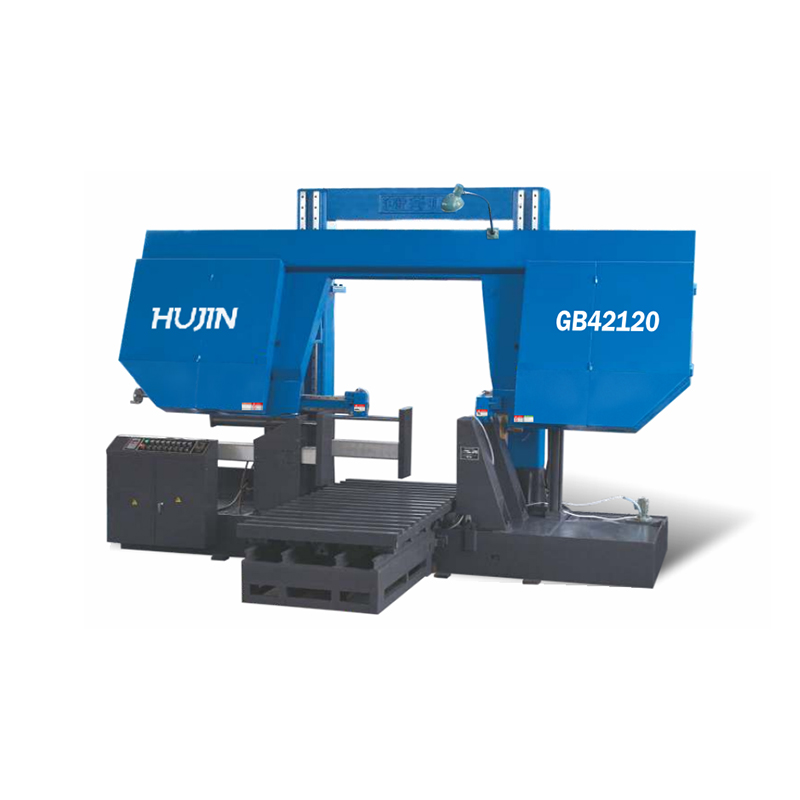
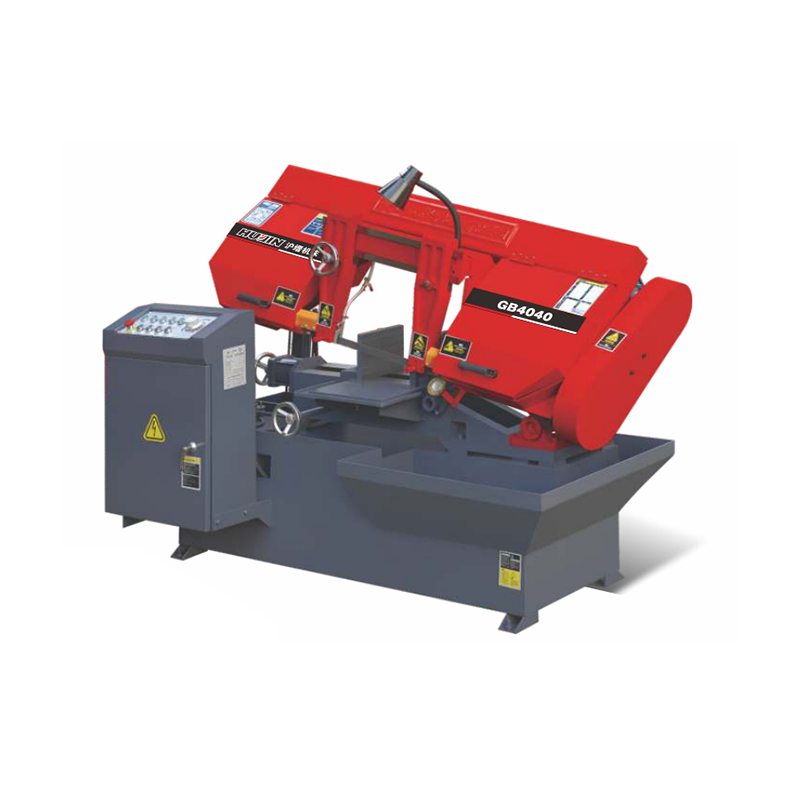
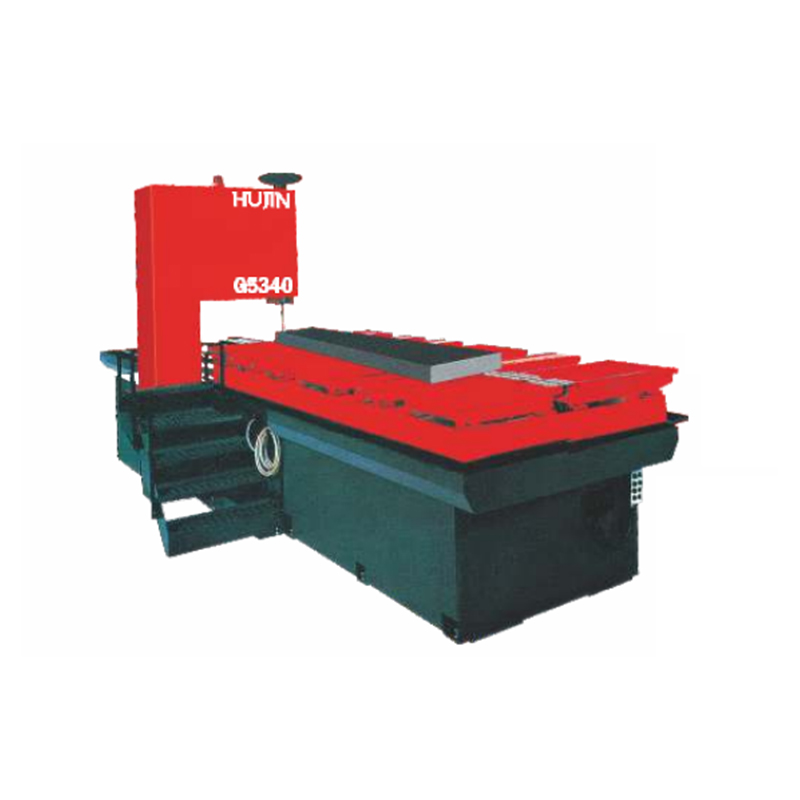
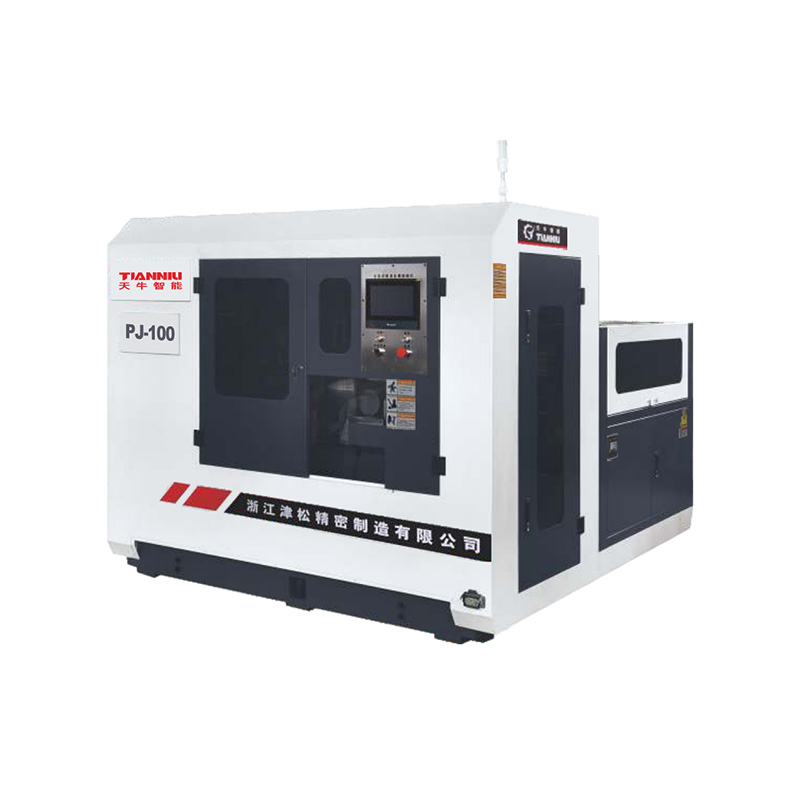
Zhejiang Hujin Machine Tool Co., Ltd. is a professional manufacturer specializing in the production of "Hurein" series hydraulic presses, band saws and milling machines.
Contact Information
phone: +86-18805885558
+86-13395785558
Email: hujin@chinahujin.cn
Add: No. 300, Xingda Road, Jinxiu Industrial Park, Huzhen Town, Jinyun County, Zhejiang Province, China 321404
Mobile Site
© 2023 Zhejiang Hujin Machine Tool Co., Ltd.
Automatic Band Saw Machine Manufacturer
