
Email: hujin@chinahujin.cn
 English
 русский
 عربى
عربى
Author: HUJIN
Date: Apr 24, 2026
Improving the Efficiency of Scissor Band Saw
Understanding Scissor Band Saw Efficiency
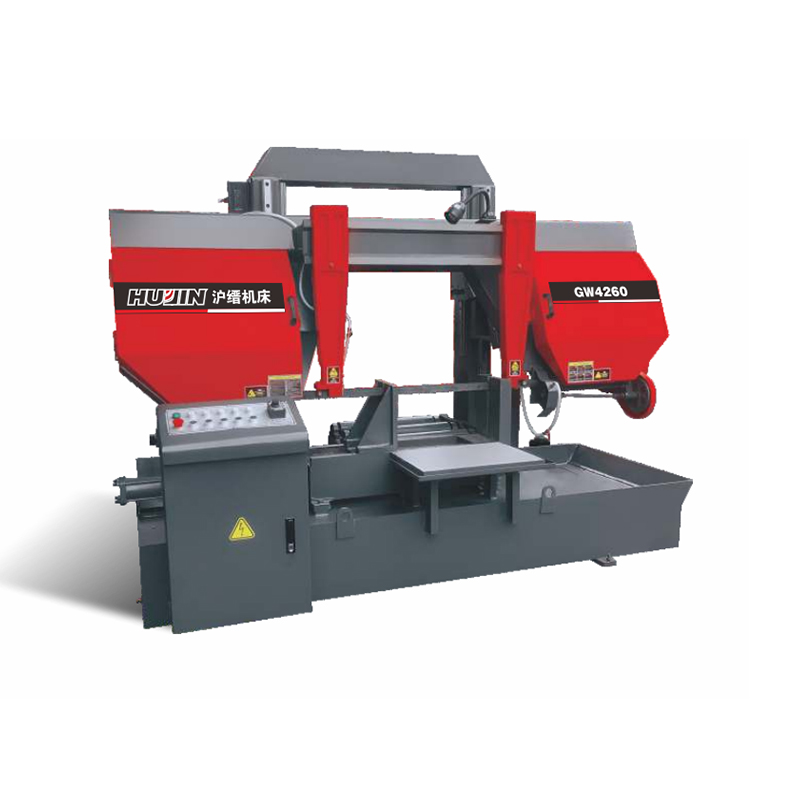
A Scissor Band Saw is widely used in metal cutting operations due to its compact design, ease of use, and cost-effectiveness. However, achieving high cutting efficiency depends on more than just the machine itself. Efficiency in this context refers to faster cutting speeds, consistent precision, reduced downtime, and suitable blade performance. Understanding how to improve efficiency not only enhances productivity but also reduces operational costs and extends the lifespan of the equipment.
Optimizing Blade Selection
One of the important factors in improving cutting efficiency is selecting the right blade. Different materials require different blade types, tooth pitches, and coatings. For example, cutting hard metals such as stainless steel requires a durable blade with fine teeth, while softer materials like aluminum benefit from coarser tooth configurations. Using an inappropriate blade can slow down the cutting process and cause premature wear. Regular inspection and timely replacement of worn blades ensure that the scissor band saw operates at good performance.
Adjusting Cutting Speed and Feed Rate
Proper adjustment of cutting speed and feed rate is essential for improving efficiency. The cutting speed should match the material type, as harder materials require slower speeds while softer ones allow for faster operation. The feed rate, which controls how quickly the blade moves through the material, should be balanced to avoid excessive pressure or blade slipping. A well-calibrated combination of speed and feed rate ensures smooth cutting, reduces friction, and prevents overheating. Operators should monitor these parameters closely and make adjustments based on real-time performance.
Maintaining Machine Stability
Machine stability plays a crucial role in cutting efficiency. A stable scissor band saw reduces vibration, ensuring that the blade remains aligned and cuts smoothly. Proper installation on a level surface, regular tightening of components, and periodic inspection of the frame contribute to overall stability. Reduced vibration not only improves cutting accuracy but also allows the machine to operate at higher speeds without compromising performance. Stability is particularly important when cutting large or heavy workpieces.
Enhancing Cooling and Lubrication
Cooling and lubrication systems are vital for maintaining efficiency during cutting operations. Friction between the blade and the material generates heat, which can reduce cutting speed and damage the blade. Using appropriate cutting fluids or coolants helps dissipate heat and reduce friction, allowing the blade to move more efficiently. Proper lubrication also prevents material buildup on the blade teeth, ensuring consistent cutting performance. Regular maintenance of the cooling system ensures uninterrupted operation and prolongs blade life.
Reducing Downtime Through Maintenance
Routine maintenance is essential for keeping a scissor band saw running efficiently. This includes cleaning the machine, checking blade tension, inspecting guides, and replacing worn components. Preventive maintenance reduces the likelihood of unexpected breakdowns, which can significantly impact productivity. Keeping spare parts readily available and following a maintenance schedule ensures that the machine remains in suitable condition. Reduced downtime translates directly into improved overall efficiency.
Improving the efficiency of a Scissor Band Saw involves a combination of proper blade selection, optimized cutting parameters, stable machine setup, effective cooling, regular maintenance, and skilled operation. By focusing on these key factors, businesses can achieve faster cutting speeds, better accuracy, and reduced operational costs. A well-maintained and properly operated scissor band saw not only enhances productivity but also ensures long-term reliability and consistent performance in various cutting applications.

CONTACT
Get in touch
Related Products
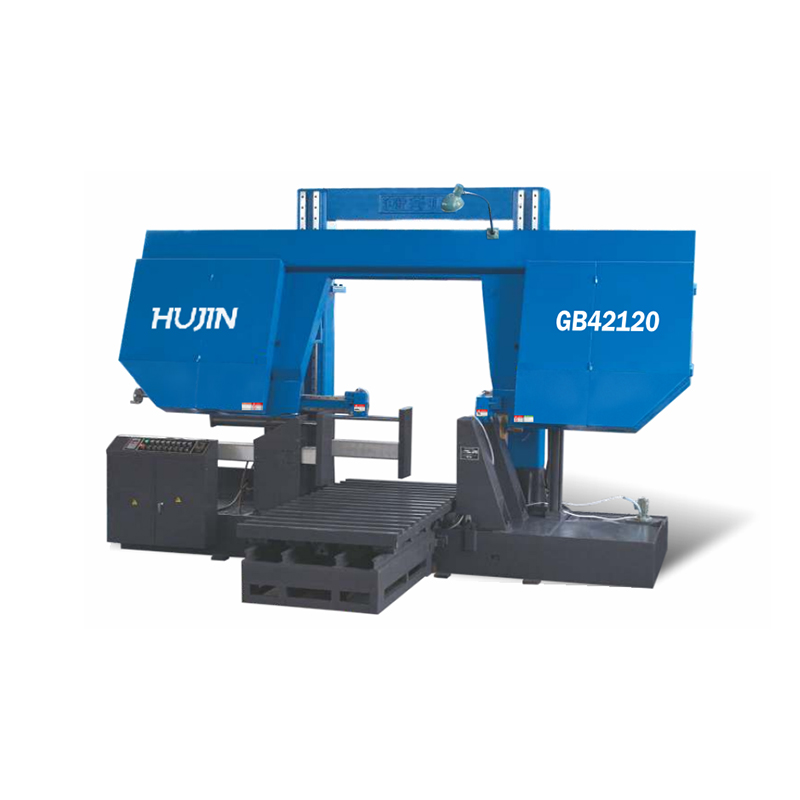
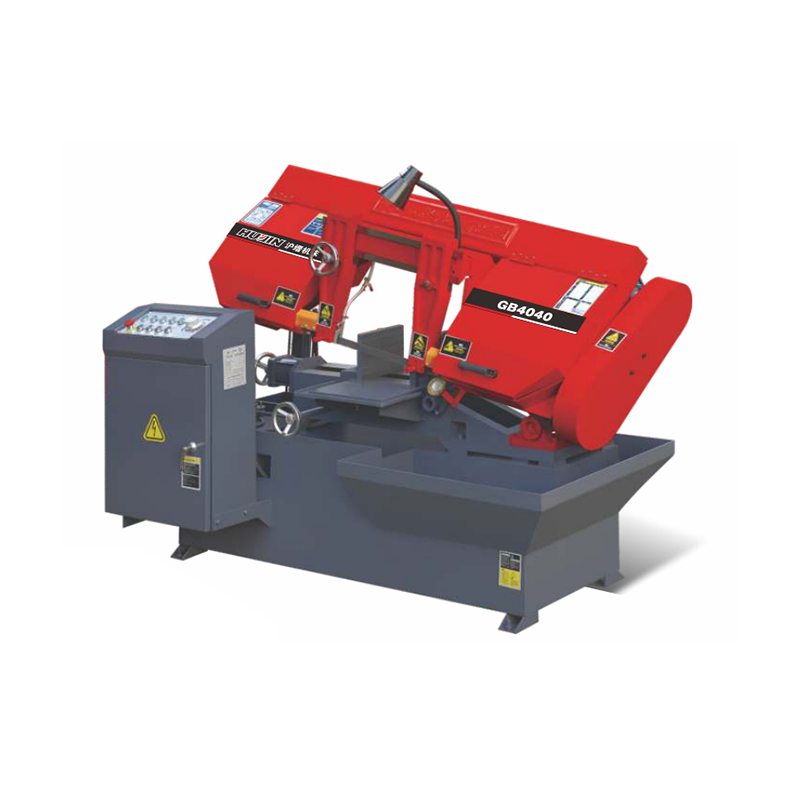
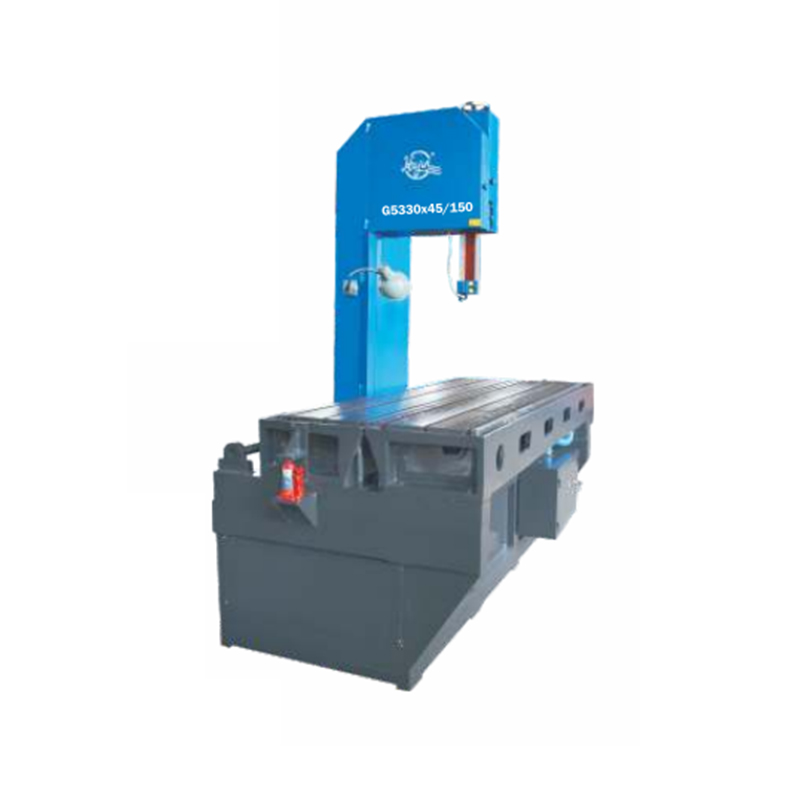
Zhejiang Hujin Machine Tool Co., Ltd. is a professional manufacturer specializing in the production of "Hurein" series hydraulic presses, band saws and milling machines.
Contact Information
phone: +86-18805885558
+86-13395785558
Email: hujin@chinahujin.cn
Add: No. 300, Xingda Road, Jinxiu Industrial Park, Huzhen Town, Jinyun County, Zhejiang Province, China 321404
Mobile Site
© 2023 Zhejiang Hujin Machine Tool Co., Ltd.
Automatic Band Saw Machine Manufacturer
