
Email: hujin@chinahujin.cn
 English
 русский
 عربى
عربى
Author: HUJIN
Date: Dec 19, 2025
Cutting Speed and Efficiency of the Semi-Automatic Band Saw
Overview of Semi-Automatic Band Saw Performance
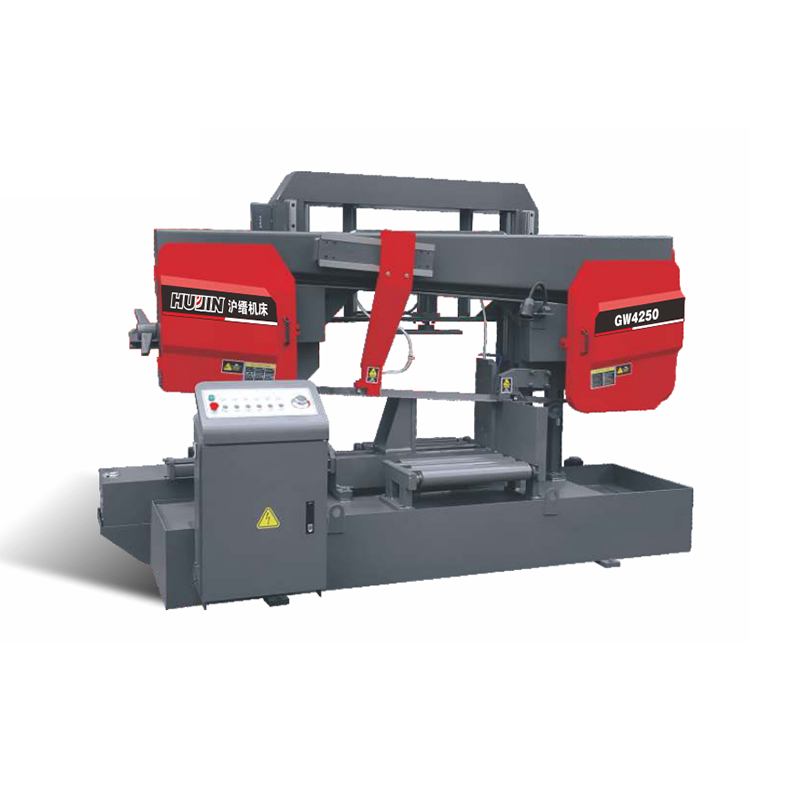
A Semi-Automatic Band Saw is widely used in industrial settings due to its combination of precision, control, and operational flexibility. When cutting hard metals, the machine’s performance in terms of cutting speed and efficiency is influenced by multiple factors, including blade quality, feed rate, material properties, and machine rigidity. Understanding how these elements interact is essential for achieving suitable productivity without compromising safety or precision.
Blade Selection and Quality
The choice of blade significantly affects the cutting speed of a Semi-Automatic Band Saw. High-speed steel (HSS) blades, carbide-tipped blades, or bi-metal blades are commonly used for hard metals. The tooth geometry, pitch, and hardness of the blade determine the rate at which the material is removed. For example, a finer tooth pitch may produce smoother cuts but slower feed rates, whereas a coarser pitch allows faster material removal but may generate heat and reduce blade life. Selecting the appropriate blade tailored to the hardness and thickness of the metal is key to maintaining both speed and cutting efficiency.
Feed Rate and Cutting Pressure
The feed rate in a Semi-Automatic Band Saw must be carefully controlled to match the hardness of the metal being cut. Excessive feed can overload the blade, causing premature wear, overheating, and potential blade failure, which reduces overall efficiency. Conversely, an insufficient feed rate may slow production and increase cycle time. Many semi-automatic machines allow adjustable feed control, enabling operators to optimize the pressure applied to the workpiece. Maintaining consistent pressure throughout the cut ensures uniform performance and prolongs blade life, directly influencing cutting efficiency.
Machine Rigidity and Stability
Rigid machine construction is essential for cutting hard metals at higher speeds. A Semi-Automatic Band Saw with a stable frame, precision guide rails, and vibration allows for faster cutting without compromising accuracy. Vibrations or deflection can cause uneven cuts, increased wear on the blade, and reduced cutting efficiency. Ensuring proper alignment of the blade and guides, as well as routine maintenance of mechanical components, enhances the machine’s ability to sustain high-speed operation under demanding conditions.
Cooling and Lubrication
Efficient cooling and lubrication are critical when cutting hard metals to maintain speed and prevent heat buildup. Coolants reduce friction between the blade and workpiece, dissipate heat, and extend blade life. Proper application of cutting fluid also improves the surface finish of the cut and prevents material adhesion to the blade, which can slow down operations. Incorporating a controlled coolant system helps operators maintain consistent cutting performance, even during prolonged or repetitive cuts.
Material Considerations
The hardness, thickness, and composition of the metal being cut directly affect the achievable cutting speed. Harder materials, such as stainless steel or tool steel, require slower feed rates and increased cooling, while softer alloys may allow faster cuts. Understanding these material characteristics enables operators to adjust machine parameters appropriately, balancing speed and efficiency without sacrificing precision.
The cutting speed and efficiency of a Semi-Automatic Band Saw when working with hard metals depend on a combination of blade selection, feed control, machine rigidity, cooling, and material properties. Optimizing these factors allows for higher productivity, consistent accuracy, and prolonged blade life. By carefully managing each variable, operators can achieve an effective balance between speed and efficiency, making the semi-automatic band saw a reliable solution for industrial metal cutting applications.

CONTACT
Get in touch
Related Products
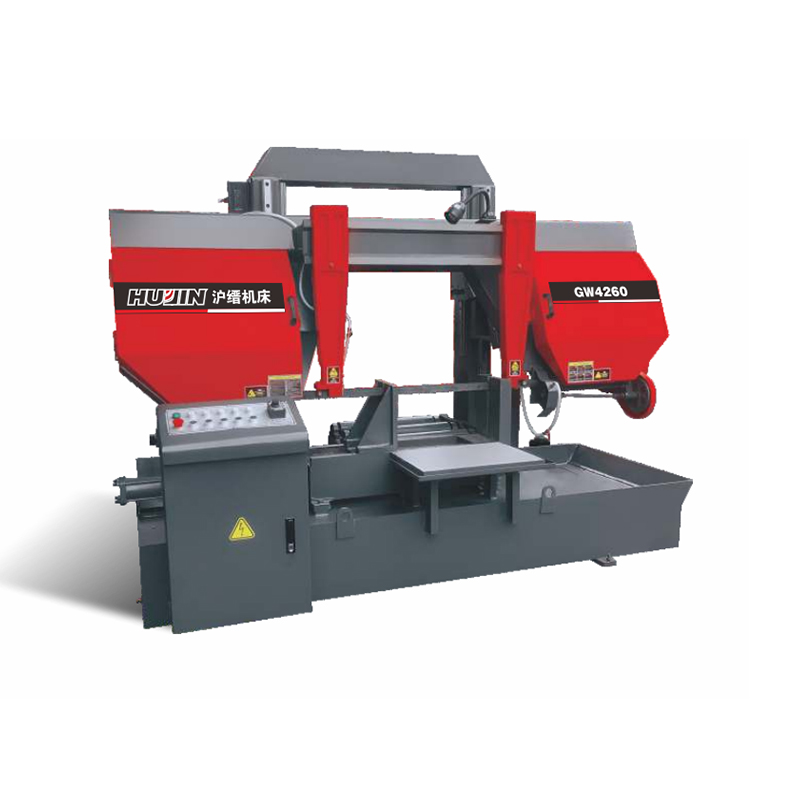
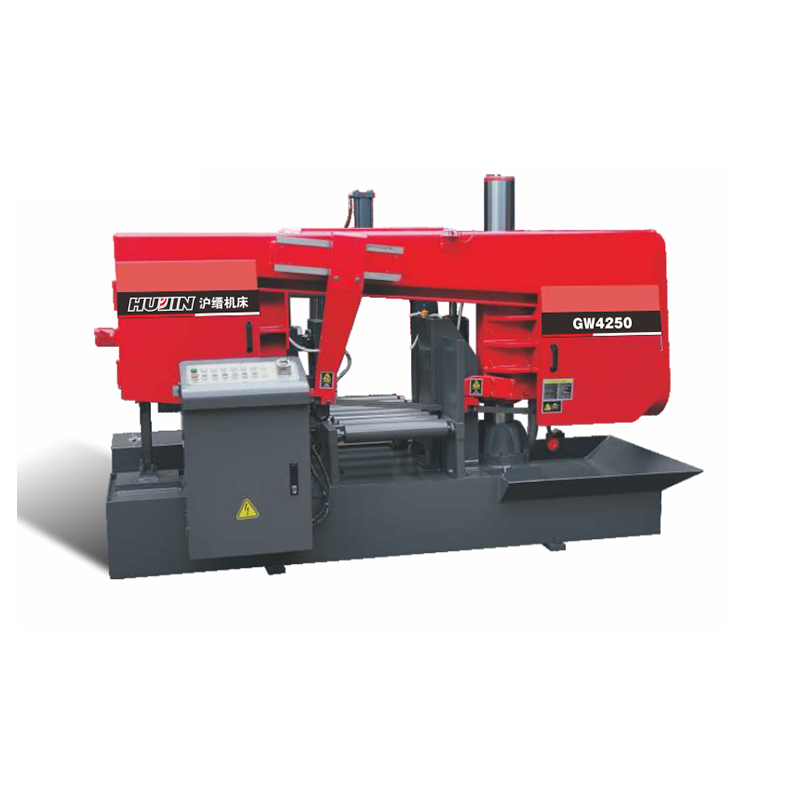
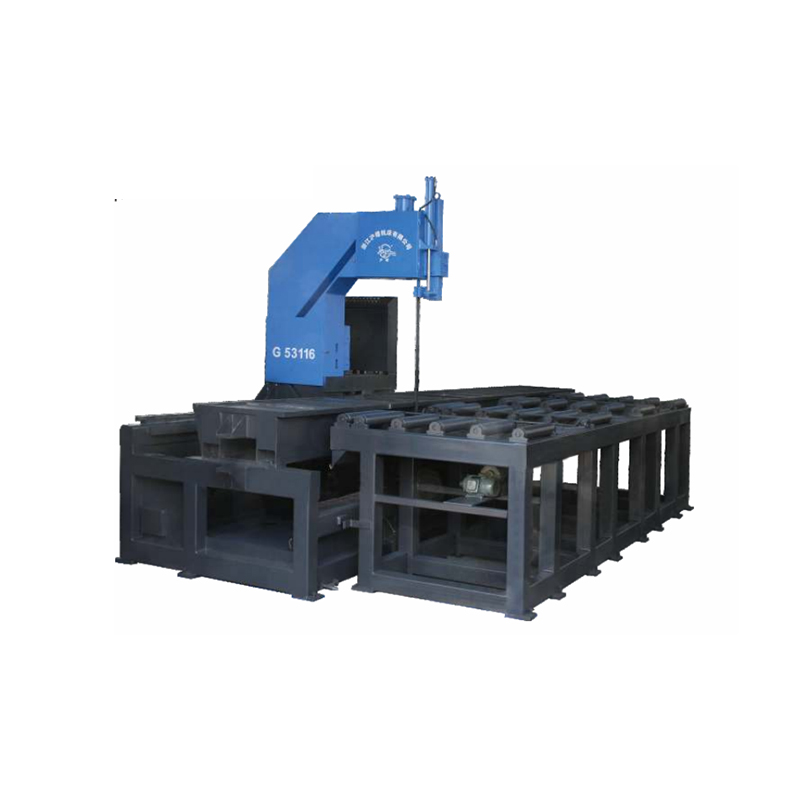
Zhejiang Hujin Machine Tool Co., Ltd. is a professional manufacturer specializing in the production of "Hurein" series hydraulic presses, band saws and milling machines.
Contact Information
phone: +86-18805885558
+86-13395785558
Email: hujin@chinahujin.cn
Add: No. 300, Xingda Road, Jinxiu Industrial Park, Huzhen Town, Jinyun County, Zhejiang Province, China 321404
Mobile Site
© 2023 Zhejiang Hujin Machine Tool Co., Ltd.
Automatic Band Saw Machine Manufacturer
