
Email: hujin@chinahujin.cn
 English
 русский
 عربى
عربى
Author: HUJIN
Date: Dec 12, 2025
Ensuring Smooth Cutting with a Circular Saw and With Band Saw
Mechanism of the Circular Saw and With Band Saw
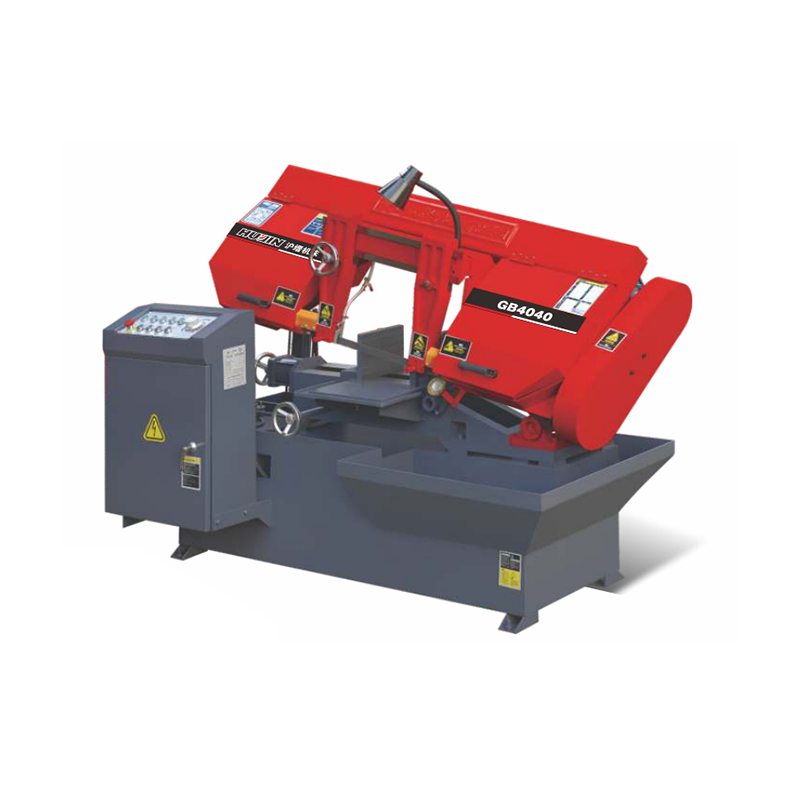
A Circular Saw With Band Saw combines the advantages of both circular and band sawing techniques, allowing operators to achieve precise and efficient cutting. The circular saw provides high-speed rotational cutting, while the band saw ensures continuous, uniform cutting along the material. Understanding the fundamental mechanism of this hybrid machine is crucial for achieving smooth cuts. Proper alignment of the saw blades, stable mounting, and accurate calibration of the feed system all contribute to the cutting performance. Without attention to these factors, vibrations, uneven pressure, or misalignment can result in rough edges or inconsistent dimensions.
Importance of Blade Quality and Maintenance
Blade quality directly influences the smoothness of cuts. High-quality, sharp blades with proper tooth geometry reduce resistance during cutting and prevent the material from binding or chipping. Regular maintenance, such as cleaning debris, checking for wear, and ensuring correct tension in the band saw blade, is essential. A dull or damaged blade generates more heat and vibration, which significantly reduces cutting stability. Therefore, consistent inspection and timely replacement of worn blades are critical measures to maintain the smooth cutting performance of the machine.
Stabilizing the Material and Workpiece Feed
One of the key factors in achieving smooth cutting is ensuring that the workpiece remains stable throughout the process. Proper clamping, using guides, and adjusting feed speed are essential practices. Feeding the material too quickly can cause blade deflection, uneven cuts, or burn marks, while feeding too slowly may cause excessive friction and heat buildup. Many modern machines feature adjustable feed mechanisms that allow operators to set suitable feed rates based on the material type, thickness, and blade characteristics. Correctly managing the workpiece feed ensures uniform pressure on the cutting edge, which directly improves surface finish and dimensional accuracy.
Reducing Vibration and Mechanical Stress
Vibration is a common cause of uneven cuts in hybrid saws. To reduce vibration, the machine should be securely mounted on a stable foundation. Internal components, including bearings, guide rails, and tensioning systems, must be regularly lubricated and aligned. Reducing mechanical stress on the blades and feed system not only prolongs the machine’s lifespan but also contributes to smoother cutting. Some machines are equipped with vibration-damping systems or shock absorbers to further enhance stability during high-speed operation.
Optimizing Operational Parameters
Operators must also consider operational parameters such as rotational speed, blade tension, and cutting angles. Adjusting the circular saw’s RPM and the band saw’s tension according to material type and thickness ensures a cleaner cut with tear-out. Additionally, monitoring the temperature and lubrication during cutting prevents overheating and blade deformation. Combining these adjustments with careful alignment and feed management allows for consistently smooth, high-quality cuts.
Achieving smooth cutting with a Circular Saw or band Saw requires attention to multiple factors, including blade quality, machine alignment, feed stability, vibration control, and operational parameters. By maintaining these elements and adhering to regular maintenance routines, operators can ensure high precision, uniform cuts, and prolonged machine performance. Ultimately, the integration of careful operation and proper mechanical setup forms the foundation for good cutting outcomes.

CONTACT
Get in touch
Related Products
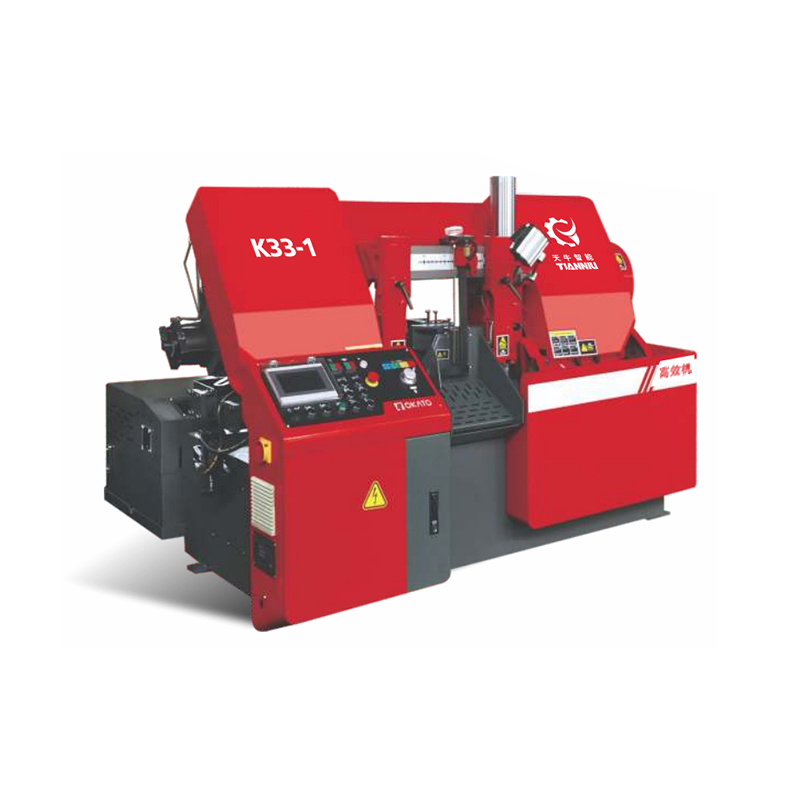
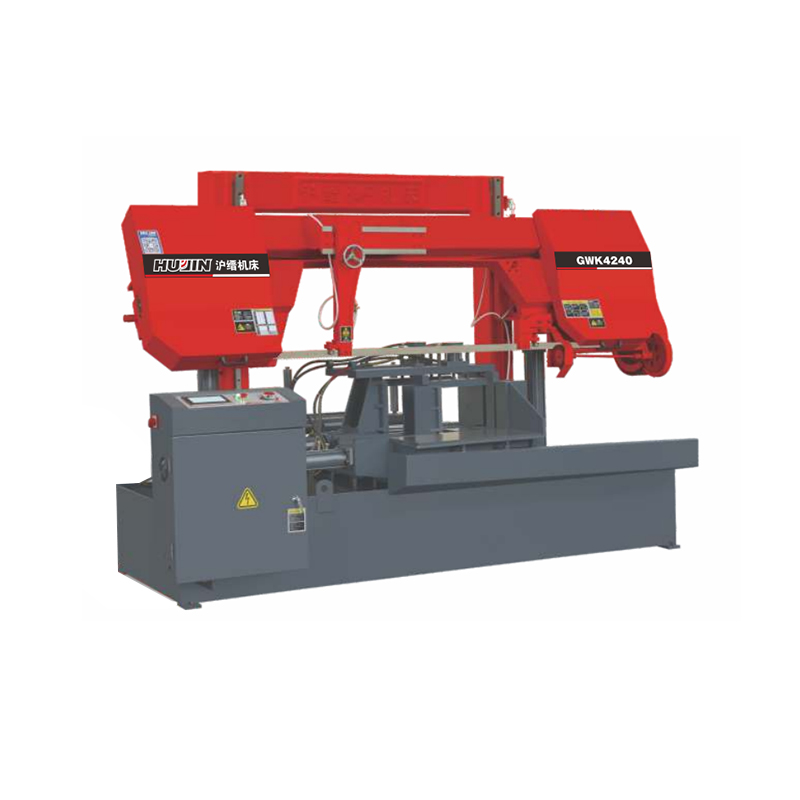
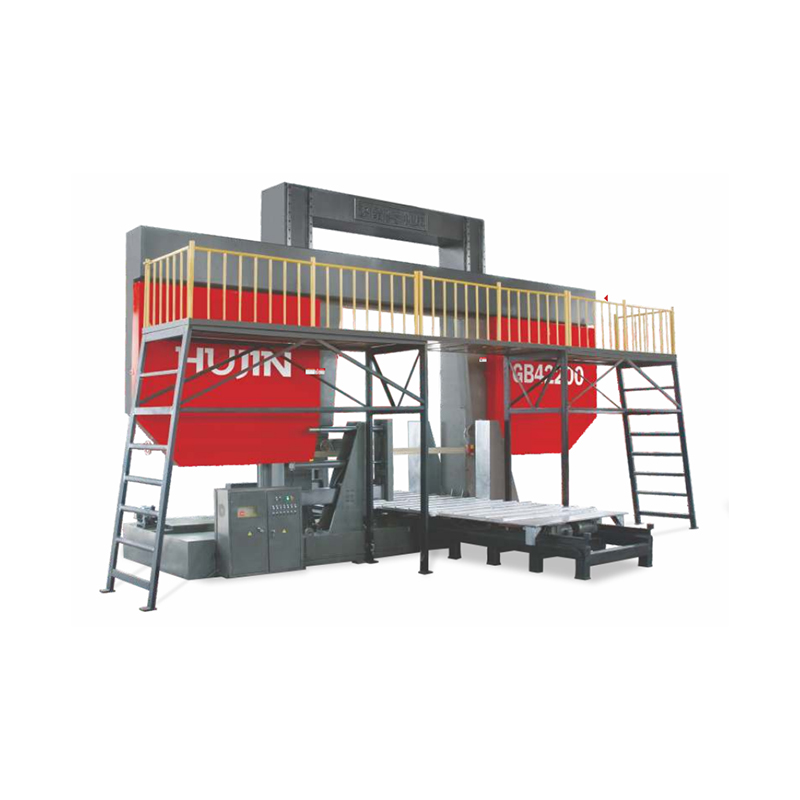
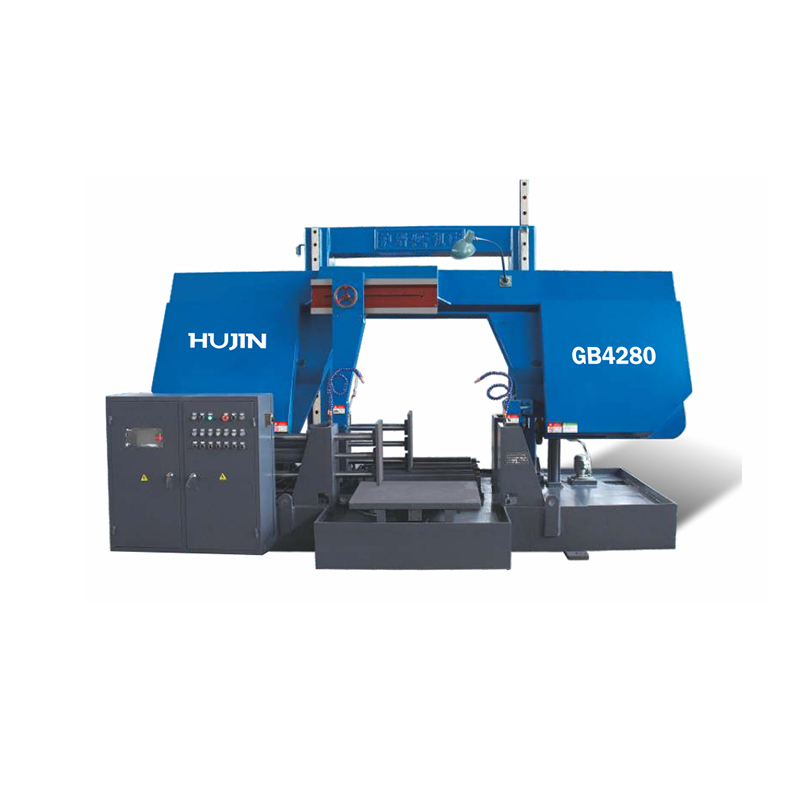
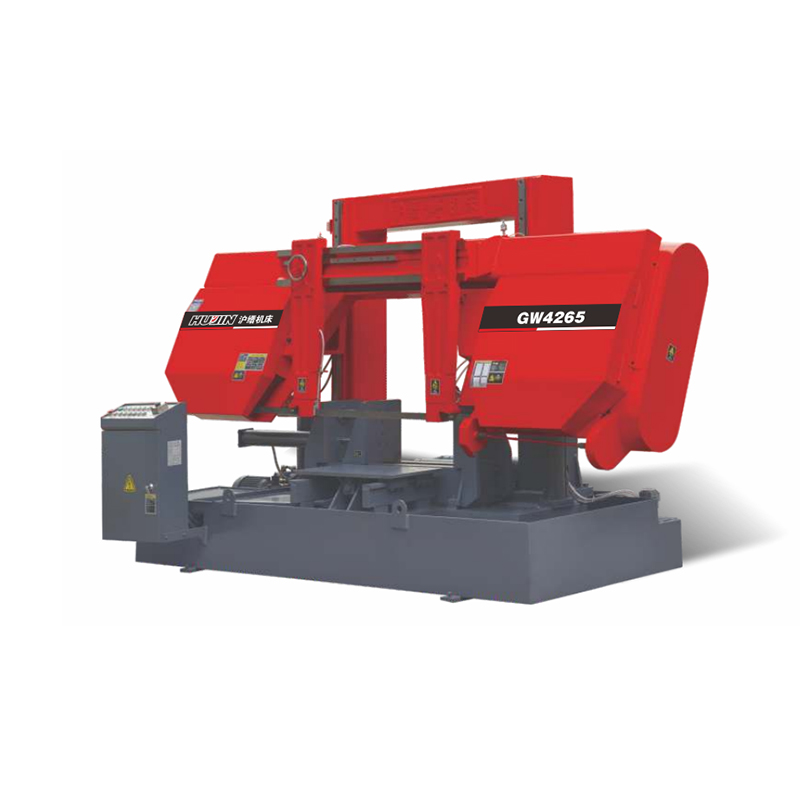
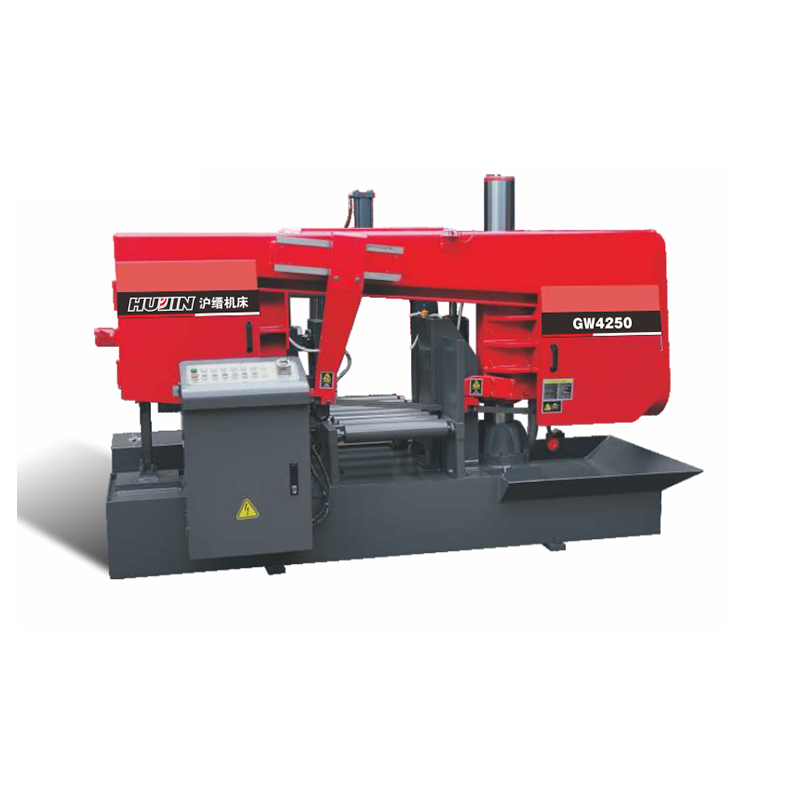
Zhejiang Hujin Machine Tool Co., Ltd. is a professional manufacturer specializing in the production of "Hurein" series hydraulic presses, band saws and milling machines.
Contact Information
phone: +86-18805885558
+86-13395785558
Email: hujin@chinahujin.cn
Add: No. 300, Xingda Road, Jinxiu Industrial Park, Huzhen Town, Jinyun County, Zhejiang Province, China 321404
Mobile Site
© 2023 Zhejiang Hujin Machine Tool Co., Ltd.
Automatic Band Saw Machine Manufacturer
