
Email: hujin@chinahujin.cn
 English
 русский
 عربى
عربى
Author: HUJIN
Date: Mar 13, 2026
Structural Design Importance in Large Workpiece Band Sawing
Stability Requirements for Heavy Workpieces
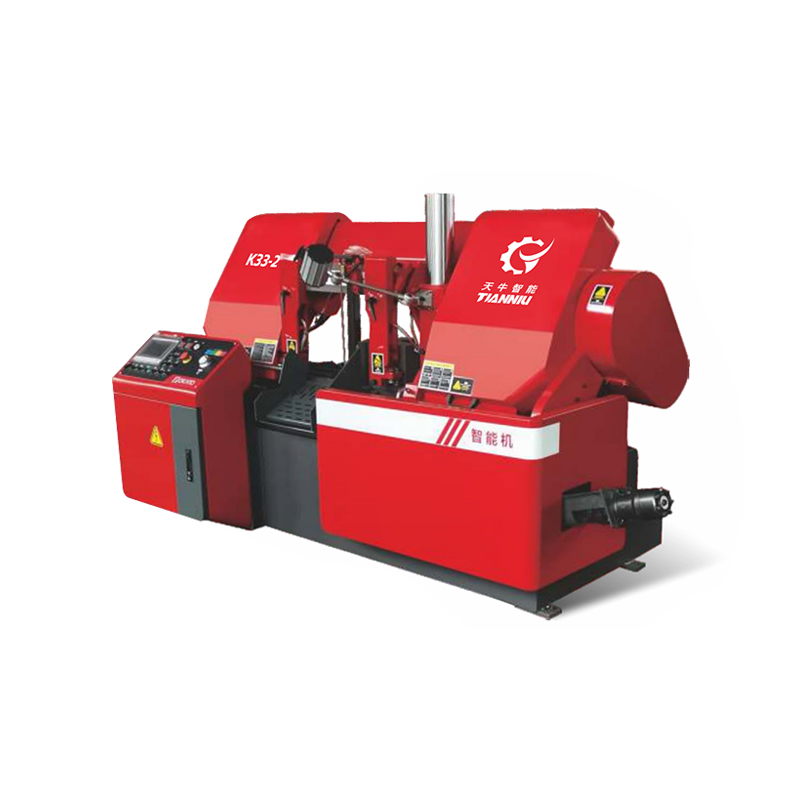
When cutting large and heavy materials, the structural design of a Semi-Automatic Band Saw plays a decisive role in ensuring operational stability. Large workpieces often produce uneven loading conditions and higher mechanical stress on the machine frame. A well-designed structure reduces vibration and maintains consistent blade contact with the material. Without sufficient rigidity, the cutting process may become unstable, causing inaccurate cuts and potential safety risks.
The base and frame must be engineered with reinforced steel or cast components to handle the increased weight of oversized materials. Structural stiffness ensures that the machine can maintain alignment during long cutting operations. In addition, the overall geometry of the machine determines how effectively cutting forces are distributed across the structure. Proper load distribution reduces deformation and extends the service life of the equipment.
Frame Strength and Machine Durability
Structural strength is essential when working with large workpieces because the machine must endure prolonged stress and heavy-duty operation. A high-quality Semi-Automatic Band Saw typically incorporates thick-walled frames and reinforced joints to prevent distortion over time. If the structure is weak, repeated cutting cycles may gradually reduce precision and reliability.
Durability is closely linked to the selection of materials used in the machine construction. Heavy-duty steel frames and precision-machined components allow the equipment to maintain performance even under demanding conditions. A robust structure also helps reduce maintenance frequency and operational downtime, which is particularly important in industrial environments where efficiency is critical.
Cutting Accuracy and Structural Precision
Precision cutting is another area where structural design becomes extremely important. When dealing with large workpieces, even minor structural deflection can cause significant dimensional errors. A well-engineered machine structure maintains blade alignment and ensures straight cuts across long material sections.
The guide arm, blade tension system, and saw bow must be designed to maintain consistent positioning throughout the cutting process. Structural accuracy allows operators to achieve reliable results without constant adjustments. This is especially important in industries where tight tolerances are required, such as metal fabrication and machinery manufacturing.
Vibration Control and Operational Smoothness
Large materials tend to generate stronger cutting resistance, which increases the likelihood of vibration. Structural design directly affects how effectively vibrations are absorbed or reduced. A rigid and balanced structure allows smoother cutting and reduces stress on the saw blade.
Effective vibration control improves blade life and cutting quality. When the structure absorbs excessive vibration, the blade remains stable and produces cleaner cuts. Reduced vibration also enhances operator comfort and improves overall safety. Machines with optimized structural designs can maintain smooth operation even during continuous cutting tasks.
Safety and Operational Reliability
Safety considerations are closely related to structural integrity when cutting large workpieces. A stable and well-designed machine reduces the risk of unexpected movement or mechanical failure. Heavy materials require secure clamping and stable support systems that are integrated into the machine structure.
Reliable structural design ensures that all mechanical components work together safely. The feeding mechanism and clamping system must be properly supported by the machine frame to prevent shifting during operation. Consistent structural performance gives operators greater confidence when handling oversized materials.

CONTACT
Get in touch
Related Products
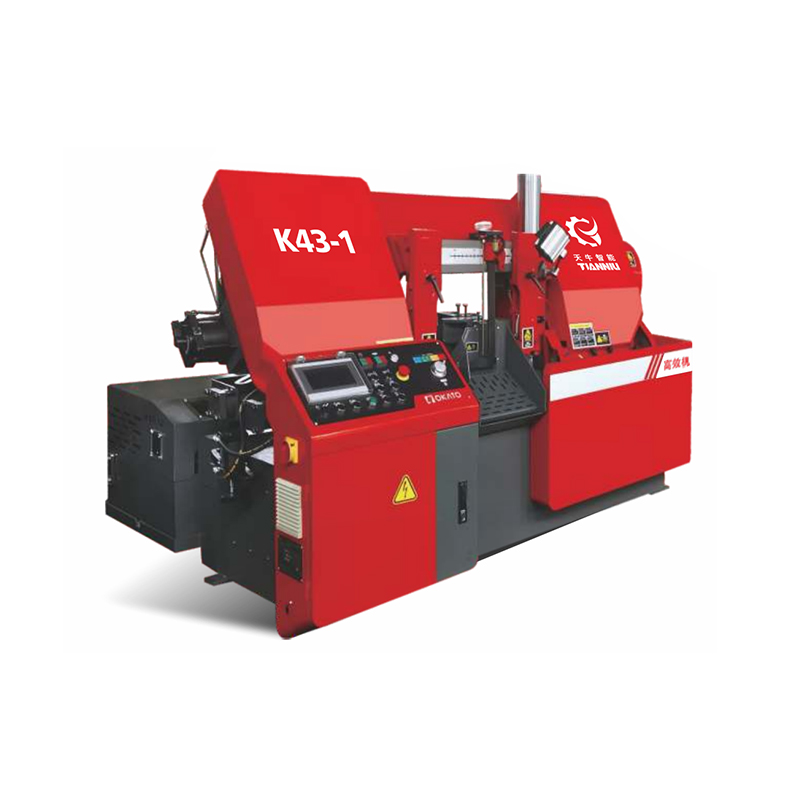
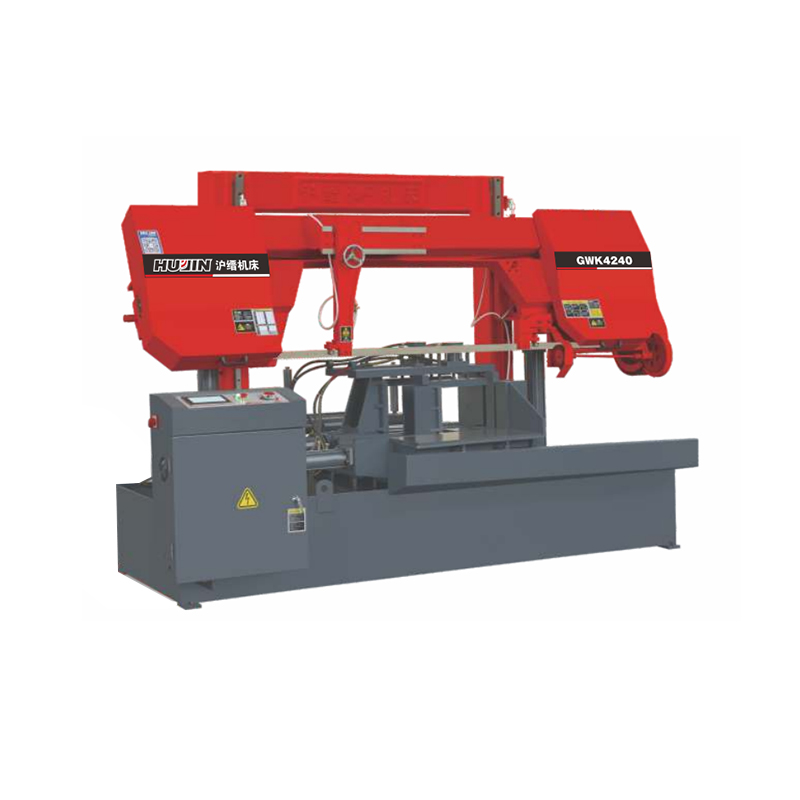
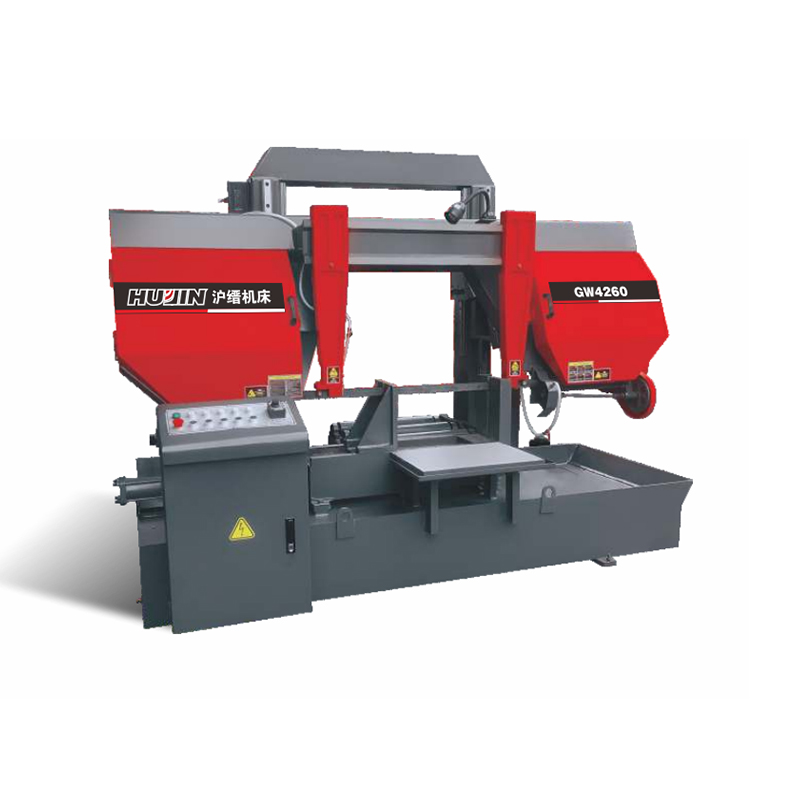
Zhejiang Hujin Machine Tool Co., Ltd. is a professional manufacturer specializing in the production of "Hurein" series hydraulic presses, band saws and milling machines.
Contact Information
phone: +86-18805885558
+86-13395785558
Email: hujin@chinahujin.cn
Add: No. 300, Xingda Road, Jinxiu Industrial Park, Huzhen Town, Jinyun County, Zhejiang Province, China 321404
Mobile Site
© 2023 Zhejiang Hujin Machine Tool Co., Ltd.
Automatic Band Saw Machine Manufacturer
