
Email: hujin@chinahujin.cn
 English
 русский
 عربى
عربى
Author: HUJIN
Date: Feb 13, 2026
Differences Between Semi-Automatic And Fully Automatic Band Saw
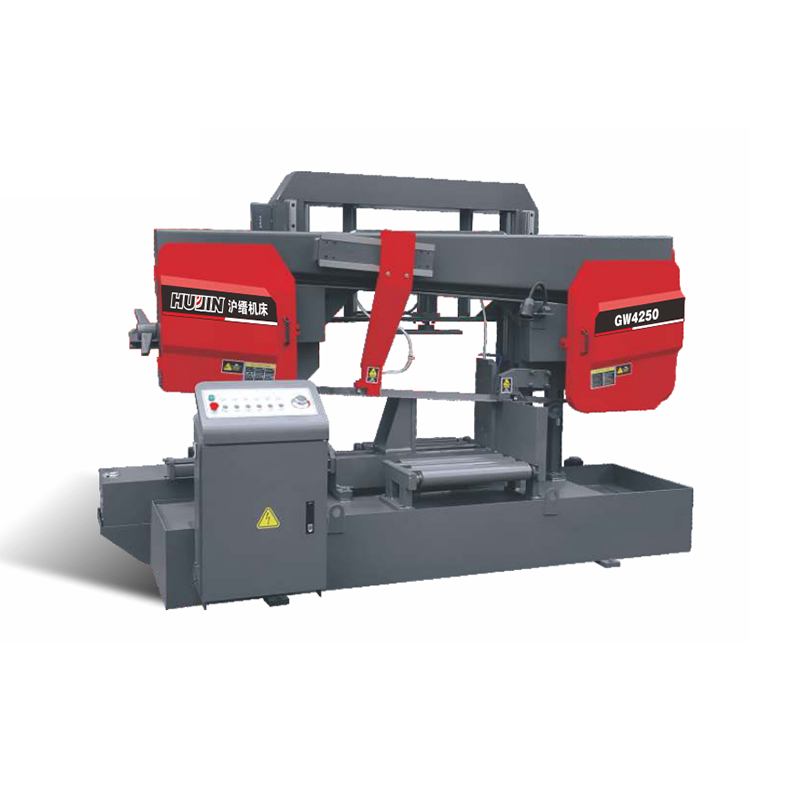
A Semi-Automatic Band Saw is a versatile cutting tool widely used in metalworking and woodworking industries. It offers a balance between manual operation and automated functions, allowing operators to control certain aspects of the cutting process while benefiting from mechanized movement. In contrast, a fully automatic band saw provides more comprehensive automation, requiring minimal human intervention. Understanding the key differences between these two types of machines is essential for selecting the right equipment for production efficiency, precision, and budget considerations.
Operation and Automation Level
The difference between a Semi-Automatic Band Saw and a fully automatic band saw is the level of automation. A Semi-Automatic Band Saw requires the operator to manually position the material and initiate the cutting cycle, although the blade movement and feed may be automated. This level of control allows for flexibility in handling different material sizes and custom cutting angles. On the other hand, fully automatic band saws feature automated material feeding, cutting, and sometimes even unloading. This reduces human involvement, increases productivity, and is ideal for high-volume operations where repetitive cuts are required.
Cutting Speed and Efficiency
Cutting speed and overall efficiency are significantly affected by the automation level. A fully automatic band saw can maintain a consistent cutting rhythm, reducing cycle time and reducing operator fatigue. In contrast, a Semi-Automatic Band Saw may be slower due to manual setup and operator intervention between cuts. However, for small-scale production or custom projects, the semi-automatic version provides adequate speed while offering greater control over complex or non-standard cuts. Efficiency in both types depends on blade quality, motor power, and material characteristics, but automation tends to favor fully automatic machines in large-scale operations.
Precision and Control
Precision and control are also key factors in differentiating the two saw types. Semi-Automatic Band Saws allow the operator to adjust the cutting speed, blade tension, and feed rate more directly, which can result in more precise cuts for irregular or delicate materials. Fully automatic band saws are programmed for uniform cuts, which is beneficial for standard-length production runs but may lack the same level of adaptability for unusual materials or custom shapes. Therefore, the choice between the two often depends on whether flexibility or repeatable precision is the priority.
Cost and Maintenance Considerations
Cost is another significant difference. Semi-Automatic Band Saws generally have a lower upfront cost and simpler mechanical structure, making them more accessible to small workshops or startups. Maintenance is often easier, as fewer automated components can fail. Fully automatic machines, while more expensive, reduce labor costs and increase throughput, but they may require more specialized maintenance and occasional software calibration to ensure consistent performance.
Application and Suitability
Semi-Automatic Band Saws are ideal for workshops that require versatility and occasional manual intervention, such as small fabrication shops or custom metalworking tasks. Fully automatic band saws are better suited for industrial settings with high production volumes, standardized materials, and a need for efficiency. Understanding production goals, material types, and available labor resources is essential for selecting the appropriate machine.
A Semi-Automatic Band Saw and a fully automatic band saw differ primarily in automation level, cutting efficiency, precision, cost, and suitability for various applications. Semi-automatic machines provide flexibility and operator control, while fully automatic machines excel in high-volume, repetitive production tasks. Evaluating workflow requirements, material types, and budget considerations ensures that businesses choose the band saw that aligns with their operational needs.

CONTACT
Get in touch
Related Products
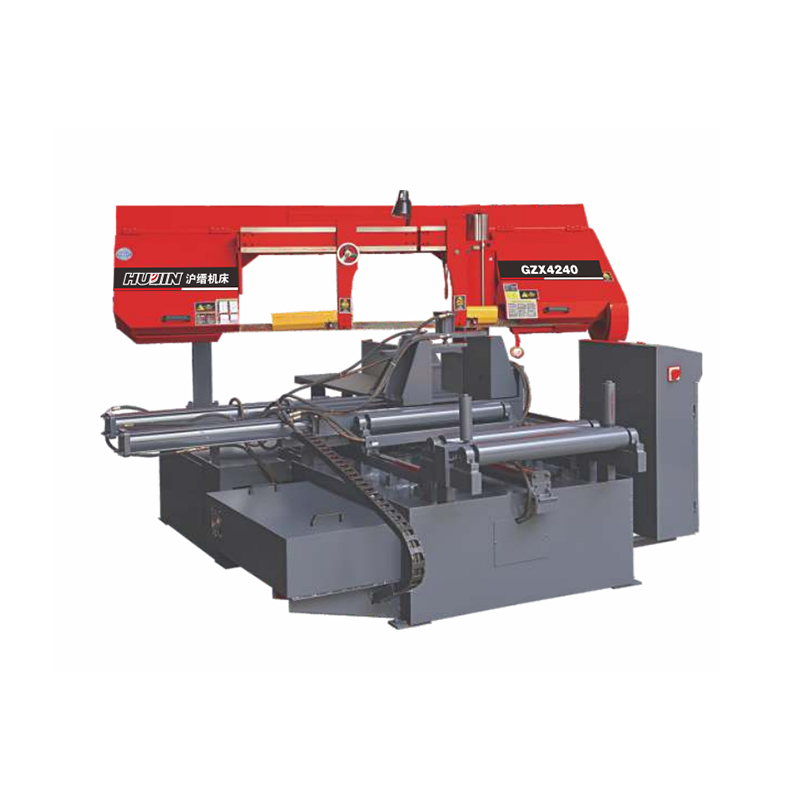
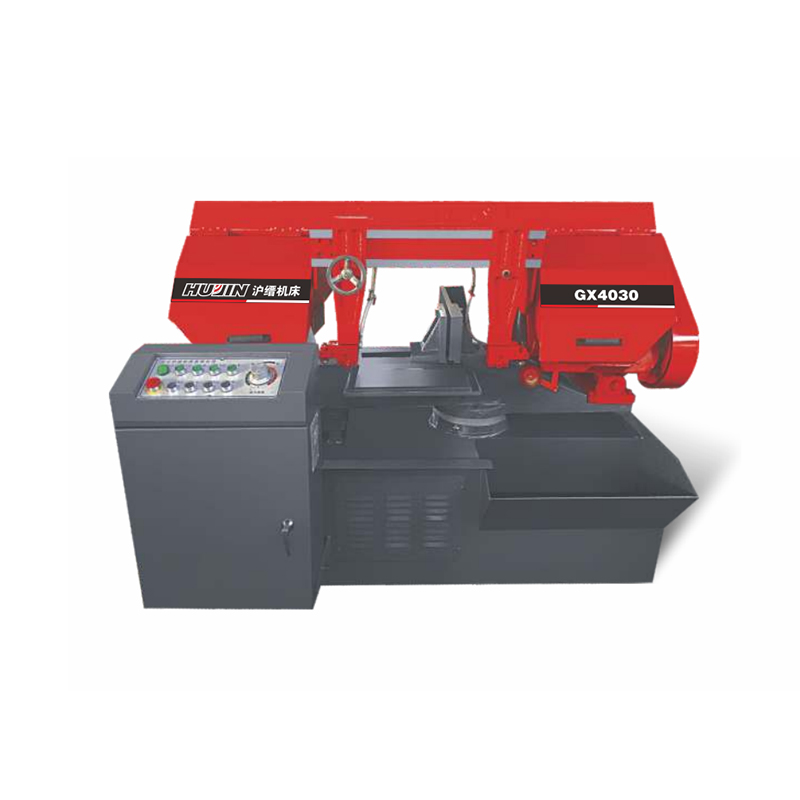
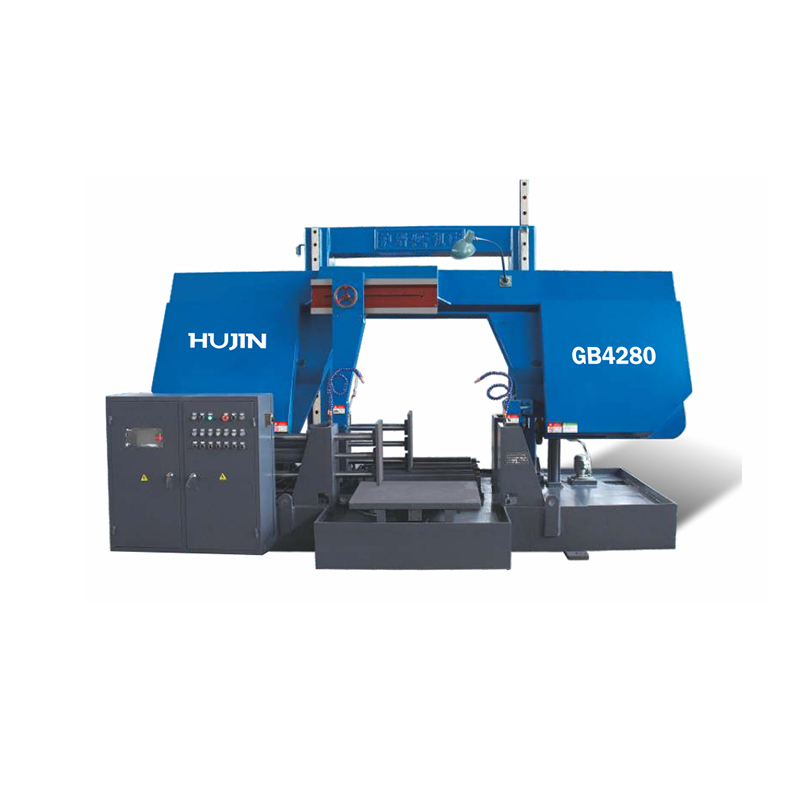
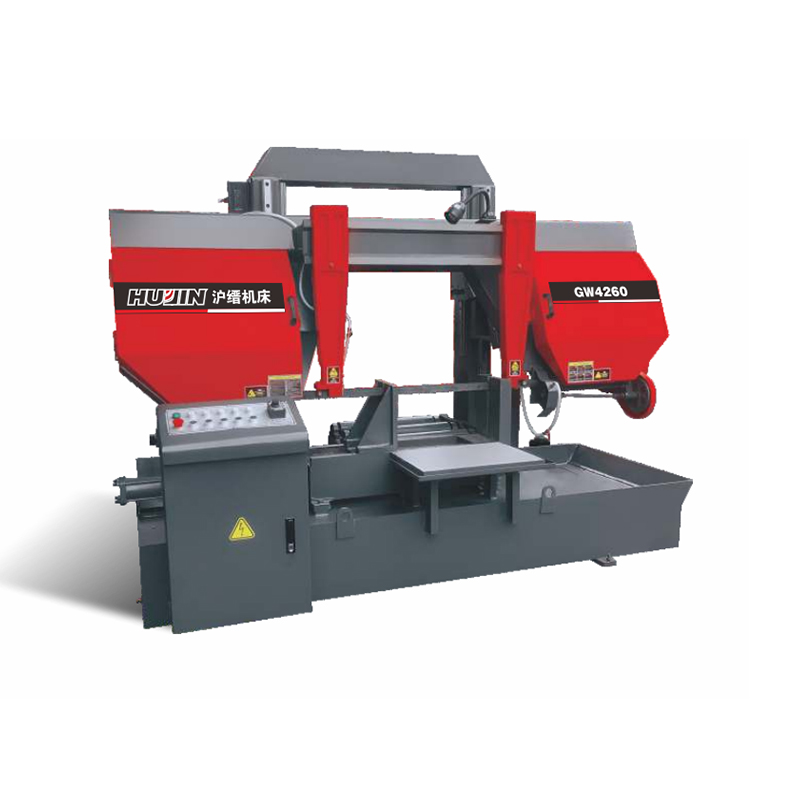
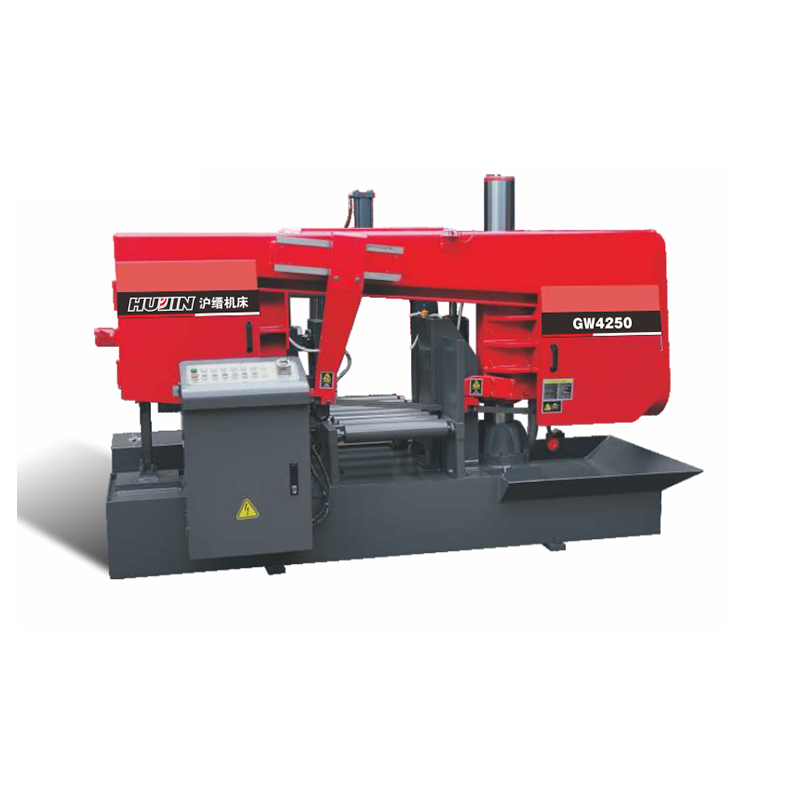
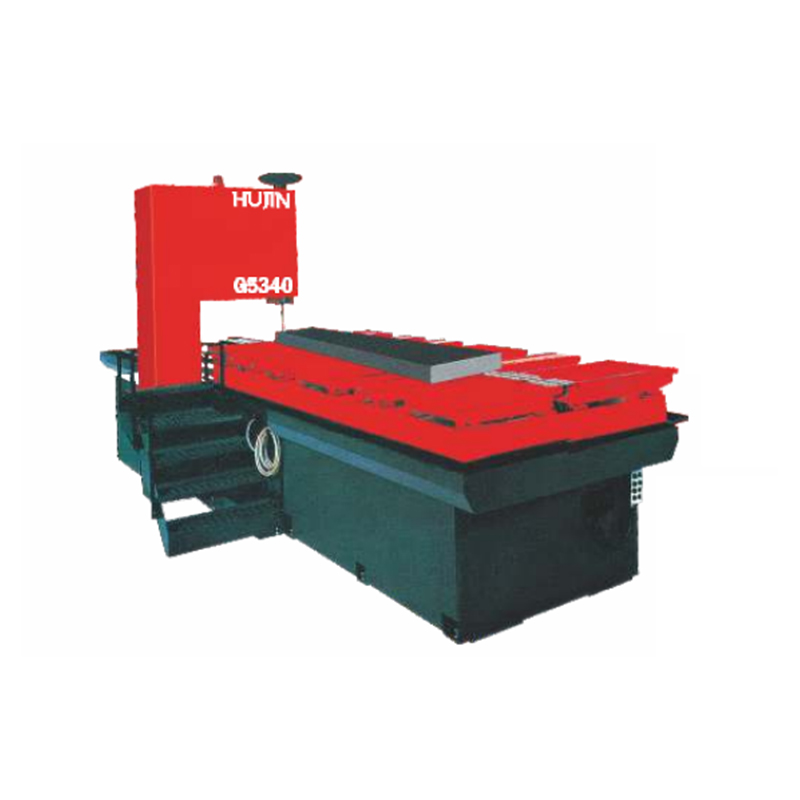
Zhejiang Hujin Machine Tool Co., Ltd. is a professional manufacturer specializing in the production of "Hurein" series hydraulic presses, band saws and milling machines.
Contact Information
phone: +86-18805885558
+86-13395785558
Email: hujin@chinahujin.cn
Add: No. 300, Xingda Road, Jinxiu Industrial Park, Huzhen Town, Jinyun County, Zhejiang Province, China 321404
Mobile Site
© 2023 Zhejiang Hujin Machine Tool Co., Ltd.
Automatic Band Saw Machine Manufacturer
