
Email: hujin@chinahujin.cn
 English
 русский
 عربى
عربى
Author: HUJIN
Date: Jan 02, 2026
Emergency Stop and Power-Off Protection in Scissor Band Saw
Overview of Scissor Band Saw Safety Mechanisms
A Scissor Band Saw is widely used in metalworking and fabrication workshops for its compact design and efficient cutting mechanism. When operating such machinery, emergency stop and power-off protection mechanisms are crucial for ensuring operator safety and preventing equipment damage. These mechanisms are integrated into the machine’s electrical and mechanical systems to quickly halt motion, cut power supply, and stabilize moving parts during unexpected situations. Understanding how these systems work helps users operate the machine with confidence and maintain a safe working environment.
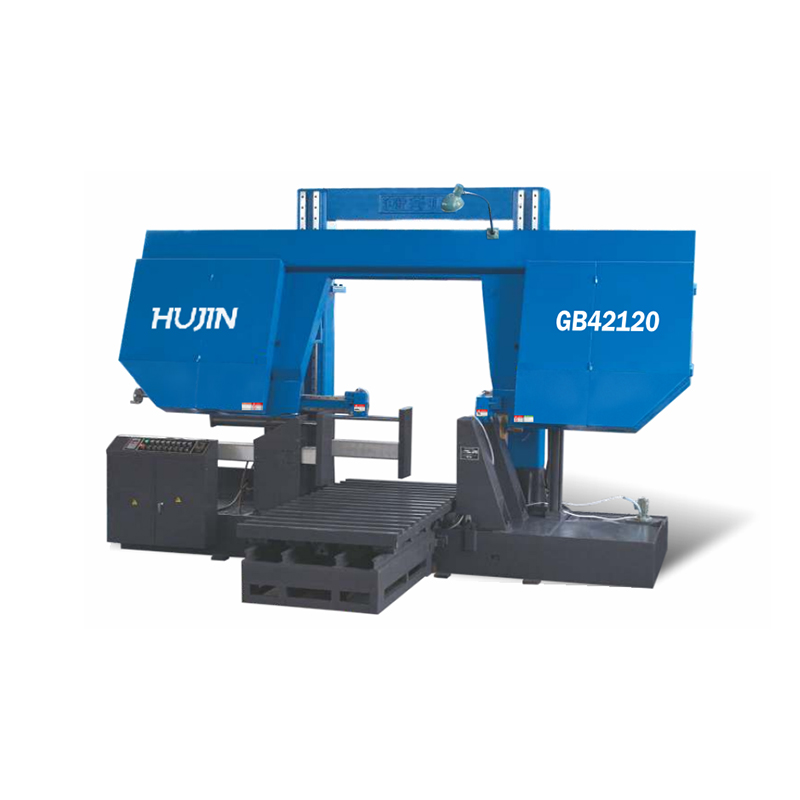
Emergency Stop Button Functionality
The emergency stop button is the primary safety control on a Scissor Band Saw. Typically positioned in an easily accessible location, it allows the operator to cut power instantly with a single press. When activated, the button interrupts the electrical circuit that powers the motor and hydraulic components, bringing the blade movement to an immediate stop. This rapid shutdown helps prevent accidents caused by blade jams, workpiece displacement, or sudden operator loss of control. After activation, the button usually locks in place and must be manually reset to restart the machine, ensuring deliberate and controlled recovery.
Power-Off Protection System
Power-off protection ensures the machine stops safely during unexpected electrical failures, such as voltage drops or sudden outages. When power is lost, the Scissor Band Saw’s motor control system disengages automatically, preventing the machine from restarting abruptly once power is restored. This feature protects operators from accidental blade movement and prevents damage to internal components caused by uncontrolled startup. The system typically uses contactor circuits or programmable logic controllers that detect incoming voltage stability before allowing the machine to resume operation.
Motor Braking Mechanism
To support emergency stopping, many Scissor Band Saws include an electric or mechanical braking system. Electric brakes reverse motor polarity briefly to counteract rotational momentum, allowing the blade to stop more quickly than natural deceleration. Mechanical brakes may apply a friction pad to the motor shaft, ensuring immediate halting of motion. This braking capability is particularly important when cutting dense metals, where blade inertia is higher. Rapid blade stoppage helps avoid hazardous situations where the operator loses control or the workpiece becomes unstable.
Blade Guard and Safety Interlocks
Safety interlocks work alongside emergency stop mechanisms to prevent operation under unsafe conditions. For example, the blade guard may be equipped with a sensor that disables motor activation if the guard is open or improperly positioned. Similarly, door-mounted interlocks on the cutting area prevent the blade from running when the enclosure is open. These protective systems reduce the risk of accidental contact with the moving blade, especially during maintenance, blade replacement, or cleaning procedures.
Overload and Thermal Protection
During heavy-duty cutting operations, motors and electrical circuits may experience excessive load. Overload protection sensors monitor current flow and automatically shut down the machine if the motor is strained beyond safe limits. Thermal protection devices also detect overheating and interrupt the circuit to prevent motor burnout. Combined, these systems help maintain operational reliability while ensuring the safety of both the operator and the equipment.
Emergency stop and power-off protection mechanisms in a Scissor Band Saw form a comprehensive safety framework designed to prevent accidents and ensure stable machine operation. From fast-acting emergency stop buttons to power-off recovery systems, braking mechanisms, interlocks, and overload protection, each component plays a crucial role in reducing risk. By understanding how these systems work and ensuring they remain well-maintained, operators can rely on consistent safety performance even in unexpected situations. This layered protection architecture not only enhances operator confidence but also contributes to long-term equipment durability and workplace safety.

CONTACT
Get in touch
Related Products
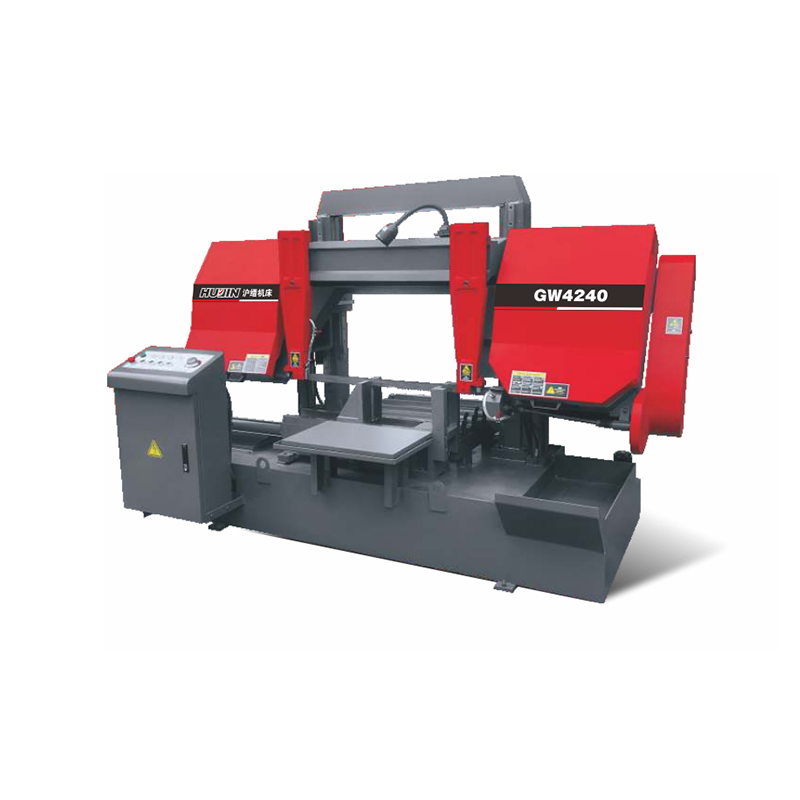
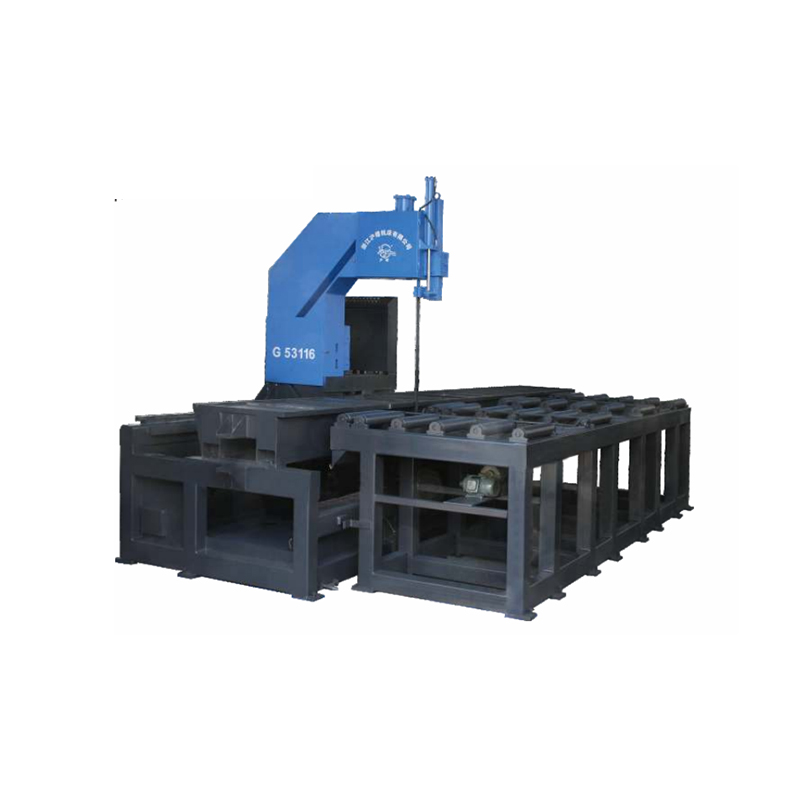
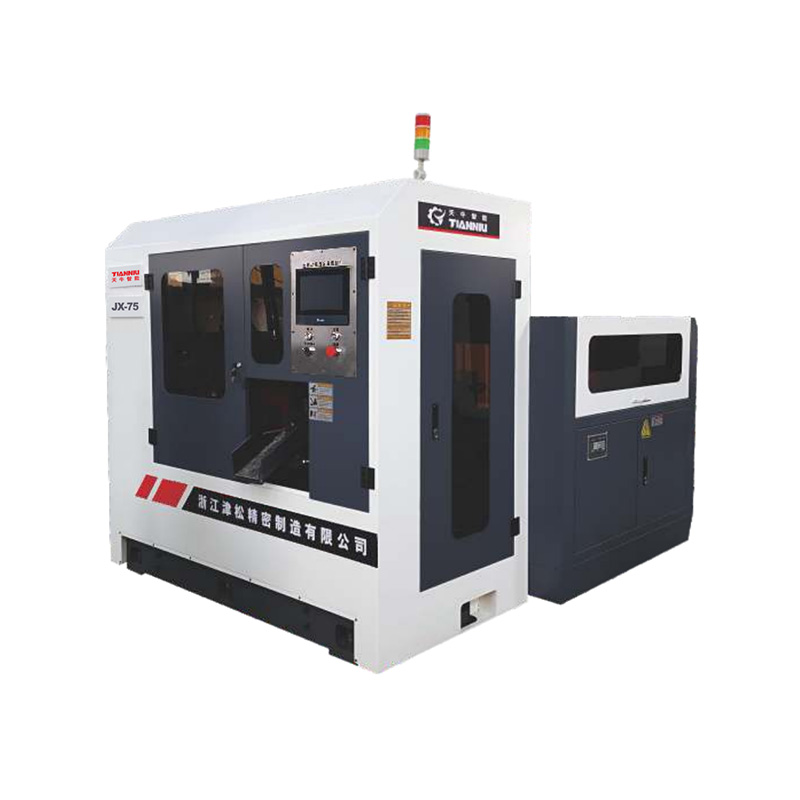
Zhejiang Hujin Machine Tool Co., Ltd. is a professional manufacturer specializing in the production of "Hurein" series hydraulic presses, band saws and milling machines.
Contact Information
phone: +86-18805885558
+86-13395785558
Email: hujin@chinahujin.cn
Add: No. 300, Xingda Road, Jinxiu Industrial Park, Huzhen Town, Jinyun County, Zhejiang Province, China 321404
Mobile Site
© 2023 Zhejiang Hujin Machine Tool Co., Ltd.
Automatic Band Saw Machine Manufacturer
