
Email: hujin@chinahujin.cn
 English
 русский
 عربى
عربى
Author: HUJIN
Date: Jan 16, 2026
Safe Operation Practices for Circular and Band Saw Machines
Understanding Risks of Kickback and Blade Injuries
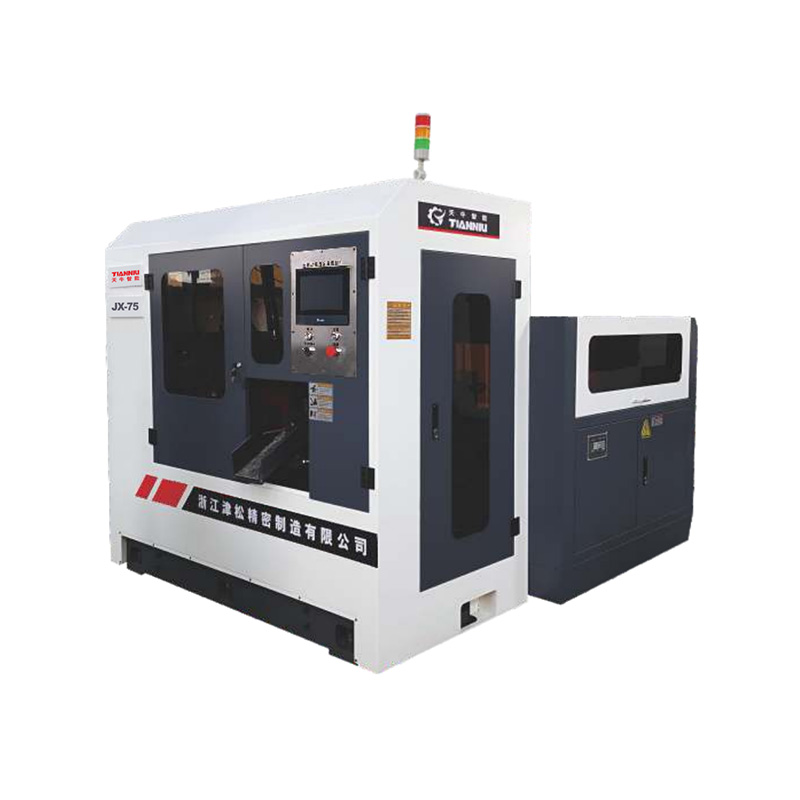
A Circular Saw With Band Saw combines the cutting capabilities of both circular and band saw mechanisms, offering versatility for wood, metal, and composite materials. While this combination enhances productivity, it also introduces specific safety risks. Kickback, the sudden backward movement of the workpiece, and direct blade contact are two of the common hazards. Kickback can occur when the material binds, twists, or moves unexpectedly during cutting, potentially causing the operator to lose control. Direct contact with spinning blades can result in severe lacerations or amputations. Awareness of these risks is the one step toward establishing safe operating habits.
Pre-Operational Inspection and Setup
Before using a Circular Saw or band Saw, a thorough inspection is essential. Check that all guards are in place, functioning, and properly adjusted. Inspect blades for sharpness, cracks, or damage, as dull or chipped blades increase the likelihood of binding and kickback. Ensure the work area is clean, free of obstructions, and well-lit. Verify that the machine is securely anchored to prevent movement during operation. Proper setup includes confirming correct blade alignment and height relative to the workpiece. Pre-operational preparation reduces unexpected hazards and contributes to consistent, safe cutting performance.
Correct Handling of the Workpiece
Proper handling of the material is critical for safety. The workpiece should be supported adequately on both sides of the blade to prevent tipping or movement. Never attempt to cut warped or unstable material without securing it. Maintain a firm, balanced stance with both hands on designated handles or push devices. Feeding material slowly and steadily into the blade allows controlled cutting and reduces stress on the saw. Avoid forcing the material, as excessive pressure can bind the blade and trigger sudden movement, causing kickback.
Using Safety Guards and Push Devices
Safety guards are designed to reduce direct exposure to spinning blades. Keep all guards in position and avoid bypassing or removing them. Use push sticks or push blocks when feeding small or narrow pieces into the saw, maintaining a safe distance between your hands and the cutting edge. On band saw operations, ensure that the blade guides are properly adjusted to reduce blade deflection. Consistent use of guards and push devices significantly reduces the risk of hand injuries and accidental contact with moving parts.
Maintaining Blade Tension and Speed
Blade tension and rotational speed directly affect cutting stability and safety. On a Circular Saw or band Saw, incorrect tension on the band saw blade can cause wandering, binding, or sudden movement of the workpiece. Circular saw blades spinning too quickly or too slowly may also increase the risk of kickback. Always follow manufacturer recommendations for blade tension, alignment, and operating speed. Regular adjustments ensure smooth cuts and reduce the likelihood of hazardous incidents.
Regular Maintenance and Training
Consistent maintenance is key to preventing dangerous situations. Lubricate moving parts, check for worn bearings, and replace damaged blades immediately. Operators should receive training specific to both circular and band saw functions, understanding differences in cutting dynamics and hazards. Knowledgeable users are better equipped to recognize warning signs and respond appropriately, reducing the risk of injury.
Combining Technique and Precaution
Safe operation of a Circular Saw With a Band Saw depends on a combination of proper setup, correct material handling, functional safety guards, correct blade adjustment, and continuous operator vigilance. Following these practices reduces the risk of kickback and blade injuries, ensuring that the machine delivers both performance and safety in industrial or workshop environments. Consistent attention to detail, maintenance, and personal protective measures creates a safer and more productive cutting experience.

CONTACT
Get in touch
Related Products
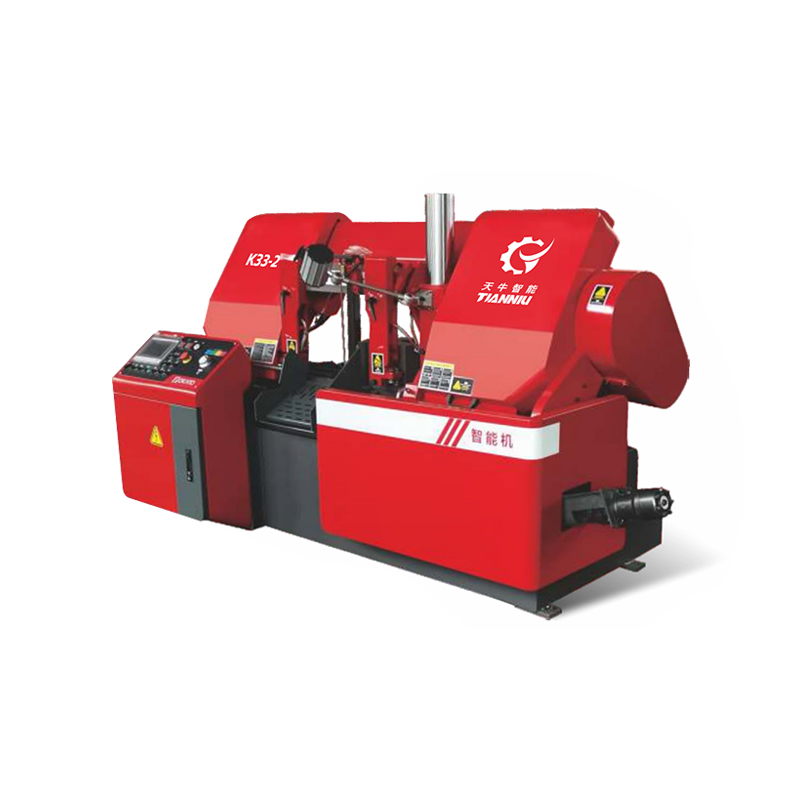
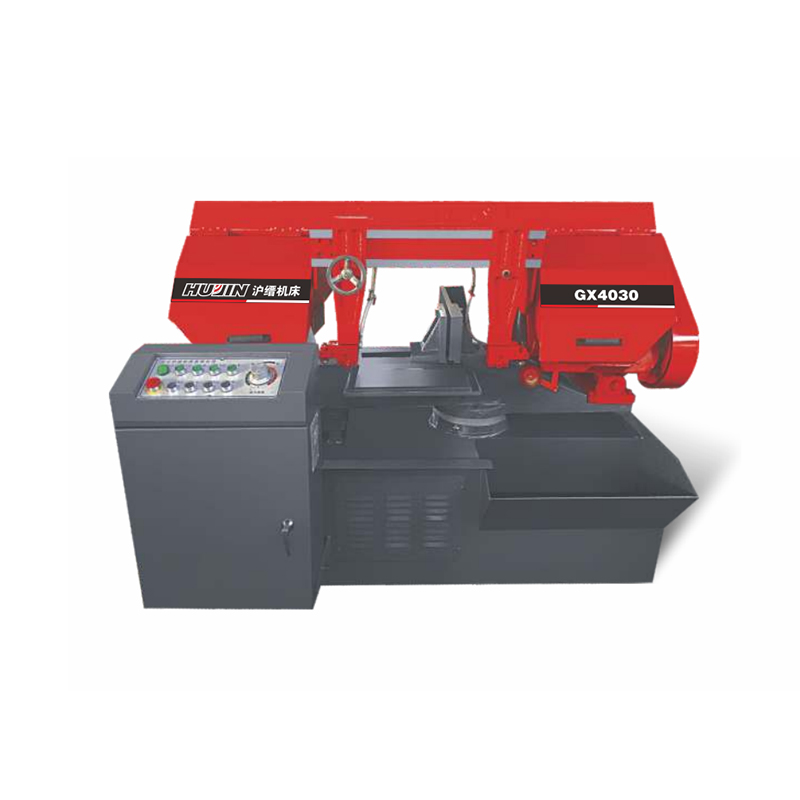
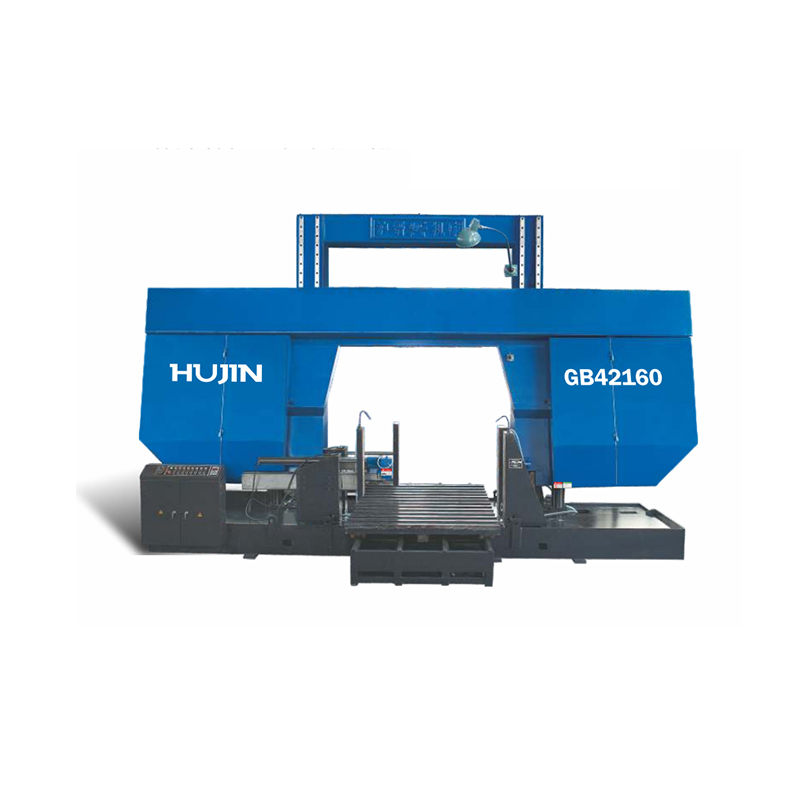
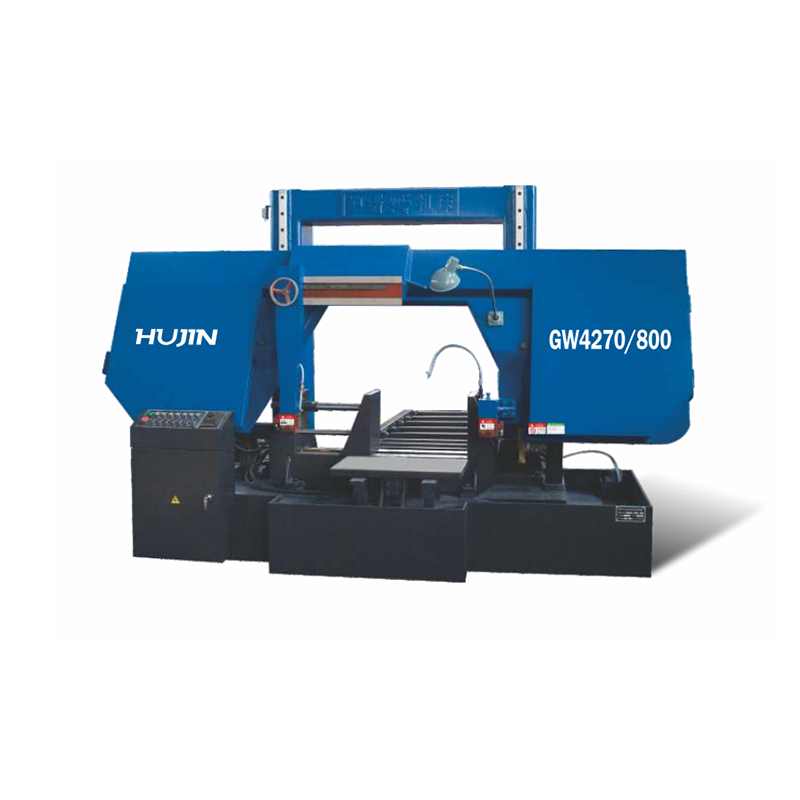
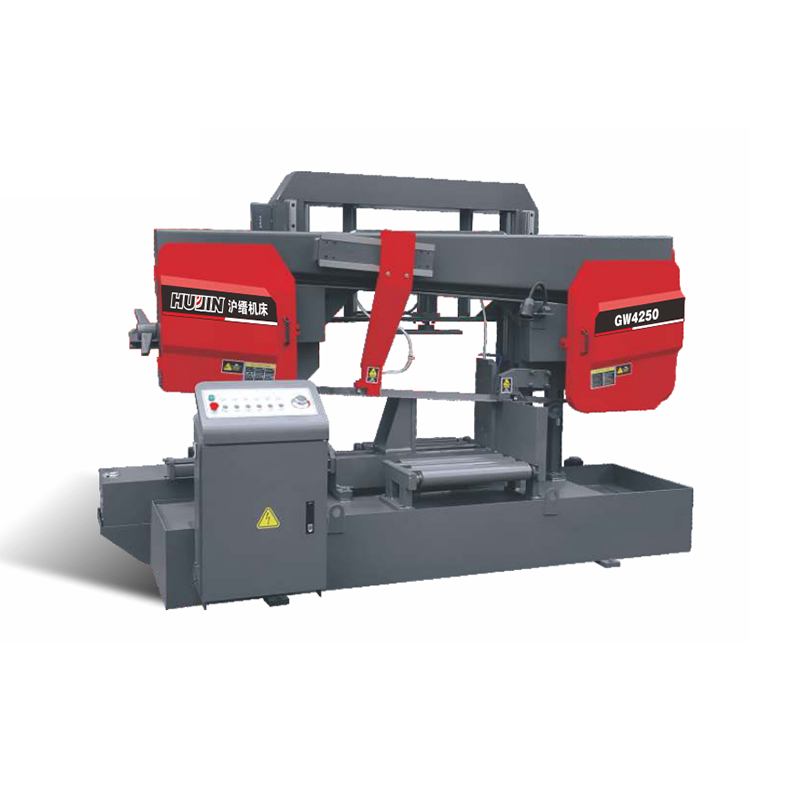
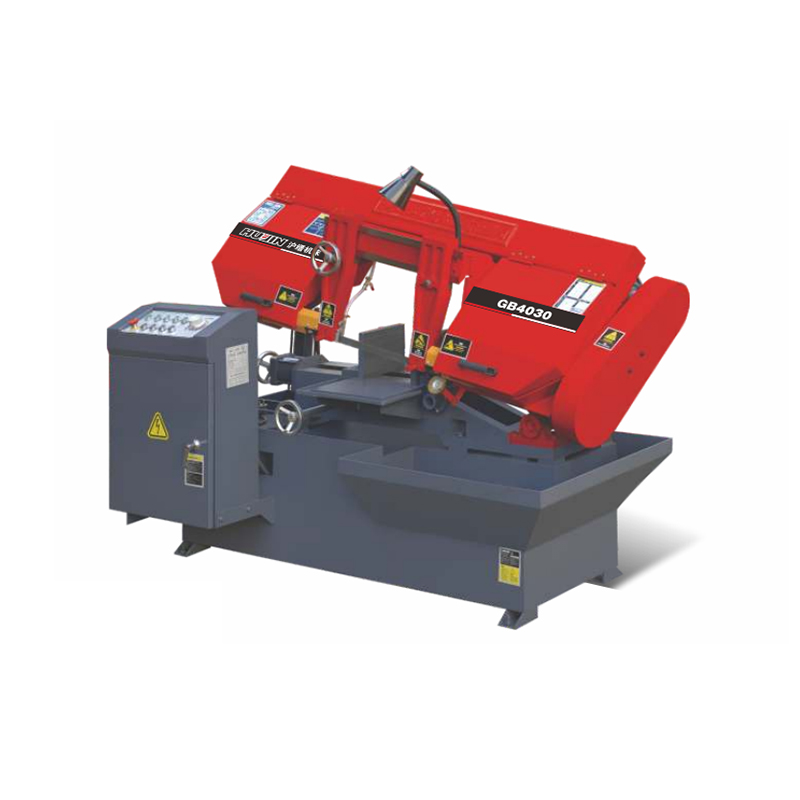
Zhejiang Hujin Machine Tool Co., Ltd. is a professional manufacturer specializing in the production of "Hurein" series hydraulic presses, band saws and milling machines.
Contact Information
phone: +86-18805885558
+86-13395785558
Email: hujin@chinahujin.cn
Add: No. 300, Xingda Road, Jinxiu Industrial Park, Huzhen Town, Jinyun County, Zhejiang Province, China 321404
Mobile Site
© 2023 Zhejiang Hujin Machine Tool Co., Ltd.
Automatic Band Saw Machine Manufacturer
